

Thermostat Installation in Eastvale, CA

Eastvale thermostat installation services guide homeowners through a full process from pre-installation assessment to post-install testing. A professional assesses equipment type, wiring, C-wire availability, and control needs to determine compatible digital, programmable, or smart models. Technicians handle safe wiring, mounting, and, for line-voltage systems, electrician involvement. After installation, there is testing of heat, cool, and fan functions, calibration with accurate ambient readings, and Wi-Fi/app integration verification. Warranties, labor coverage, and ongoing support are outlined, with scheduling considerations and care tips.
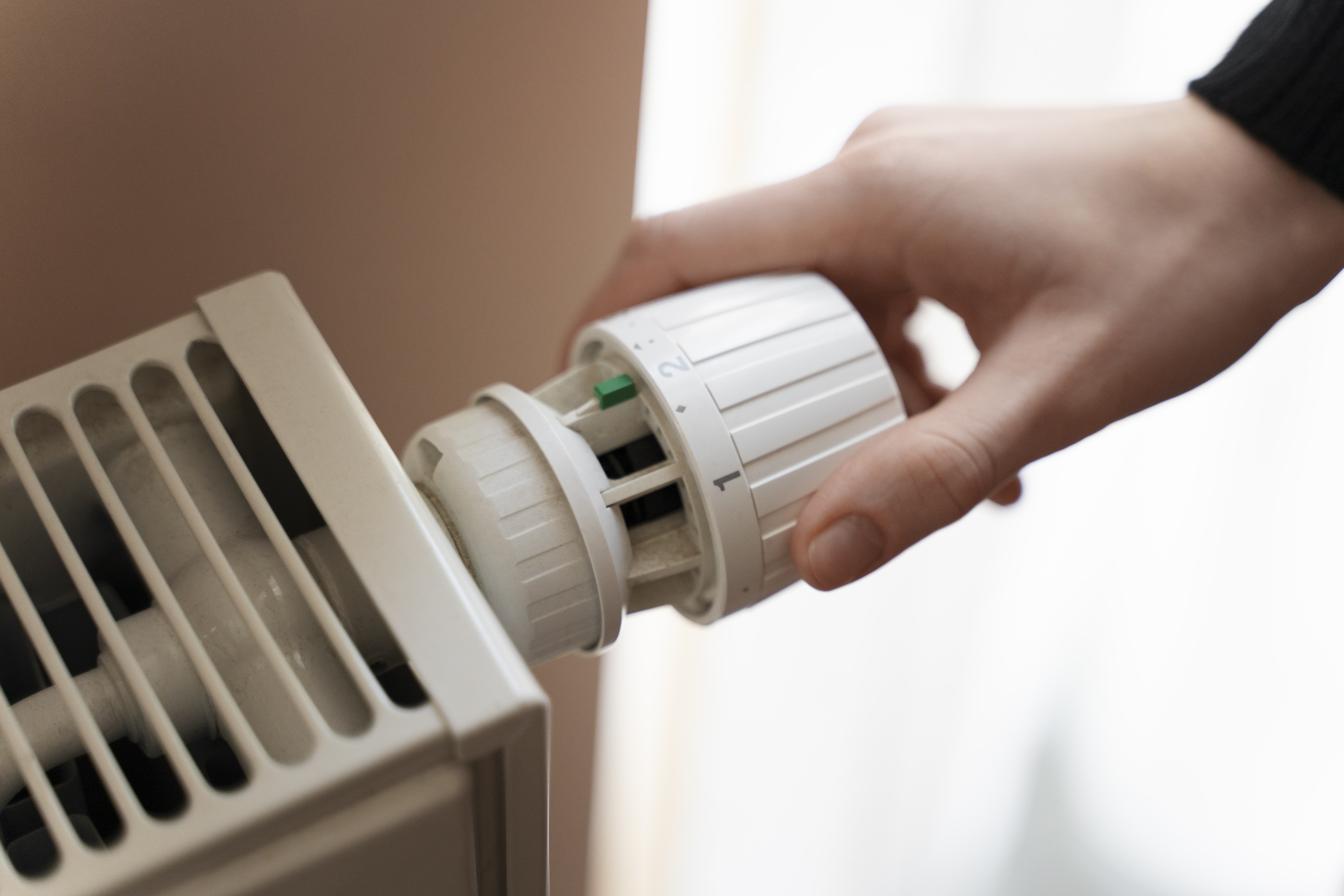
Thermostat Installation in Eastvale, CA
Upgrading or replacing a thermostat is one of the fastest ways to improve comfort and lower energy costs in Eastvale, CA homes. With long, hot summers and frequent reliance on air conditioning, choosing the right thermostat and having it installed correctly ensures reliable temperature control, better energy management during peak cooling hours, and proper interaction with existing HVAC equipment. This page explains the full thermostat installation process for Eastvale residents, including pre-installation consultation, compatible models, wiring and mounting procedures, post-installation testing and calibration, warranty and support expectations, and what to expect when scheduling a professional install.
Common thermostat installation needs in Eastvale
- Replacement of a failing or outdated thermostat with a digital or smart model
- Smart thermostat upgrades for energy savings and remote control
- Heat pump and multi-stage system compatibility for modern HVAC systems
- Installation where a C-wire is missing or where an adapter is required
- New construction or finished remodel wiring and mounting
- Zoning control and multi-thermostat setups for larger homes
Many Eastvale homes see heavy cooling loads during summer afternoons. Upgrading to a compatible, programmable, or smart thermostat helps reduce runtime during peak hours and improves comfort without manual adjustments.
Pre-installation consultation: what gets assessed
A professional pre-installation consultation clarifies system compatibility and scope before any work begins. Typical assessment items:
- Identify HVAC equipment type: single-stage furnace, multi-stage gas or electric heat, heat pump, or package unit.
- Verify thermostat wiring at the existing thermostat and at the air handler control board to confirm presence or absence of a C-wire.
- Evaluate control needs: basic scheduling, humidity control, multi-stage staging, or integration with whole-home ventilation.
- Recommend thermostat models that match system requirements, homeowner preferences, and energy goals.
- Determine whether additional parts, like a C-wire adapter, mounting plate, or control relays, are required.
- Note optimal thermostat location to avoid direct sun, drafts, kitchen heat, or garage influences.
This step avoids surprises on install day and ensures the chosen thermostat will communicate correctly with the HVAC equipment.
Compatible thermostat models and selection guidance
Thermostat options vary by features and system compatibility. Important choices for Eastvale homes include:
- Basic digital thermostats: reliable and budget friendly for simple single-stage systems.
- Programmable thermostats: allow preset schedules to reduce cooling when no one is home.
- Smart Wi-Fi thermostats: remote control, learning algorithms, and energy reports useful for managing high cooling demand.
- Heat pump specific thermostats: support reversing valve and auxiliary heat settings.
- 24 volt vs line voltage models: most residential HVAC systems use 24V control; electric baseboard systems require line voltage thermostats and a different installation approach.
Key selection considerations:
- Confirm C-wire availability for smart thermostats; without a C-wire, battery-powered options or a power extender kit may be needed.
- Choose models that support multi-stage heating and cooling if your system has stages.
- For energy savings, prefer thermostats with adaptive recovery, geofencing, or scheduling features to avoid running AC during peak rate periods.
- If indoor air quality or humidity control is important during warm months, choose thermostats with humidity monitoring or integration capability.
Wiring and mounting procedures
Professional installation follows safe, code-compliant procedures to ensure long-term reliability:
- Power is turned off at the air handler or breaker before removing the old thermostat.
- Labels or photos are taken of existing wires to map connections and preserve configuration.
- Wires are verified with a meter; continuity and voltage checks confirm the right terminals.
- If a C-wire is missing, options include running a new C-wire, installing a power adapter, or using a compatible thermostat designed to work without a C-wire.
- The thermostat is mounted level and secured to a wall plate; location recommendations avoid heat sinks or sun exposure to prevent false readings.
- For line voltage systems, a qualified electrician is required to handle the higher voltages and potential rewiring.
Correct wiring and secure mounting are essential to prevent short cycling, false temperature readings, and communication errors.
Testing and calibration steps after installation
A thorough post-installation check verifies correct operation and system safety:
- Confirm thermostat can call for heat, cooling, and fan functions and that the air handler responds properly.
- Verify stages of heating and cooling engage correctly on multi-stage systems.
- Test heat pump reversing valve and emergency heat functions on heat pump installations.
- Use an independent thermometer to compare ambient readings and calibrate the thermostat if necessary.
- Validate Wi-Fi connection, app control, schedules, and any third-party integrations like smart home platforms.
- Run a short system cycle and listen for unusual noises or short cycling that could indicate wiring issues or improper configuration.
- Document settings and explain optimal schedule recommendations for Eastvale climate patterns.
Proper testing prevents callbacks and ensures efficient operation during high-demand periods.
Warranty and support
Most installations include a combination of manufacturer warranties for the thermostat and installer-provided support for labor. Typical coverage elements:
- Manufacturer warranty for defects in parts and firmware support for smart thermostats.
- Labor warranty from the installer for workmanship and wiring for a defined period.
- Post-install support options may include troubleshooting, firmware updates, schedule optimization, and assistance with app setup.
When comparing installation options, confirm the length and scope of parts and labor coverage and what support is provided for network or app-related issues.
Scheduling and what to expect at an appointment
Scheduling a professional install generally follows predictable steps so homeowners know what to expect:
- Appointments are typically scheduled with a time window and technician arrival window.
- The homeowner may be asked to provide the current thermostat model photo and the HVAC equipment model to speed up pre-assessment.
- Installation time ranges from 30 minutes for a straightforward swap to up to two hours if new wiring, C-wire installation, or additional relays are required.
- Major changes such as running new home runs or electrical work may require additional time and local permitting if structural access or code updates are involved.
- After installation, the technician will demonstrate thermostat operation, review recommended schedules for Eastvale cooling patterns, and leave documentation on settings and warranties.
Benefits of professional installation and maintenance tips
Professional installation delivers accurate wiring, optimal thermostat placement, preserved warranties, and correct configuration for energy savings. To maintain performance in Eastvale:
- Replace HVAC filters regularly, especially during peak cooling seasons.
- Check thermostat schedules each season and update for occupancy and seasonal temperature changes.
- Keep the thermostat free from dust and avoid insulating it behind furniture or curtains.
- Ensure firmware and app updates are applied to smart thermostats for new features and security.
A properly selected and installed thermostat helps Eastvale homeowners balance comfort and efficiency through hot summer months while extending the life and performance of HVAC equipment.
Customer
Testimonials
Our customers consistently praise the exceptional service and professionalism of our team. They appreciate the honest advice, meticulous work, and the care taken to ensure their satisfaction.

.webp)
Service Areas
