

Thermostat Repair in Eastvale, CA

Eastvale thermostat repair specialists diagnose and fix common controls problems to restore comfort and energy efficiency. Technicians follow a structured workflow: visual inspection, power verification, wiring checks, control signal testing, and firmware review for smart units. They address no power, incorrect readings, failure to reach setpoint, short cycling, and connectivity issues with thermostats. Turnaround is usually same-day for simple fixes, with more complex repairs or C-wire installations taking a few hours to a few days. Preventive maintenance helps reduce future failures.
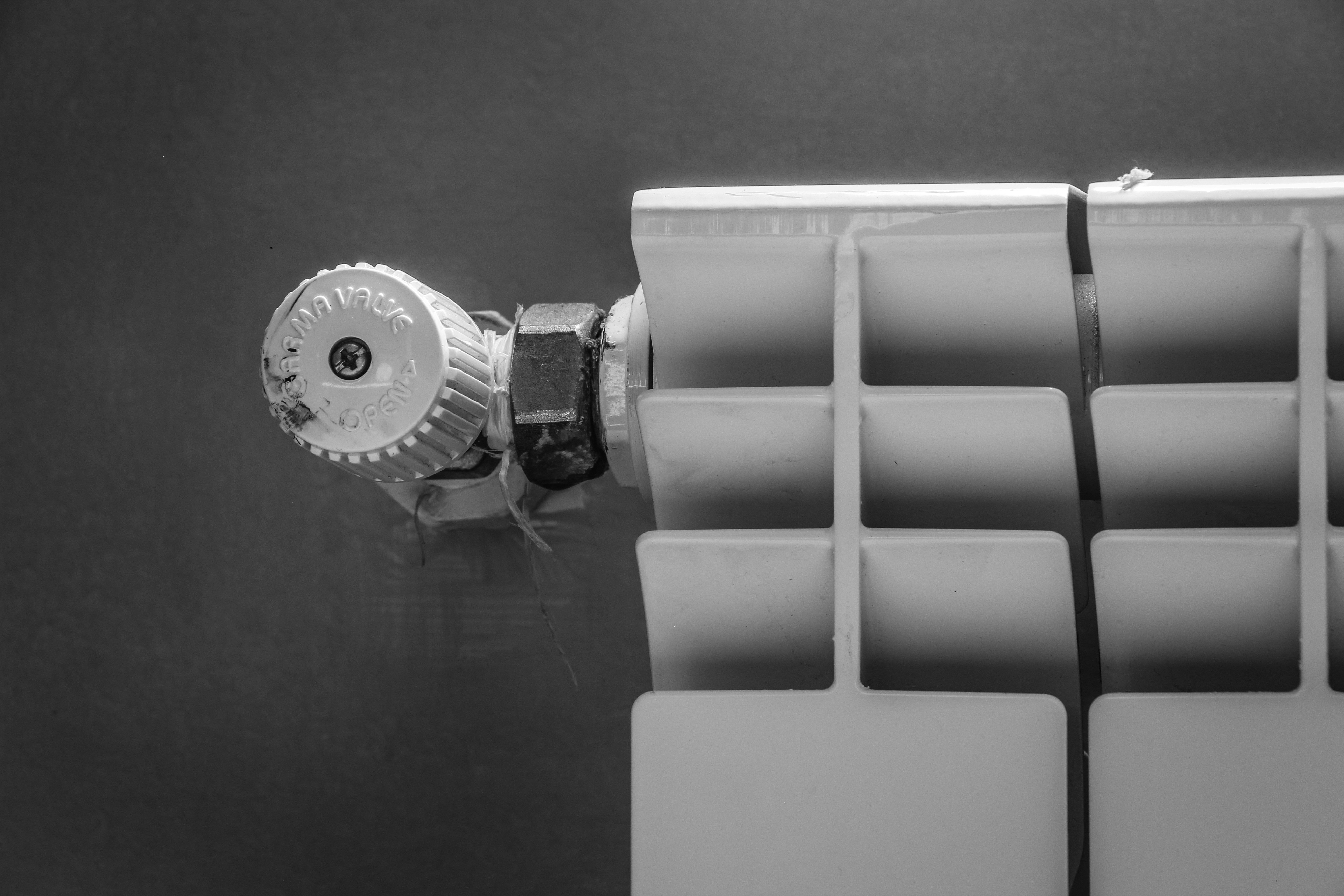
Thermostat Repair in Eastvale, CA
A malfunctioning thermostat disrupts comfort, raises utility bills, and can leave Eastvale homes vulnerable during hot Inland Empire summers. Whether your thermostat shows the wrong temperature, fails to power on, or causes your air conditioner or furnace to run continuously, timely thermostat repair in Eastvale, CA restores control and helps your HVAC system run efficiently. This page explains common thermostat problems in this area, how technicians diagnose and fix them, repair and replacement options, realistic turnaround expectations, temporary troubleshooting you can do now, and the service assurances typically offered.
Why thermostat issues matter in Eastvale
Eastvale’s hot summers and occasional temperature swings put heavy demand on cooling systems. Thermostats that misread indoor temperature or lose calibration force HVAC systems to cycle more frequently, increasing wear and energy use. Dust, sunlight on wall-mounted units, and wiring stress from frequent cycling are common regional contributors. Homeowners in newer planned communities may also have smart or Wi‑Fi thermostats that introduce compatibility and network issues that require different diagnostic steps than legacy mechanical controls.
Common thermostat issues in Eastvale homes
- No power to the thermostat: Blank display, unresponsive controls — often caused by dead batteries, tripped breakers, blown fuses, or a failed 24V transformer/RC (C) wire problem in systems with a common wire requirement.
- Incorrect temperature readings: Room reads hotter or cooler than actual room temperature due to poor placement (direct sunlight, near vents), sensor failure, or calibration drift.
- HVAC runs but does not reach setpoint: Thermostat commands HVAC to run but system never achieves desired temperature — could be a relay or control signal fault, or incorrect thermostat configuration (fan control, system type).
- Short cycling or continuous running: Frequent on/off cycles or nonstop operation often stem from stuck relays inside the thermostat, wiring shorts, or incorrect temperature differential settings.
- Intermittent operation or network/connectivity problems (smart thermostats): Wi‑Fi drops, app disconnects, or firmware issues that break remote control or scheduling.
- Wiring faults and loose terminals: Corroded, chewed, or loose wires cause intermittent faults and damage to thermostat terminals.
- Errors or diagnostic codes on smart thermostats: Misconfigured system type (heat pump vs. conventional) or incompatible accessories can generate codes that prevent normal operation.
How a technician diagnoses thermostat problems
Technicians follow a structured diagnostic workflow to pinpoint issues quickly and safely:
- Visual inspection: Check device condition, battery status, display errors, and placement relative to sunlight, doors, and vents.
- Power verification: Confirm 24V power from HVAC system or battery health; verify breaker and furnace/air handler power.
- Wiring and terminal check: Inspect wire continuity, proper labeling, and terminal tightness; look for corrosion or rodent damage common in attics and garages.
- Control signal testing: Use meter tests to verify that thermostat sends correct signals to the HVAC control board for heat, cool, fan, and compressor functions.
- Firmware and configuration review (smart thermostats): Verify system type, equipment settings, and Wi‑Fi connectivity; check for available firmware updates and compatibility notes.
- Functional testing: Run the system through heat and cool cycles to observe responses and confirm whether the thermostat or the HVAC equipment is at fault.
Typical repair and replacement options
- Battery and display repairs: Replacing batteries and recalibrating displays is a common, fast fix.
- Terminal tightening and wiring repair: Re-securing terminals, replacing damaged wire segments, and ensuring proper labeling.
- Relay and internal component replacement: For thermostats with failed relays or internal electronics, the technician can often repair components or recommend replacement if the unit is cost-inefficient to fix.
- Transformer or C-wire solutions: Installing a compatible transformer, adding a C-wire adapter, or using a professional power accessory for smart thermostats.
- Smart thermostat reconfiguration or replacement: Reprogramming, firmware updates, or swapping for a compatible model when existing equipment is not supported.
- Relocation advice and installation: Moving the thermostat away from sunlight, kitchen heat sources, or drafty doors for more accurate readings.
- Full thermostat replacement: When calibration is beyond repair or the unit is outdated, installing a new programmable or smart thermostat with proper compatibility checks.
Turnaround expectations and scheduling notes
- Most diagnostic visits for thermostat repair are completed in a single service call. Simple fixes like battery replacement, terminal tightening, or reconfiguration are often completed on the spot.
- Component-level repairs or replacement thermostats typically take a few hours during the visit. More complex wiring upgrades (adding a C-wire) or when parts must be ordered can extend turnaround to a few days.
- In Eastvale, same-day or next-day availability is common for urgent thermostat failures during peak summer months, though scheduling can vary with seasonal demand and local supply constraints. Technicians often prioritize malfunctioning thermostats that affect home safety or HVAC stability.
Temporary troubleshooting you can try now (safely)
- Check batteries and replace them with fresh alkaline batteries.
- Confirm the circuit breaker for the HVAC system is on.
- Remove the thermostat cover and check for obvious loose or corroded wires (do not pull or cut wires).
- Move curtains or blinds if the thermostat is in direct sunlight; cover with a cloth briefly to see if the reading changes.
- For smart thermostats: reboot the device by following manufacturer hold/restart steps, and verify your home Wi‑Fi is functioning.
- If the system is running erratically, set the thermostat to a stable, noticeable setpoint (e.g., a few degrees below indoor temperature for cooling) to reduce rapid cycling while you wait for repair.
Service guarantees and what to expect
Professional thermostat repair services typically include:
- Diagnostic transparency: Clear explanation of the problem and recommended fixes before any work begins.
- Parts and workmanship assurance: Limited warranties on replacement parts and labor for a defined period.
- Compatibility checks: Verification that any replacement thermostat is compatible with your HVAC equipment and zoning configuration.
- Safety and code compliance: Proper handling of low-voltage wiring, secure mounting, and adherence to local electrical standards.
Maintenance advice to reduce future issues
- Replace thermostat batteries annually and check settings seasonally.
- Keep the area around the thermostat clear of direct sunlight, large furniture, and heat sources.
- Schedule HVAC tune-ups at least once a year to catch control and wiring wear before they cause thermostat failures.
- If you have a smart thermostat, maintain your home network and apply firmware updates as recommended.
Thermostat repair in Eastvale, CA restores reliable temperature control and helps prevent unnecessary energy use and HVAC strain. Diagnosing correctly—distinguishing between wiring, power, sensor, and smart‑device issues—ensures the right repair or replacement decision for long-term comfort and system efficiency.
Customer
Testimonials
Our customers consistently praise the exceptional service and professionalism of our team. They appreciate the honest advice, meticulous work, and the care taken to ensure their satisfaction.

.webp)
Service Areas
