

Smart Thermostat Repair in Stanton, CA

Smart thermostat repair in Stanton, CA provides expert solutions for restoring reliable comfort, connectivity, and energy efficiency. Technicians address common issues such as Wi-Fi interruptions, firmware errors, sensor calibration faults, power or wiring problems, and unresponsive interfaces. The service includes a full diagnostic process, starting with remote troubleshooting and progressing to on-site inspection when needed. Typical repairs involve network optimization, firmware updates, sensor recalibration, wiring and power corrections, compatibility adjustments, and component replacement. Homeowners also receive guidance on battery care, warranty coverage, and preventive maintenance to minimize future issues, protect HVAC systems, and maintain consistent climate control.
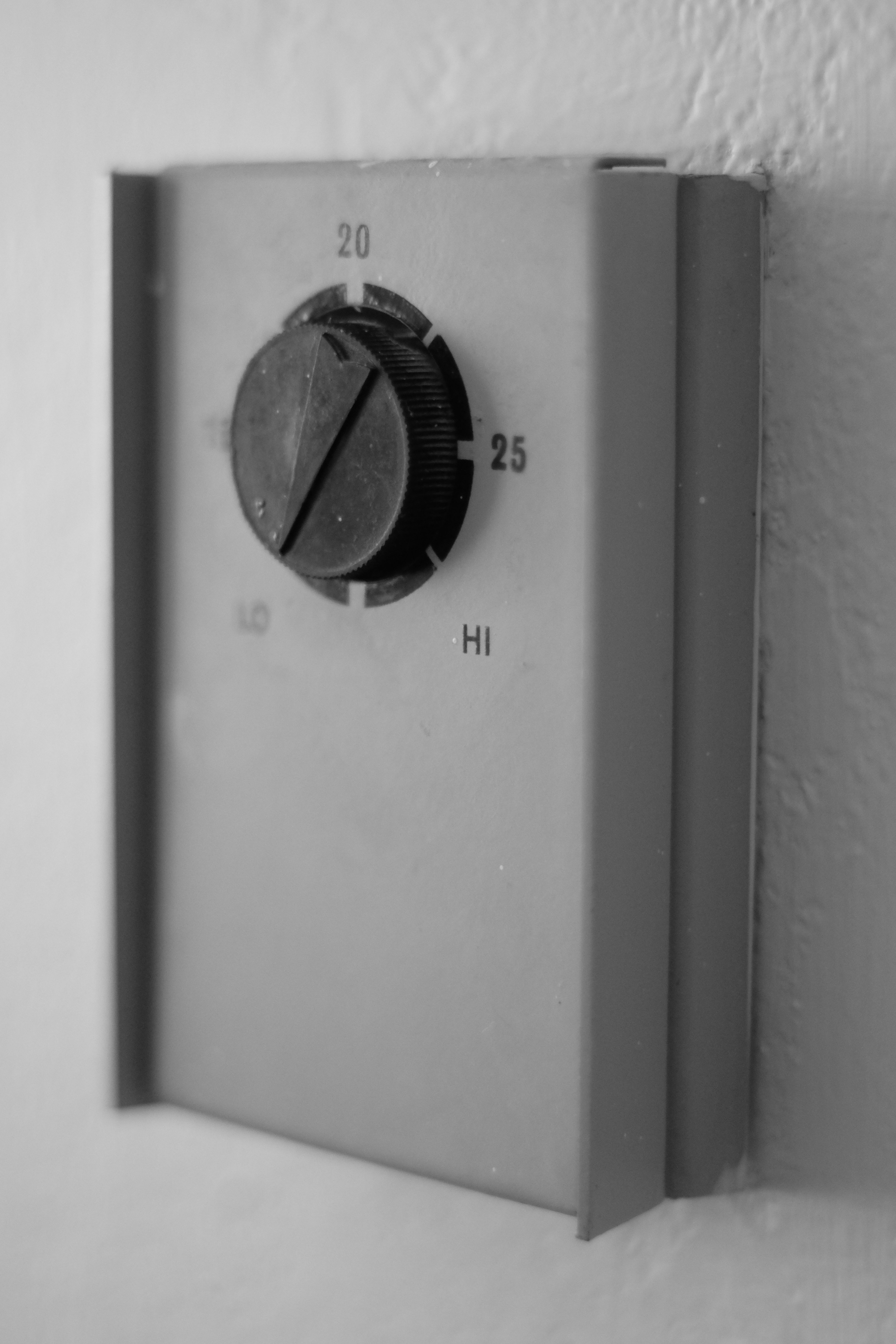
Smart Thermostat Repair in Stanton, CA
Smart thermostats are central to home comfort and energy savings in Stanton, CA. With hot summers and mild winters, many Stanton homes rely heavily on air conditioning. When a smart thermostat malfunctions you notice it quickly: rooms that never reach set temperatures, strange HVAC cycling, or loss of remote control. This page explains common smart thermostat problems in Stanton, how they are diagnosed and repaired, warranty and cost considerations, and practical steps to prevent repeat issues so your system stays reliable and efficient.
Common smart thermostat issues in Stanton, CA
- Connectivity problems with Wi Fi or cloud services
Many smart thermostats lose connection to home networks after router updates, ISP changes, or intermittent local network congestion. In Stanton neighborhoods with many connected devices, weak signals or crowded Wi Fi channels are common causes. - Firmware and software errors
Failed updates, corrupted firmware, or app synchronization problems can cause unresponsive controls, incorrect schedules, or features that stop working. - Sensor and calibration faults
Internal or remote sensors may drift over time or read incorrectly if installed near heat sources, direct sunlight, or in poorly ventilated locations. That leads to inconsistent temperatures between rooms. - Battery and power issues
Battery powered models can die unexpectedly. Hardwired units relying on a C wire may suffer if the HVAC system fails to provide consistent power, or if a recent furnace or air handler replacement changed wiring. - Wiring and compatibility problems
Replacing traditional thermostats with smart models sometimes reveals missing wires, incompatible control voltages, or heat pump configuration errors that cause poor HVAC performance. - User interface and schedule errors
Misconfigured schedules, accidental settings changes, or multi user conflicts in apps can make a smart thermostat behave as if it is malfunctioning.
How we diagnose smart thermostat problems
Diagnosis begins with remote troubleshooting when possible, then moves to an on site inspection for issues that cannot be resolved remotely.
Remote troubleshooting steps
- Confirm device status in the manufacturer app and check online service status.
- Guide through simple fixes: reboot thermostat, power cycle router, re pair to Wi Fi, or re link the account.
- Verify firmware version and, if available, push or initiate an update.
- Check app logs for error codes and take screenshots to speed on site repair.
When on site inspection is needed
- Inspect thermostat placement and local environmental factors like sunlight or nearby heat sources.
- Test wiring at the control terminals and at the HVAC control board to verify C wire and voltage.
- Measure power continuity and detect intermittent faults that do not show up remotely.
- Use diagnostic tools to read sensor outputs, verify calibration, and check communication between thermostat and furnace or air handler.
- Review HVAC behavior during operation to determine whether the issue is thermostat related or a separate equipment fault.
Typical repairs and solutions
- Wi Fi network optimization
Adjust router placement, change Wi Fi channel, or add a dedicated access point to ensure stable connectivity for the thermostat. - Firmware restoration or reinstallation
If updates fail, technicians can roll back or reinstall firmware safely, reinitialize the unit, and verify app synchronization. - Sensor replacement and recalibration
Replace faulty internal sensors or relocate remote sensors. Recalibrate readings to align thermostat control with actual room temperatures. - Power and wiring fixes
Install or repair a C wire, add a plug in power extender where wiring is limited, or repair loose terminal connections at the HVAC control board. - Compatibility and configuration adjustments
Reconfigure settings for heat pump or multi stage systems, update wiring labels, and ensure control voltages match thermostat requirements. - Replace defective thermostat components
When internal hardware has failed, replacement of the unit or internal modules may be recommended to restore full functionality.
Firmware, software, batteries, and warranty handling
Firmware and software issues often resolve with controlled updates or factory resets, but they can expose hardware flaws. When a unit is under manufacturer warranty, warranty handling typically follows these steps:
- Document symptoms, screenshots, and firmware versions.
- Confirm purchase or installation date if required by warranty terms.
- Perform troubleshooting steps outlined by the manufacturer to qualify the claim.
- If the thermostat is defective, arrange for warranty replacement or authorized repair according to the manufacturer process.
For battery and power issues, replace batteries with manufacturer approved types and verify charging or power delivery. If the thermostat no longer accepts firmware updates or shows hardware fault codes, warranty replacement is often the recommended path.
Preventing future issues in Stanton homes
- Keep firmware and apps up to date, but apply updates at stable times and follow backup steps.
- Improve home Wi Fi: use modern routers, separate IoT devices on a dedicated network, and position routers to reduce interference.
- Use surge protection for HVAC control circuits where house wiring or neighborhood power fluctuations are an issue.
- Place thermostats away from direct sunlight, windows, or kitchen appliances to avoid false readings.
- Check batteries seasonally, especially before Stanton summer heat waves, to avoid unexpected shutdowns.
- Schedule seasonal HVAC inspections to ensure the furnace, air conditioner, and control board are delivering stable power and control signals.
- Keep account credentials and app permissions organized so multiple household users do not inadvertently change schedules.
Why timely repair matters
Prompt repair of a smart thermostat restores comfort, prevents unnecessary HVAC cycling, and preserves the energy savings that made smart thermostats attractive in the first place. In Stanton where air conditioning use is high, resolving thermostat faults quickly reduces wear on equipment and keeps energy bills predictable. Accurate temperature control also supports indoor air quality and comfort across different rooms and daily schedules.
Addressing issues early prevents small faults from becoming larger HVAC problems. Whether the fix is a remote firmware refresh or an on site wiring correction, the right diagnosis and repair will restore functionality while protecting warranty coverage and maintaining long term reliability.
Customer
Testimonials
Our customers consistently praise the exceptional service and professionalism of our team. They appreciate the honest advice, meticulous work, and the care taken to ensure their satisfaction.

.webp)
Service Areas
