

Smart Thermostat Installation in Stanton, CA

Smart thermostat installation in Stanton, CA offers homeowners improved comfort, energy efficiency, and effortless control through professional setup and integration. Expert technicians ensure proper installation for reliable performance, enabling features like remote access, adaptive energy monitoring, and seamless automation with smart home systems. The service addresses local factors such as high cooling demand and variable energy rates, along with challenges like missing C-wires and line-voltage configurations. Each installation includes a detailed pre-assessment, model recommendation, safe wiring, configuration, and app setup, followed by user training. Homeowners also receive guidance on energy reporting, available rebates, maintenance practices, and documentation to support long-term efficiency and consistent comfort.
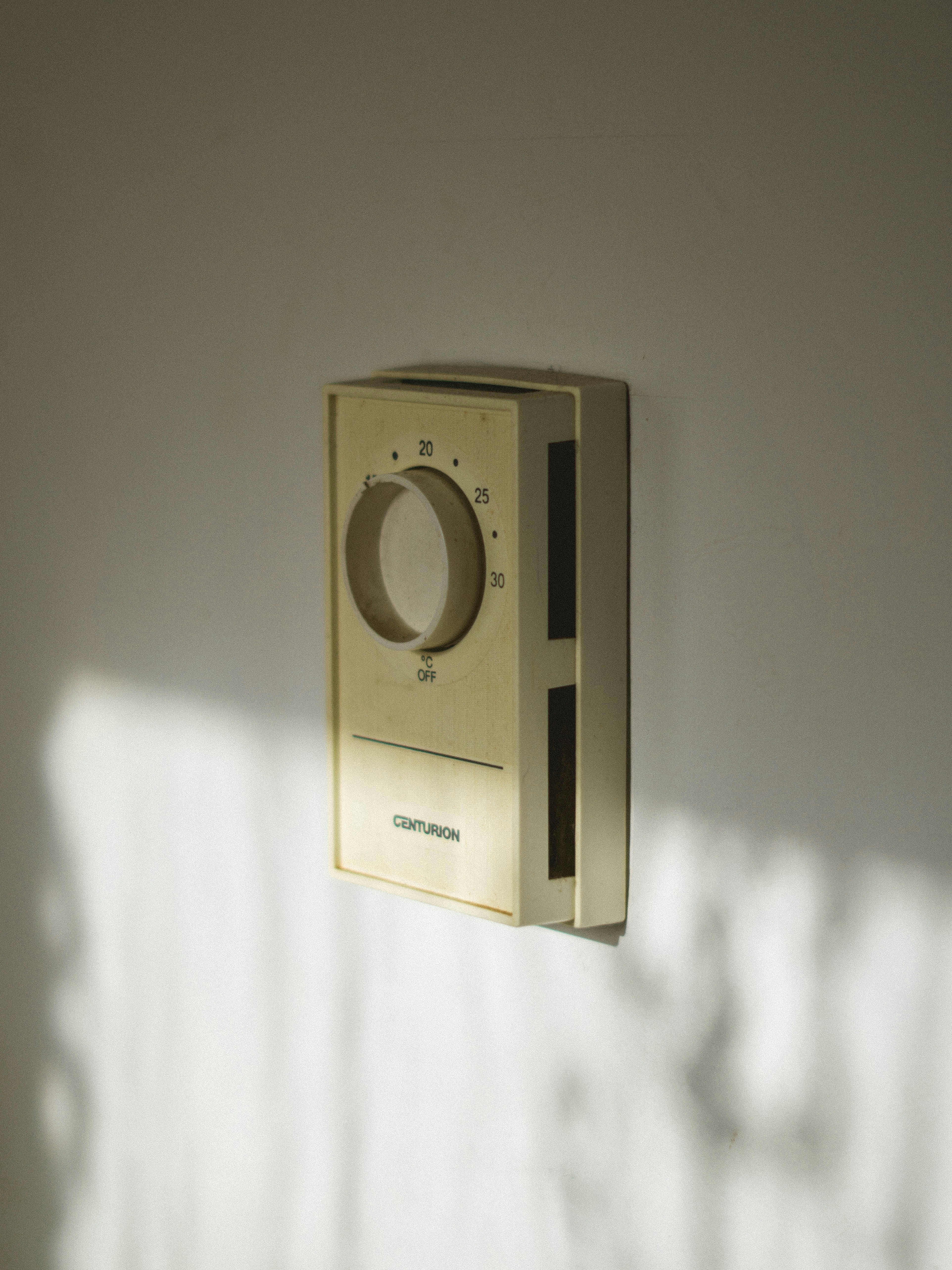
Smart Thermostat Installation in Stanton, CA
Upgrading to a smart thermostat in Stanton, CA gives your home modern comfort control, lowers energy use, and makes heating and cooling easier to manage from anywhere. Whether you live in a postwar bungalow, a newer tract home, or a multiunit building, a properly installed smart thermostat delivers benefits like remote temperature control, learning schedules, precise energy monitoring, and integration with voice and home automation systems. This page explains what to expect from professional smart thermostat installation in Stanton, CA, common local issues, the installation process, compatibility checks, and practical guidance for energy monitoring and rebates.
Why a smart thermostat makes sense for Stanton homes
Stanton experiences warm summers and mild winters, which means air conditioning is often a primary energy use. A smart thermostat helps by:
- Reducing cooling runtime with adaptive schedules and geofencing when residents leave
- Tracking energy use to reveal wasteful patterns common in older Orange County homes
- Smoothing HVAC cycling during heat waves to improve comfort and reduce wear
- Integrating with home automation for whole-house scenes that balance comfort and savings
Local electricity rates and seasonal demand spikes make thermostat-driven efficiency particularly valuable. Older homes in Stanton also tend to have thermostats located in suboptimal spots, so a professional installation includes placement and calibration to get accurate readings.
Common smart thermostat issues in Stanton and how professionals solve them
- No C-wire or inadequate power: Many older thermostats lack a dedicated common wire. Professionals install a C-wire, use a power extender, or recommend battery-backed smart models to ensure reliable operation.
- Line-voltage systems: Electric baseboard heat and some older systems use high-voltage wiring incompatible with standard smart thermostats. Technicians identify line-voltage equipment and propose compatible thermostats or relay solutions.
- Multi-stage heat pump or HVAC compatibility: Homes with multi-stage furnaces, dual fuel systems, or heat pumps need a model that supports staging and auxiliary heat. A compatibility check prevents improper control that could damage equipment.
- Wi-Fi and network connectivity problems: Thick walls, long distances, and older wiring can impact Wi-Fi. Professionals test signal strength, suggest placement options, and set up extenders or mesh networks when needed.
- Improper thermostat placement: Thermostats near kitchens, direct sun, or supply vents give misleading readings. Installers evaluate optimal mounting locations for accurate temperature control.
- Zoning and multiple units: Multi-zone or multiunit buildings require coordinated installation and configuration for balanced comfort and efficiency across zones.
What a professional smart thermostat installation includes
A professional installation in Stanton typically follows these steps:
- Pre-installation assessment
- Inspect the existing thermostat, wiring, and HVAC equipment
- Confirm system type: single stage, multi-stage, heat pump, hydronic, or line-voltage
- Verify power source and identify need for C-wire, adapter, or transformer
- Model selection and compatibility recommendation
- Recommend thermostats that support your HVAC features and preferred integrations (Alexa, Google Assistant, Apple HomeKit)
- Discuss models with built-in learning schedules, geofencing, and energy reports
- Safe wiring and mount
- Shut down HVAC power and install appropriate wiring or power modules
- Mount the thermostat in an optimal location and finish wiring according to manufacturer specs and local electrical codes
- HVAC configuration and testing
- Configure system settings for equipment type, stage counts, heat pump balance, and fan control
- Run system tests in heating, cooling, and fan modes to confirm proper operation
- App and network setup
- Connect the thermostat to the home Wi-Fi network
- Link the app to the thermostat and set up user accounts
- Integrate with voice assistants and home automation platforms when requested
- User training and support
- Demonstrate key features: scheduling, away modes, energy reports, and remote control
- Explain how to read energy usage and set comfort vs efficiency preferences
- Provide troubleshooting tips and firmware update guidance
Energy monitoring, rebates, and documentation
Smart thermostats provide energy reports that help identify patterns like excessive night cooling or constant fan run times. In Stanton, those reports can be used when applying for local utility incentives. Common guidance includes:
- Enrolling in your utility program to check eligibility for rebates from regional providers
- Keeping installation documentation and energy usage screenshots required by many programs
- Using the thermostat app to capture before and after consumption reports for rebate claims
Professional installers are familiar with the documentation utilities typically request and can provide system configuration details necessary for rebate qualification.
Integration with home automation and advanced features
Smart thermostats in Stanton can be integrated into broader home automation setups:
- Voice control with Amazon Alexa, Google Assistant, or Siri for simple temperature adjustments
- Geofencing to automatically switch to energy-saving modes when you leave the area
- Scheduling that learns from occupancy patterns to reduce cooling during work hours and pre-cool before you return
- Smart home scenes that coordinate thermostat settings with lighting, shades, and security for comfort and energy efficiency
Technicians will map out automation workflows and ensure integrations respect local network security practices.
Maintenance and long-term performance tips
- Update firmware when manufacturers release updates to maintain compatibility, security, and feature improvements
- Replace batteries on battery-backed models annually or when app alerts indicate low power
- Inspect thermostat placement if comfort complaints arise after seasonal changes
- Schedule an HVAC tune-up annually to ensure the system responds properly to thermostat commands and maintains peak efficiency
- Use energy reports to refine schedules seasonally and during extreme heat events common in Southern California
Smart thermostats are tools. When matched correctly to your Stanton home and professionally installed, they deliver measurable comfort, convenience, and energy savings while protecting HVAC equipment.
Final note on professional installation in Stanton, CA
A correct assessment and professional installation remove common pitfalls that lead to poor performance or compatibility problems. In Stanton homes, where older wiring and seasonal cooling demand are common, a technician ensures your smart thermostat is properly powered, connected, configured, and integrated so you get reliable remote control, accurate energy insights, and seamless home automation.
Customer
Testimonials
Our customers consistently praise the exceptional service and professionalism of our team. They appreciate the honest advice, meticulous work, and the care taken to ensure their satisfaction.

.webp)
Service Areas
