

Heating Tune-up in West Hollywood, CA

West Hollywood residents can absolutely rely on Plum HVAC for a professional heating tune-up to improve safety, efficiency, and comfort. We provide a comprehensive service that includes filter checks, thermostat calibration, ignition and safety inspections, combustion analysis when needed, and detailed system diagnostics. We'll explain our diagnostic process, typical issues, and how our tune-ups integrate seamlessly with maintenance plans to reduce downtime and extend equipment life. By detailing recommendations, maintenance frequency, and local considerations, Plum HVAC demonstrates the clear value of proactive, expert upkeep for your urban home.
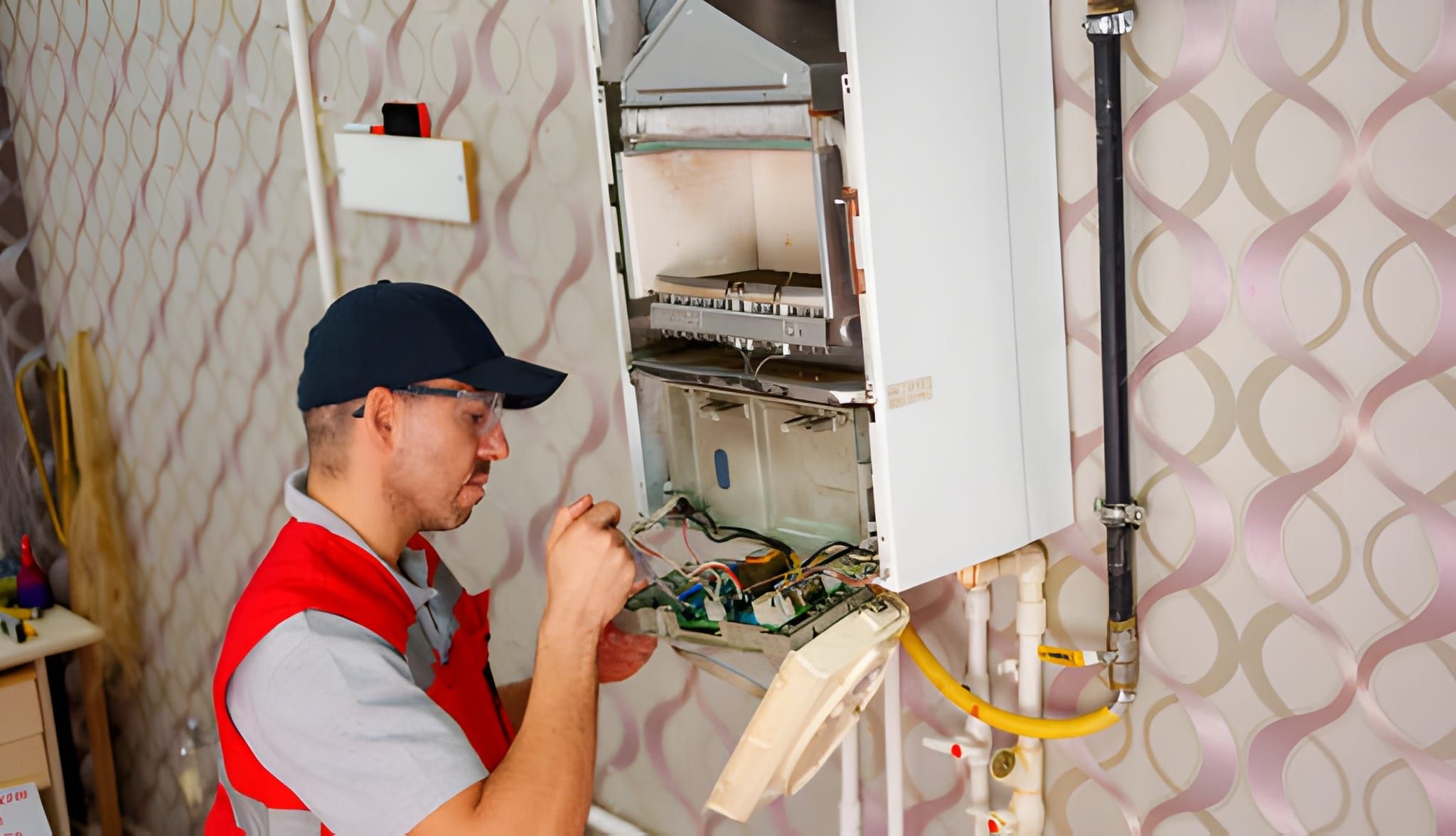
Heating Tune-up in West Hollywood, CA
Keeping your heating system operating safely and efficiently is important—even in West Hollywood’s mild Mediterranean climate. A professional heating tune-up in West Hollywood, CA ensures reliable warmth during cooler nights, reduces energy waste, and extends the life of your furnace or heat pump. This page explains what a comprehensive seasonal or annual tune-up includes, common local issues, the diagnostic process, and how tune-ups fit into broader maintenance agreements for West Hollywood homes.
Why a heating tune-up matters in West Hollywood
Even though winters are generally mild, West Hollywood homes still rely on heating during cooler months and on-demand evening use. Irregular maintenance can lead to higher energy bills, unpredictable breakdowns, reduced comfort, and potential safety risks with gas systems. Regular tune-ups address these risks proactively, improving performance and providing peace of mind for homeowners and renters who want dependable heating without surprises.
Common heating issues in West Hollywood homes
- Dirty or neglected filters reducing airflow and causing strain on the blower
- Inconsistent thermostat calibration producing uneven temperatures between rooms
- Ignition or burner problems in older gas furnaces causing delayed or failed starts
- Restricted venting or compromised flue draft from urban pollution and occasional airborne particles
- Worn belts, motors, or bearings that create noise and reduce efficiency in high-use systems
- Reduced heat output in older equipment that has not been professionally inspected
What a complete heating tune-up includes
A thorough heating tune-up covers inspections, measurements, adjustments, and basic service items. Typical checklist items include:
- Filter inspection and replacement or recommendation for the correct MERV level filter
- Burner and ignition system inspection, cleaning, and adjustment (gas systems)
- Thermostat calibration and verification of accurate temperature control
- Safety controls check, including limit switches, flame sensors, and carbon monoxide indicators
- Airflow evaluation: blower motor condition, belt alignment, and ductwork visual inspection
- Gas valve and gas pressure checks for proper combustion where applicable
- Combustion analysis when required: measuring flame quality and exhaust characteristics
- Electrical connections: tightening, inspection for wear, and verifying safe operation
- Condensate drain and trap inspection (for high-efficiency furnaces and heat pumps)
- Visual inspection of heat exchanger for cracks, corrosion, or other damage
- System start-up and run test to verify reliable ignition, cycling, and temperature rise
- Documentation of findings and recommended repairs or parts replacement
Diagnostic process — what to expect
A professional technician follows a methodical process to pinpoint issues and confirm system performance:
- Pre-inspection: Review system history, model, age, past service notes, and homeowner concerns.
- Safety checks: Shut down power or gas when required, verify venting and clearances, and ensure safe working conditions.
- Component inspection: Examine burners, heat exchanger, blower assembly, gas valves, and ignition systems.
- Measurement: Check voltages, amperage, pressure, and temperature differentials to assess performance against manufacturer specifications.
- Combustion and draft testing: For gas systems, confirm proper combustion and safe flue operation.
- Adjustments and minor repairs: Clean burners, adjust gas pressure, calibrate thermostat, and replace filters as needed.
- Final testing and documentation: Run the system through several cycles to confirm reliability and provide a written summary of results and recommended next steps.
Benefits of regular tune-ups
- Improved energy efficiency, translating to lower monthly utility costs
- Enhanced reliability and fewer unexpected breakdowns during cooler nights
- Extended equipment life—routine maintenance prevents accelerated wear
- Safer operation, especially for gas-fired systems where combustion and venting are critical
- Better indoor comfort with consistent temperature control and improved airflow
- Clear maintenance records that support manufacturer warranties and resale value
Recommended frequency and timing
- Annual tune-up: Most manufacturers and industry standards recommend a professional inspection and service at least once every 12 months.
- Best timing for West Hollywood: Schedule tune-ups in early fall before the cooler season begins to ensure reliable performance when you need heat most.
- High-use or older systems: Systems older than 10 years or homes with frequent heating use may benefit from semi-annual checks or more targeted mid-season inspections.
How tune-ups fit into broader maintenance agreements
Heating tune-ups can be standalone services or part of a broader maintenance plan. Typical maintenance agreement features include:
- Priority scheduling during peak season for enrolled properties
- Seasonal inspections for both heating and cooling systems to cover year-round needs
- Discounted rates on repairs and replacement parts for plan members
- Regular documentation and service history that supports warranty claims and helps with system lifecycle planning
- Multi-system coverage for homes with separate heating zones, heat pumps, or combined HVAC systems
A structured maintenance plan helps West Hollywood homeowners manage predictable upkeep, reduce lifecycle costs, and keep systems running efficiently in an urban Southern California environment.
Safety and local considerations for West Hollywood
West Hollywood’s urban setting and climate influence HVAC performance. Occasional air pollution and dust can accelerate filter clogging and burner soiling. Older homes or hillside properties may have aging ductwork or nonstandard venting that requires careful inspection. For gas-fired systems, proper combustion and flue draft testing are essential to reduce the risk of carbon monoxide exposure and maintain combustion efficiency. Keeping filters clean and scheduling annual professional checks are the most effective local strategies to reduce risk and cost.
Customer
Testimonials
Our customers consistently praise the exceptional service and professionalism of our team. They appreciate the honest advice, meticulous work, and the care taken to ensure their satisfaction.

.webp)
Service Areas
