

Heating Repair in West Hollywood, CA

Heating repair in West Hollywood, CA, from Plum HVAC, provides fast diagnosis, safe repairs, and clear guidance on whether repair or replacement is the best option. We cover common failure modes, symptom-driven diagnostic steps, typical repair procedures and times, and general cost ranges. We also list our technician qualifications, brands serviced, and when to repair versus replace. Maintenance tips tailored to local homes help prevent mid-season breakdowns, improve efficiency, and extend equipment life for residents in multifamily and single-family buildings.
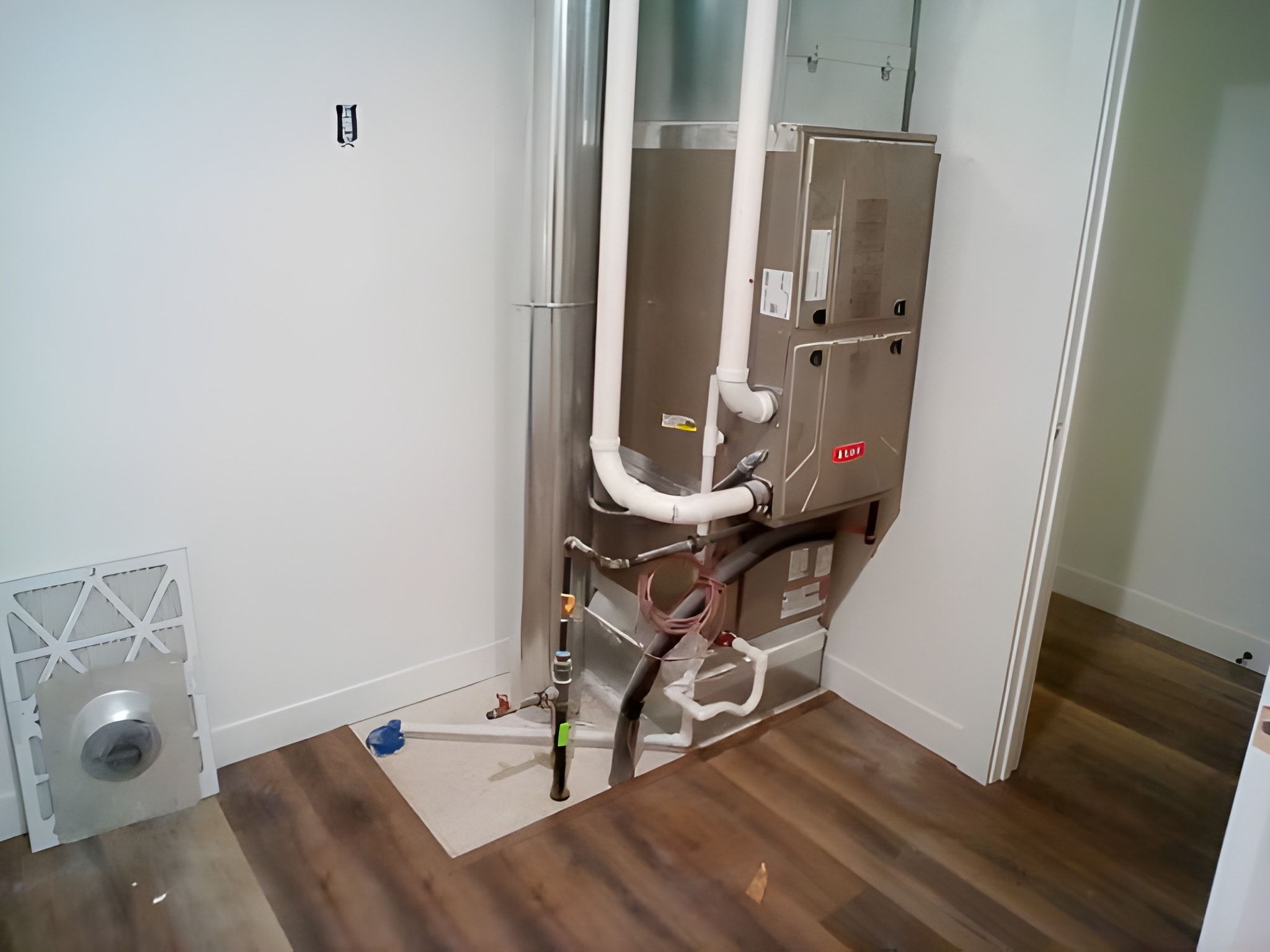
Heating Repair in West Hollywood, CA
Winter in West Hollywood is short but unpredictable. When your furnace, heat pump, or wall heater fails on a chilly morning, fast, accurate repair prevents discomfort, safety risks, and higher utility bills. This page explains common heating problems in West Hollywood homes, how technicians diagnose and fix them, typical repair times and cost ranges, which parts are replaced most often, the qualifications a competent technician should have, and how to decide between repair and replacement.
Why timely heating repair matters in West Hollywood
Even though winters are mild, many West Hollywood homes and apartments rely on compact systems that can break down after light seasonal use. Delaying repairs can lead to:
- Safety risks from gas leaks or carbon monoxide if a gas appliance is failing
- Higher energy bills from inefficient operation
- Progressive component damage that increases repair costs
- Disruption in multifamily buildings where one unit’s failure affects shared comfort
Local conditions — higher energy costs in California, frequent apartment living, and urban dust — make efficient, reliable heating especially important.
Common heating repair issues in West Hollywood
Here are the failure modes technicians see most often in local residences and small buildings:
- No heat at all: Often caused by thermostat failure, power or gas supply interruption, failed ignition systems, or control board faults.
- Weak or insufficient heat: Clogged filters, malfunctioning burners, low gas pressure, failing blower motors, or refrigerant issues in heat pumps.
- Uneven heating or hot/cold rooms: Duct leaks, blocked vents, zone control or thermostat placement problems.
- Short cycling (system turns on and off frequently): Faulty thermostat, oversized system, clogged filter, or failing limit switch.
- Strange noises: Loose blower wheel, failing motor bearings, or debris in burners.
- Odors or soot: Dirty burners, incomplete combustion, or failing heat exchangers — potential safety concerns.
- Pilot light or ignition problems: Common in older gas furnaces and wall heaters.
- Heat pump-specific issues: No heat in heat mode, failed reversing valve, low refrigerant, or defrost cycle faults.
- High energy bills: Inefficient burners, aging equipment, duct leaks, or poor thermostat control.
Symptom-driven diagnostic approach
A methodical diagnostic reduces unnecessary part changes and pinpoints root causes:
- Initial assessment
- Confirm symptoms, frequency, and recent events (power outages, construction, odd smells).
- Verify thermostat settings, batteries, and schedules.
- Basic system checks
- Inspect filters, vents, and outdoor units (for heat pumps).
- Check electrical breakers, fuses, and condensate pans.
- Functional tests
- Run the system and monitor ignition sequence, blower operation, refrigerant pressures (if applicable), and fuel delivery.
- Read and interpret error codes on control boards and thermostats.
- Safety and combustion checks (gas systems)
- Check for proper flame pattern, CO risk, and visually inspect heat exchanger for cracks or corrosion when indicated.
- Component testing
- Test motors, capacitors, limit switches, ignition modules, gas valves, and control relays with meters and diagnostic tools.
- Report and recommendation
- Provide a clear explanation of findings, parts needed, expected repair time, and whether repair or replacement is more cost-effective.
Typical repair procedures and parts replaced
Common repairs performed in West Hollywood homes include:
- Igniter or flame sensor replacement: Quick fixes for ignition issues, usually completed in 1 to 2 hours.
- Blower motor or capacitor replacement: Restores airflow; typically 2 to 4 hours depending on access.
- Control board repair or replacement: Electrical diagnosis and swap can take 1 to 3 hours.
- Gas valve or regulator repairs: Requires safety checks and combustion tuning; usually 2 to 4 hours.
- Heat exchanger inspection and minor repairs: If cracked, replacement of the furnace may be recommended; inspection can take 1 to 3 hours.
- Heat pump compressor or reversing valve service: Often a longer repair with refrigerant recovery; 3 to 6 hours.
- Duct sealing and repair: Time varies based on complexity.
Common parts replaced: igniters, flame sensors, control boards, blower motors, capacitors, gas valves, limit switches, thermostats, filters, heat pump compressors, reversing valves, contactors, and relays.
Estimated repair times and cost guidance
Times
- Minor repairs (filters, sensors, igniters, thermostats): 1 to 2 hours.
- Moderate repairs (motors, control boards, gas valve work): 2 to 4 hours.
- Major repairs (compressor, heat exchanger replacement, complex ductwork): 4 to 8+ hours or multi-day jobs.
Cost ranges (general estimates)
- Minor repairs and part swaps: typically lower cost; many repairs complete in a single service visit.
- Moderate repairs: mid-range costs depending on parts and labor.
- Major component replacements or heat exchanger/compressor work: higher cost, sometimes approaching the price of a new system.
Because local labor rates, parts availability, system accessibility, and unit age vary, the most accurate estimates come after an on-site diagnostic.
Technician qualifications and brands serviced
Look for technicians who meet professional standards and local licensing:
- California C-20 HVAC contractor license or equivalent local trade license.
- NATE certification or equivalent manufacturer training.
- EPA 608 certification for refrigerant handling (required for heat pump work).
- Bonded, insured, and trained in combustion safety and carbon monoxide testing.
- Experience with common residential brands and systems: Carrier, Trane, Lennox, Goodman, Rheem, Ruud, Bryant, York, American Standard, Daikin, and Honeywell controls, plus local wall heaters and packaged units found in older apartments.
Technicians should provide a clear diagnostic report explaining work performed, replaced parts, and any safety concerns.
When to repair versus replace
Consider replacement when:
- The system is near or beyond its expected life (generally 15 to 20 years for furnaces, 10 to 15 for heat pumps).
- Repairs are frequent or cumulative costs approach 50% or more of a modern replacement.
- Efficiency has significantly declined, increasing operating costs.
- The heat exchanger is cracked (safety issue) or compressor has failed.
- You want improved comfort, zoning, or lower energy bills, especially given California energy prices and local incentives for efficient systems.
Repair is recommended when:
- The issue is an isolated component failure on a relatively young system.
- The system is otherwise reliable and efficient.
- Immediate short-term needs outweigh replacement considerations.
Maintenance and prevention tips for West Hollywood homes
- Schedule annual heating tune-ups before the cold months to catch issues early.
- Replace or clean filters every 1 to 3 months depending on use and indoor air quality.
- Keep outdoor heat pump units clear of debris, plants, and construction dust common in urban neighborhoods.
- Install and maintain carbon monoxide detectors near sleeping areas when you have gas appliances.
- Consider programmable or smart thermostats to reduce runtime and wear.
- Seal and insulate ducts where accessible to reduce heat loss in multi-unit buildings.
Regular maintenance in West Hollywood not only prevents mid-season breakdowns but also maximizes efficiency and extends equipment life.
Heating repair in West Hollywood, CA, requires prompt, knowledgeable service tailored to local housing types, mild but variable winters, and energy cost concerns. A clear diagnostic, qualified technician credentials, transparent repair options, and thoughtful maintenance will keep your home safe, comfortable, and efficient.
Customer
Testimonials
Our customers consistently praise the exceptional service and professionalism of our team. They appreciate the honest advice, meticulous work, and the care taken to ensure their satisfaction.

.webp)
Service Areas
