

Heating Maintenance in West Hollywood, CA

West Hollywood residents can protect comfort and energy costs with a tailored heating maintenance program. The service covers system inspections, filter changes, burner and coil cleaning, thermostat calibration, safety checks, and duct evaluation, all aligned with local climate and home types. Regular visits establish a clear service history, enable proactive repairs, and extend equipment life. Flexible schedules accommodate single- and multi-unit homes, prioritizing safety and reliability while reducing emergency breakdown risk and costly repairs. Tailored plans help avoid disruptions.
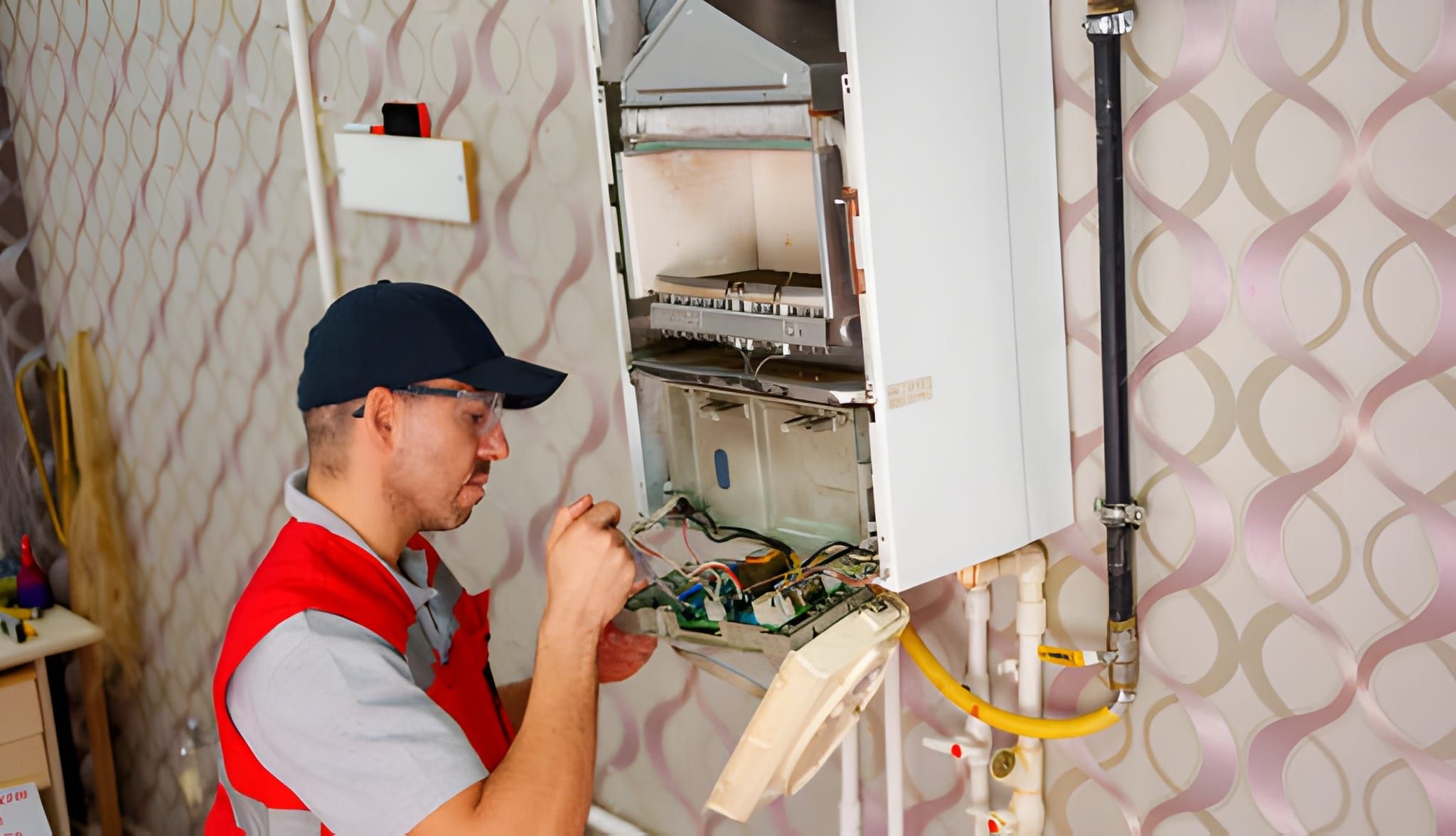
Why heating maintenance matters in West Hollywood, CA
West Hollywood’s Mediterranean climate typically means mild winters, but temperature swings, chilly nights, and occasional cold snaps still place stress on heating systems. Older homes and apartments common in the area often have aging ductwork, limited insulation, or systems that were not sized for current usage patterns. Left unchecked, these factors lead to reduced efficiency, uneven heating, higher utility bills, and unexpected breakdowns at the worst times.
A local heating maintenance program focuses on the specific needs of West Hollywood homes: it accounts for local weather patterns, urban pollution and dust that can clog filters, and the higher wear patterns caused by early morning and late-night heating cycles. Regular maintenance improves comfort, lowers costs, and reduces the risk of safety issues like carbon monoxide leaks.
What’s included in a comprehensive heating maintenance program
A properly structured heating maintenance program for West Hollywood includes a clear checklist of routine inspections and services designed to catch problems early. Typical inclusions are:
- Visual system inspection and operational check for furnaces, heat pumps, boilers, and ductless systems
- Cleaning and replacement of air filters and inspection of return and supply vents
- Inspection and cleaning of burners, heat exchangers, condensate drains, and coils
- Lubrication of motors and moving parts where applicable
- Thermostat calibration and performance verification
- Combustion analysis and safety checks for gas-fired equipment, including pilot and ignition systems
- Carbon monoxide and ventilation assessments to verify safe operation
- Electrical inspection: wiring connections, capacitors, contactors, and relays
- Ductwork inspection for leaks, gaps, or contamination
- Efficiency and fuel consumption review with recommendations for improvement
- Written service report and prioritized repair recommendations
These routine tasks reduce strain on components, maintain efficient operation, and help extend the useful life of your heating equipment.
How routine inspections and diagnostics work
Maintenance visits begin with a systematic diagnostic process. Technicians perform a start-up sequence, listen for unusual noises, measure operating temperatures and pressures, and use diagnostic tools to verify combustion and electrical performance. For heat pumps, both heating and defrost cycles are inspected. For furnaces and boilers, technicians inspect the heat exchanger for signs of stress or cracks and verify safe venting.
Technicians document findings in a clear service report that explains any issues in plain language, outlines recommended repairs, and lists parts that may need replacement soon. This record becomes part of your service history so future visits are faster and more accurate.
Customized maintenance schedules for your home
Not every West Hollywood property needs the same schedule. Factors that shape a customized plan include system age, equipment type, occupancy patterns, indoor air quality needs, and whether the home has pets or heavy dust exposure from nearby construction or traffic.
Typical options:
- Annual inspection and tune-up for newer, less-used systems
- Biannual checks for heat pumps or systems used heavily year-round
- Seasonal inspections timed before the main heating season to ensure reliability during colder nights
- Tailored plans for multi-unit buildings, older homes, or homes with priority safety concerns
Customized schedules optimize performance while minimizing unnecessary service visits.
Priority dispatch, discounts, and enrolled-customer benefits
Maintenance programs often include operational perks that matter in peak demand times. Enrolled customers typically receive priority dispatch during cold snaps, which reduces wait times when many homes need service at once. Programs may also offer routine discounts on repair labor or parts and faster scheduling for follow-up visits.
These program benefits are particularly valuable in West Hollywood, where rapid fluctuation in demand can delay repairs during sudden chilly periods.
Record-keeping and service history advantages
Consistent documentation of maintenance and repairs builds a reliable service history for your heating system. Well-maintained records support:
- Faster troubleshooting because technicians can see past findings and repairs
- Better warranty compliance and eligibility for manufacturer warranties
- Higher resale value and buyer confidence if you sell the home
- Clear tracking of component lifecycles so replacements happen before failures
A maintenance program that provides organized service history minimizes surprises and keeps decision-making data-driven.
Preventative measures to avoid breakdowns
Preventative measures included in a professional program reduce emergency repairs. Common proactive steps include:
- Regular filter changes to prevent airflow restrictions and compressor/fan strain
- Timely cleaning of coils and burners to maintain heat transfer efficiency
- Duct sealing to prevent heat loss and reduce system runtime
- Calibration of control systems and thermostats to prevent short cycling
- Inspection of outdoor units and clearances to avoid debris-related failures
- Seasonal fuel system checks for gas connections and vent integrity to prevent leaks
Addressing these items before they become problems increases system reliability and cuts long-term costs.
Long-term benefits of regular maintenance
The long-term returns of ongoing heating maintenance are clear: improved reliability, better indoor comfort, lower energy bills, fewer emergency repairs, and extended equipment life. In West Hollywood, where homes can vary widely in age and configuration, a maintenance program tailored to local conditions ensures your heating system responds efficiently when you need it most.
Practical maintenance tips for West Hollywood homes
- Replace or clean filters every 1 to 3 months during periods of frequent use, and more often if you have pets or live near construction zones.
- Keep outdoor units free of debris and maintain a clear perimeter to ensure proper airflow.
- Schedule a safety and efficiency inspection before the cooler months to catch issues before demand increases.
- If you notice unusual noises, odors, or inconsistent heating, document the symptoms and reference prior service history for faster diagnosis.
Regular heating maintenance in West Hollywood, CA protects comfort and safety, preserves system efficiency, and provides predictable cost control over time. A well-designed maintenance program tailored to local climate, building types, and usage patterns is the best way to ensure dependable heat when you need it.
Customer
Testimonials
Our customers consistently praise the exceptional service and professionalism of our team. They appreciate the honest advice, meticulous work, and the care taken to ensure their satisfaction.

.webp)
Service Areas
