

Heating Tune-up in South El Monte, CA

South El Monte residents truly benefit from a thorough seasonal heating tune-up from Plum HVAC that significantly improves safety, efficiency, and reliability. We'll outline why tune-ups matter in our local winters, discuss typical issues like clogged filters and ignition problems, and detail the comprehensive checklist of inspection, cleaning, and safety tests performed by our qualified technicians. We'll also explain what to expect during service, recommend yearly frequency, and show how routine maintenance from Plum HVAC fits into a broader home comfort plan, delivering steadier heat and lower energy costs.
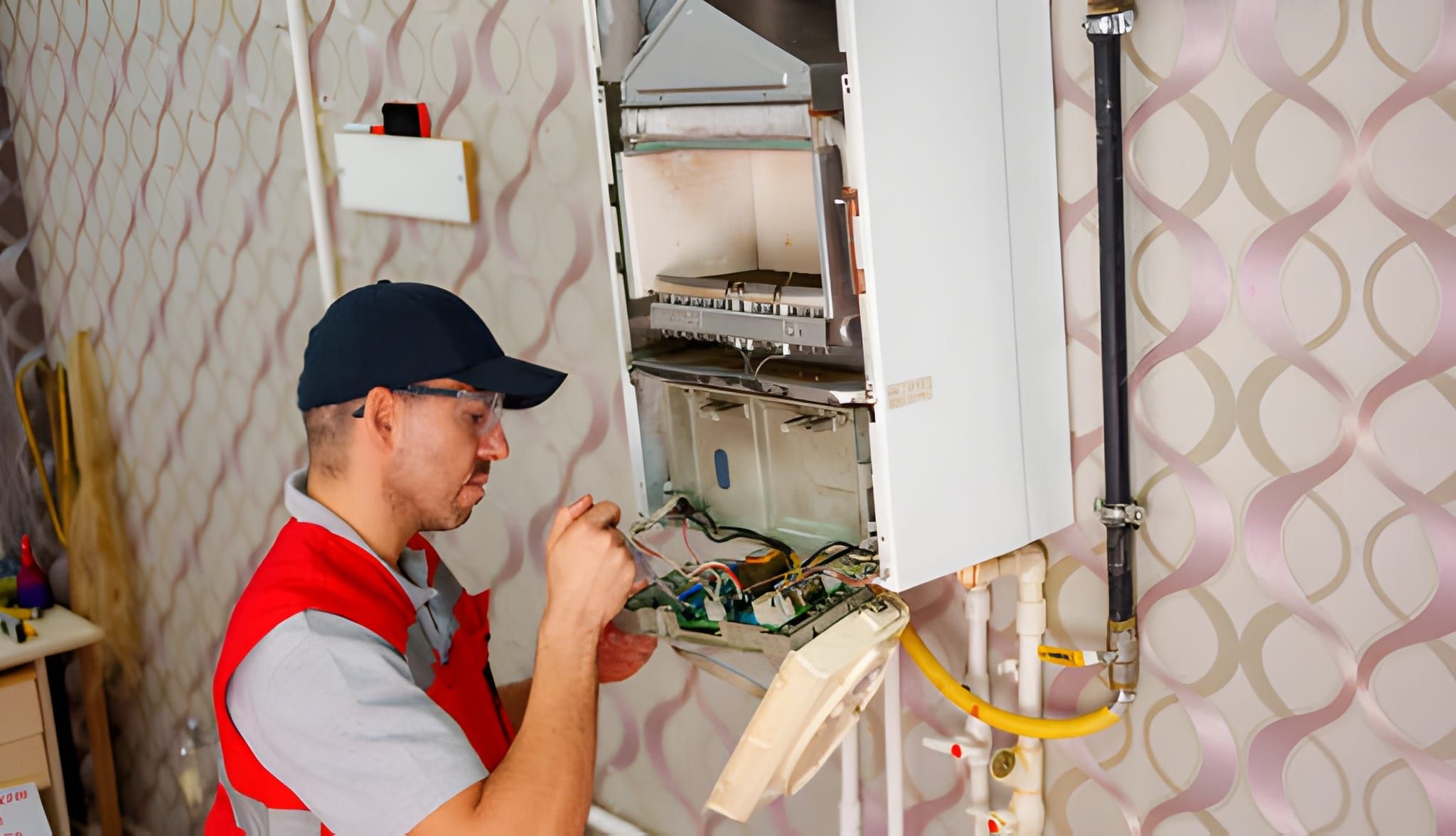
Heating Tune-up in South El Monte, CA
Keeping your home comfortable year-round in South El Monte means making sure your heating system is reliable, efficient, and safe. A seasonal heating tune-up is the best preventive step you can take to avoid mid-winter breakdowns, reduce energy waste, and improve indoor air quality. This page explains what a thorough heating tune-up in South El Monte, CA includes, common local issues, what to expect during service, recommended frequency, and how tune-ups fit into a broader home comfort plan.
Why a heating tune-up matters in South El Monte
South El Monte experiences mild winters but clear overnight temperature drops and occasional cold snaps. Homes here often run heating during chilly mornings and nights, and systems that get limited seasonal use can develop problems when needed. In addition, the Los Angeles basin’s air quality and dust can clog filters and burners faster, reducing efficiency and increasing wear. A seasonal tune-up addresses those local realities by restoring proper airflow, ensuring safe combustion, and optimizing system controls for the specific demands of South El Monte homes.
Common heating problems in South El Monte
- Reduced heat delivery or uneven heating between rooms
- Short cycling (system turns on and off frequently) caused by dirty filters or thermostat issues
- Pilot light or ignition failures in gas furnaces
- Noisy operation from worn motors, belts, or bearings
- Higher-than-normal energy use due to clogged coils or dirty burners
- Safety concerns like blocked vents, cracked heat exchangers, or improper combustion
- Heat pump issues such as low refrigerant or frozen coils during transitional seasons
What a complete seasonal heating tune-up includes
A high-quality tune-up covers inspection, cleaning, adjustments, and safety checks. Typical tasks performed during a tune-up in South El Monte include:
- Visual inspection of the entire system: Check cabinet, filters, vents, duct connections, and accessible components for wear or damage.
- Filter check and replacement guidance: Inspect filters and advise on replacement frequency based on local dust and indoor air quality.
- Cleaning burners and heat exchanger inspection: Remove soot and debris from burners and visually examine the heat exchanger for cracks or corrosion.
- Coil and blower cleaning: Clean evaporator and condenser coils (for heat pumps) and the blower assembly to restore airflow and efficiency.
- Thermostat calibration and control checks: Ensure the thermostat accurately reflects indoor temperature and that programming and sensors are working properly.
- Safety checks: Test for carbon monoxide risk indicators, inspect venting for obstructions or leaks, verify flame quality and combustion stability.
- Electrical inspection and component tightening: Check electrical connections, relays, and capacitors to prevent failures.
- Lubrication of moving parts: Oil motors and bearings where applicable to reduce noise and wear.
- Ignition and pilot system checks: Inspect electronic ignition or pilot assemblies and verify reliable starts.
- Refrigerant level and system pressure check (heat pumps): Confirm proper charge and performance during heating mode.
- Drainage and condensation checks: Clear drains and inspect condensate lines where applicable.
Each task targets a specific performance or safety issue common in Southern California homes, helping systems run smoothly through the cooler months.
What to expect during the tune-up
- Arrival and initial system review: The technician reviews your system type (gas furnace, heat pump, electric heater) and any symptoms you’ve noticed.
- Diagnostic testing and airflow measurement: Tests confirm safe combustion, blower performance, and thermostat accuracy.
- Cleaning and adjustments: Debris, dust, and soot are removed, and components are adjusted or tightened.
- Safety verification: Combustion analysis and vent checks ensure safe operation.
- Written findings and recommendations: You receive a clear summary of work performed and any recommended repairs or upgrades.
Typical tune-up duration: most residential heating tune-ups take about 60 to 90 minutes, depending on system complexity and whether additional cleaning or minor repairs are needed.
Recommended frequency and timing
- Annual tune-up: For most gas furnaces and heat pumps, one preventive maintenance visit each year is recommended. Schedule it in the fall before heating demand increases.
- Biannual checks: Homes with elderly occupants, those using systems heavily, or heat pumps that double as cooling systems may benefit from inspections twice a year—once in the fall and once in the spring.
- Filter checks: Replace or check filters every 1 to 3 months, more often if your home is dusty or you have pets.
Seasonal timing matters in South El Monte: aim for a fall visit to ensure reliable operation during cool nights and occasional cold spells. If your system was idle all summer, a pre-season inspection prevents surprises.
How tune-ups fit into a broader home comfort plan
A heating tune-up is a core piece of a comprehensive maintenance strategy:
- Coordinate heating tunings with air conditioning service to address dual-purpose components like blower motors and ducts.
- Combine tune-ups with duct inspections or cleaning to improve airflow and indoor air quality, particularly important given regional dust and smog.
- Use regular maintenance to preserve manufacturer warranties and extend system lifespan through early detection of issues.
- Track service history and filter schedules to reduce emergency repairs and budget for system upgrades on a planned timeline.
Benefits you’ll see after a professional tune-up
- Improved energy efficiency and more consistent indoor temperatures
- Lower risk of mid-season breakdowns and unexpected repair costs
- Longer equipment life and more reliable starts on cold mornings
- Better indoor air quality and fewer allergens entering living spaces
- Confirmed safety through vent and combustion checks, reducing carbon monoxide risk
Customer
Testimonials
Our customers consistently praise the exceptional service and professionalism of our team. They appreciate the honest advice, meticulous work, and the care taken to ensure their satisfaction.

.webp)
Service Areas
