

Heating Repair in South El Monte, CA

Heating repair services in South El Monte, CA, from Plum HVAC, provide a detailed diagnostic approach, on-site repairs for furnaces, boilers, heat pumps, and mini-splits, and clear guidance on whether to repair or replace. We outline common symptoms, a step-by-step procedure from safety checks to final reporting, and transparent pricing. We cover parts replacement, emergency response, and after-hours support, plus maintenance tips to extend system life and improve efficiency for local homes. Plum HVAC emphasizes safety, professional service, and customer education to help owners make informed decisions.
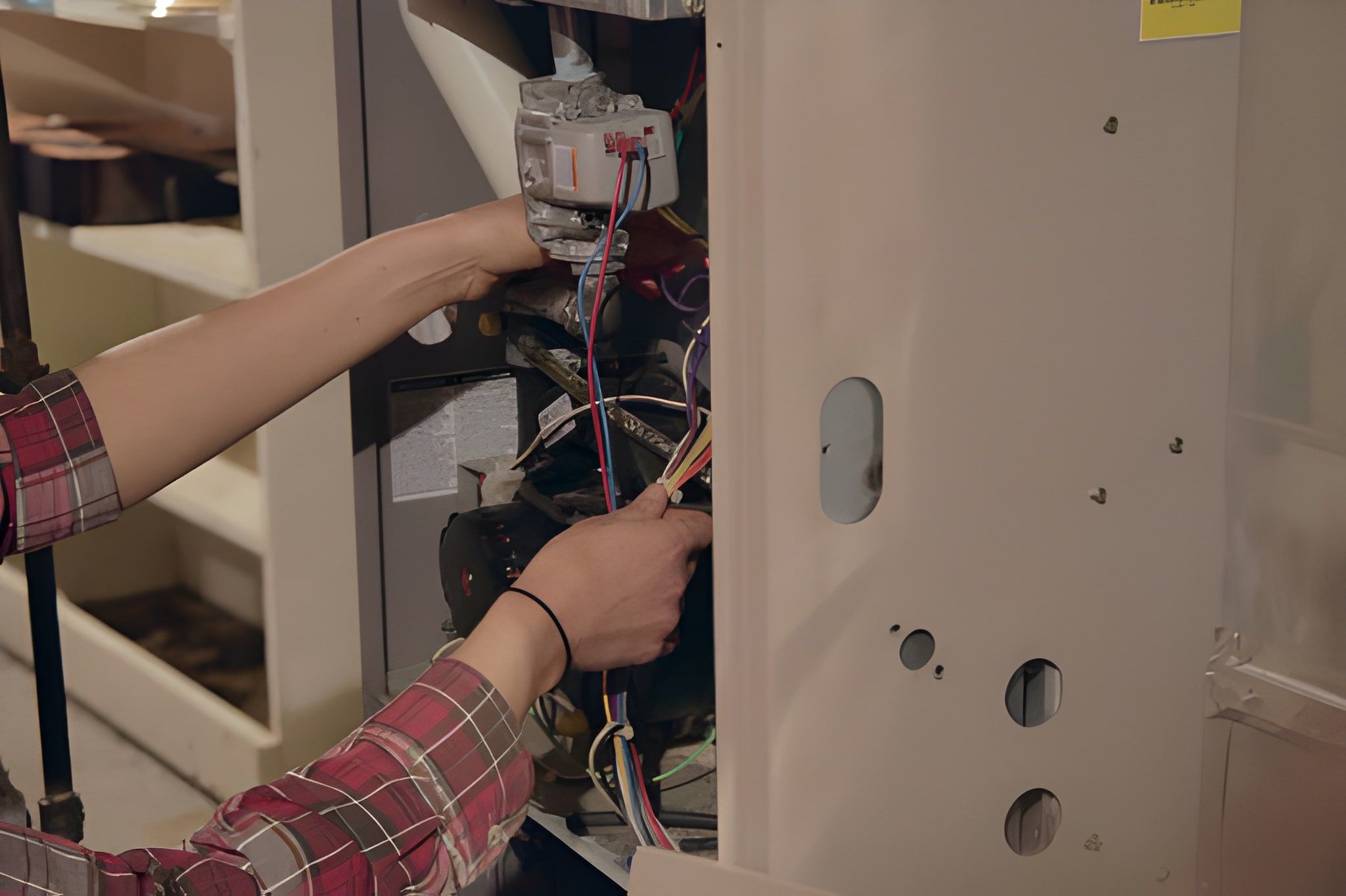
Heating Repair in South El Monte, CA
Keeping your heating system running efficiently matters in South El Monte, CA. Even though local winters are mild compared with the inland valleys, cold nights and early morning chill make reliable heating essential for comfort and safety. This page explains common heating failure symptoms in South El Monte homes, a step-by-step diagnostic approach, on-site repair capabilities for furnaces, boilers, heat pumps and mini-splits, parts replacement practices, emergency response options, transparent pricing estimate methods, and clear guidance on when repair versus replacement is recommended.
Common heating repair issues in South El Monte
Homeowners in South El Monte commonly encounter these symptoms:
- No heat or intermittent heating cycles
- Weak airflow from vents or inconsistent room temperatures
- Strange noises: banging, rattling, or high-pitched squeals
- System short-cycling (turning on and off frequently)
- Unusual odors during operation or a persistent gas smell
- Rising energy bills with reduced heating performance
- Failure of heat pumps or mini-splits to switch between heat and cool
These symptoms can arise from routine clogging and wear, electrical component failure, refrigerant issues in heat pumps and mini-splits, or gas ignition faults in furnaces. Local factors such as seasonal temperature swings and older ductwork in many South El Monte homes can make efficient airflow and proper system sizing especially important.
Step-by-step diagnostic procedure
A clear, methodical diagnosis prevents unnecessary repairs and identifies safety concerns early. Typical diagnostic steps include:
- Safety and basic checks
- Confirm power and thermostat settings
- Smell-check for gas and visually inspect for leaks
- Verify circuit breakers and switches
- System startup and observation
- Observe startup sequence to identify delays or failures
- Listen for abnormal sounds and evaluate cycle length
- Airflow and distribution
- Inspect filters, vents and return grilles for blockages
- Measure airflow if needed and check duct integrity
- Fuel and ignition systems (for gas furnaces and boilers)
- Inspect pilot light or electronic ignition
- Test gas valves and pressure where applicable
- Electrical and controls
- Test capacitors, contactors, relays and control board signals
- Verify thermostat communications and sensor operation
- Heat exchange and combustion (safety-critical)
- Inspect heat exchanger for cracks or corrosion
- Check flue operation for proper venting
- Refrigerant and refrigeration cycle (heat pumps and mini-splits)
- Measure refrigerant pressures and temperatures
- Inspect compressor, reversing valve, and expansion device
- Final assessment and reporting
- Compile findings, outline recommended repairs or options
- Provide a clear, itemized estimate before any work proceeds
On-site repair capabilities
On-site repairs cover the four most common residential heating system types in South El Monte:
- Furnaces
- Repair ignition modules, flame sensors, gas valves, blower motors, and control boards
- Address airflow problems and replace filters, belts or fan assemblies
- Boilers
- Repair circulator pumps, valves, controls and leak-prone fittings
- Flush and treat hydronic systems to restore efficiency
- Heat pumps
- Repair compressors, reversing valves, sensors, and electrical components
- Diagnose and correct refrigerant leaks and restore proper charge
- Mini-splits and ductless systems
- Repair indoor and outdoor units, replace fan motors, capacitors and control boards
- Reclaim and recharge refrigerant and correct communication faults
Technicians are equipped to complete most parts replacements and mechanical repairs on-site. When a specialty part requires ordering, temporary solutions to restore safe operation can often be implemented until the correct part arrives.
Parts replacement and quality considerations
Common parts replaced during heating repair:
- Air filters and thermostats
- Ignition and flame sensing components
- Blower motors, belts and bearings
- Capacitors, contactors and relays
- Compressors, reversing valves and expansion devices
- Heat exchangers and circulator pumps in hydronic systems
When selecting replacement parts, compatibility and reliability matter. For older systems, sourcing discontinued components or dealing with phased-out refrigerants can affect repair choices. Clear explanation of part options, warranties, and expected lifespans helps owners make informed decisions.
Emergency and after-hours response
Heating failures can occur at inconvenient times. Typical emergencies include complete loss of heat during cold nights, detection of carbon monoxide symptoms, or the smell of natural gas. Emergency response protocols include:
- Prioritizing safety: advising immediate steps such as shutting off gas appliances and ventilating the area if a gas smell is present
- On-site triage to identify safety risks like cracked heat exchangers or combustion issues
- Temporary measures to maintain heat or isolate hazardous components while arranging permanent repairs
After-hours assistance focuses on stabilizing conditions and addressing hazards first, followed by thorough repair scheduling.
Transparent pricing estimates
Transparent estimates in South El Monte should include:
- A clear diagnostic fee policy and what is covered in that inspection
- Itemized labor and parts costs with descriptions of each replacement
- Any applicable fees for after-hours or emergency service explained up front
- Estimated timelines for repair completion and part sourcing if needed
Estimates are most useful when they explain why a repair is recommended, the expected performance improvement, and alternatives if parts are unavailable or costs approach replacement thresholds.
When to repair vs when to replace
Consider repair when:
- The issue is isolated and the system is otherwise less than 10 to 12 years old
- Repairs address specific failed components and restore safe, efficient operation
- The cost of repair is reasonable compared with the remaining expected lifespan
Consider replacement when:
- The system is older and experiencing repeated failures across multiple components
- A safety-critical failure is present, such as a cracked heat exchanger in a gas furnace
- Repair costs approach a significant portion of a new system cost or efficiency gains from a new unit would meaningfully lower operating costs
- The system uses obsolete refrigerants or parts that are difficult to source
Making the right decision depends on system age, repair history, efficiency goals, and the condition of ductwork or distribution systems in the home.
Maintenance tips and long-term benefits
Regular maintenance extends service life and reduces emergency repairs. Recommended steps:
- Replace or clean filters every 1 to 3 months depending on use
- Schedule annual heating tuneups focused on combustion safety, airflow and controls
- Keep outdoor units clear of debris and ensure proper airflow around equipment
- Inspect vents and ductwork for leaks or blockages
Timely repairs and routine maintenance improve comfort, lower utility costs, and reduce the likelihood of unsafe operating conditions in South El Monte homes. Regular attention is especially important where older equipment and tighter budgets make longevity and efficiency top priorities.
Customer
Testimonials
Our customers consistently praise the exceptional service and professionalism of our team. They appreciate the honest advice, meticulous work, and the care taken to ensure their satisfaction.

.webp)
Service Areas
