

Heating Maintenance in South El Monte, CA

Heating maintenance services in South El Monte, CA provide thorough safety, performance, and documentation for residential systems. The program emphasizes routine inspections, filter care, thermostat calibration, and combustion and electrical safety checks for gas furnaces, heat pumps, and related equipment. Clients receive a clear maintenance history, visit deliverables, multiple service agreement options, and practical tips to reduce emergency repairs and operating costs while extending equipment life. The program covers a checklist of inspections, filter replacement, thermostat verification, blower and duct checks, and safety testing.
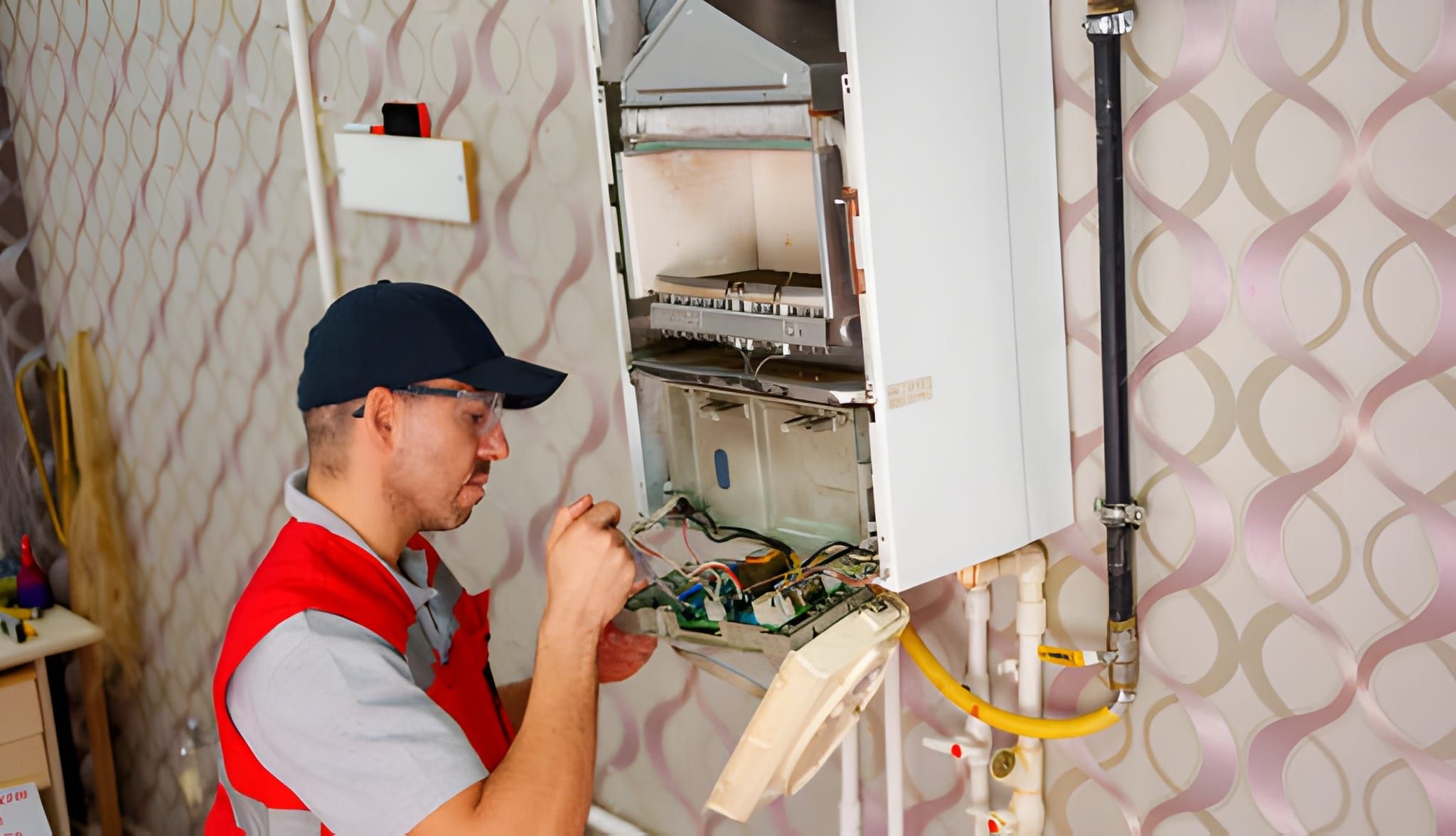
Why scheduled heating maintenance matters in South El Monte
South El Monte homes face a mix of regional factors that affect heating systems: large daytime/nighttime temperature swings, seasonal dust and pollen, and older housing stock with aging furnaces or packaged systems. Even though winters are mild compared to other regions, chilly evenings and occasional cold snaps make a healthy heating system essential. Regular maintenance addresses wear from seasonal cycling, prevents efficiency losses caused by dust and corrosion, and ensures safe operation of gas-fired equipment in neighborhoods where older units are common.
What a comprehensive heating maintenance program includes
A well-designed program covers safety, performance, and documentation. Typical elements are:
- Visual inspection of the entire heating system and accessible ductwork
- Air filter inspection and replacement or cleaning
- Thermostat calibration and schedule verification
- Combustion and safety checks for gas furnaces: burner condition, ignition, gas pressure, and carbon monoxide safety controls
- Heat exchanger inspection for cracks, corrosion, and integrity
- Blower assembly service: cleaning, belt inspection/adjustment, and lubrication where applicable
- Electrical checks: terminal tightness, capacitor and relay function, voltage and amperage readings
- Fuel components and flue inspection for proper venting and clearance
- Refrigerant check and defrost cycle inspection for heat pumps or mini-splits
- Condensate drain and pan cleaning to prevent clogs and water damage
- System airflow assessment and basic duct inspection for blockages or leaks
- Performance verification: static pressure, temperature rise, and system run-cycle evaluation
- Safety control tests, including limit switches and emergency shutoffs
Programs also include record-keeping, seasonal reminders, and a clear summary of findings after each visit.
Preventive maintenance checklist (quick reference)
- Replace or clean filters (every 1-12 months depending on type and household)
- Check thermostat accuracy and battery power
- Inspect burners and ignition systems on gas furnaces
- Inspect heat exchanger and flue for corrosion or leaks
- Clean blower wheel and motor; check belts
- Verify proper airflow and register clearance
- Inspect electrical connections and safety devices
- Service condensate lines for heat pumps and high-efficiency furnaces
- Measure operating pressures and temperatures for efficiency verification
- Document service items, parts used, and next recommended service date
Common heating issues discovered during scheduled service
- Reduced airflow from clogged filters, blocked returns, or dirty blower wheels
- Inefficient combustion or incorrect gas pressure in older furnaces
- Cracked heat exchangers or flue issues that create safety risks if not caught
- Refrigerant leaks or weak defrost cycles in heat pumps and mini-splits
- Worn bearings, belts, and electrical connections that cause intermittent failures
- Poor thermostat calibration or improper scheduling causing short cycling and higher bills
- Duct leaks and gaps leading to uneven heating and energy loss
Catching these early during preventive service prevents full failures during a cold night and improves overall comfort.
Typical deliverables from each maintenance visit
After every scheduled visit homeowners receive a clear, actionable record that typically includes:
- A completed service checklist listing each item inspected and actions taken
- Measured performance metrics (temperature rise, pressures, airflow notes)
- Safety test results, including combustion or CO safety checks for gas systems
- Filters replaced or notes on filter status and recommended replacement interval
- Photographs or notes of any observed damage or corrosion
- Prioritized recommendations for repairs or replacements and estimated urgency
- Date for next recommended service and automatic seasonal reminders if enrolled in a program
These deliverables help build a maintenance history that increases equipment resale value and simplifies warranty or insurance questions.
Service agreement options and what they provide
Common agreement tiers are tailored to homeowner needs:
- Annual tune-up: one comprehensive inspection and cleaning timed before the primary heating season
- Biannual maintenance: two visits per year (pre-winter and post-winter or pre-summer for heat pumps) for homes with heavy cycling or older equipment
- Membership/priority program: scheduled reminders, priority scheduling during peak weather, and documented service history
- Customized plans: add-on duct cleaning, indoor air quality filters, or expanded safety inspections for older gas systems
Across options, key benefits include priority scheduling during cold snaps, consistent record-keeping, and coordinated reminders so seasonal service isn’t overlooked.
How regular maintenance reduces emergency repairs and operating cost
Regular maintenance addresses root causes before they become emergencies. Cleaning and adjusting components reduces wear on motors and control circuits, preventing mid-season failures. Proper combustion tuning and refrigerant levels keep systems running efficiently, lowering utility costs. Safety checks reduce the risk of hazardous conditions in gas systems. Over time, preventive service extends equipment life by maintaining proper operating conditions and minimizing stress on critical parts.
Seasonal timing and South El Monte considerations
- Pre-winter tune-up: ideal in early fall to ensure systems are ready for cooler nights and to avoid service backlogs.
- Pre-summer check for heat pumps: spring inspections verify cooling-to-heating changeover performance for homes using heat pumps.
- Pay attention to pollen season and wildfire smoke months: increased particulate matter can clog filters faster and affect indoor air quality, so more frequent filter checks may be required.
- Older homes and gas furnaces: schedule combustion and venting checks more often where equipment age is a factor.
Practical homeowner maintenance tips
- Change or inspect filters monthly during heavy use months and follow manufacturer guidance.
- Keep supply registers and returns clear of furniture and obstruction to maintain airflow.
- Program thermostats sensibly to reduce cycling yet maintain comfort during cooler evenings.
- Test carbon monoxide detectors after furnace service and change batteries regularly.
- Keep exterior vents and flues clear of debris and vegetation.
Regular Heating Maintenance in South El Monte, CA gives homeowners predictable comfort, documented safety, and a lower chance of disruptive emergency repairs. A planned maintenance program tailored to local climate factors and your system type protects comfort, improves efficiency, and preserves the life of your heating equipment.
Customer
Testimonials
Our customers consistently praise the exceptional service and professionalism of our team. They appreciate the honest advice, meticulous work, and the care taken to ensure their satisfaction.

.webp)
Service Areas
