

Heating Tune-up in Santa Ana, CA

Heating tune-ups for Santa Ana homes explain why they are essential, detailing how mild winters, coastal conditions, and seasonal dust affect furnaces and heat pumps. The page outlines common issues addressed during service, a clear inspection checklist, and what customers can expect after a tune-up in reliability, efficiency, safety, and equipment longevity. It also covers recommended frequency, timing, signs of bigger problems, preparation steps, scheduling tips, and safety/compliance considerations tailored to Santa Ana, CA today.
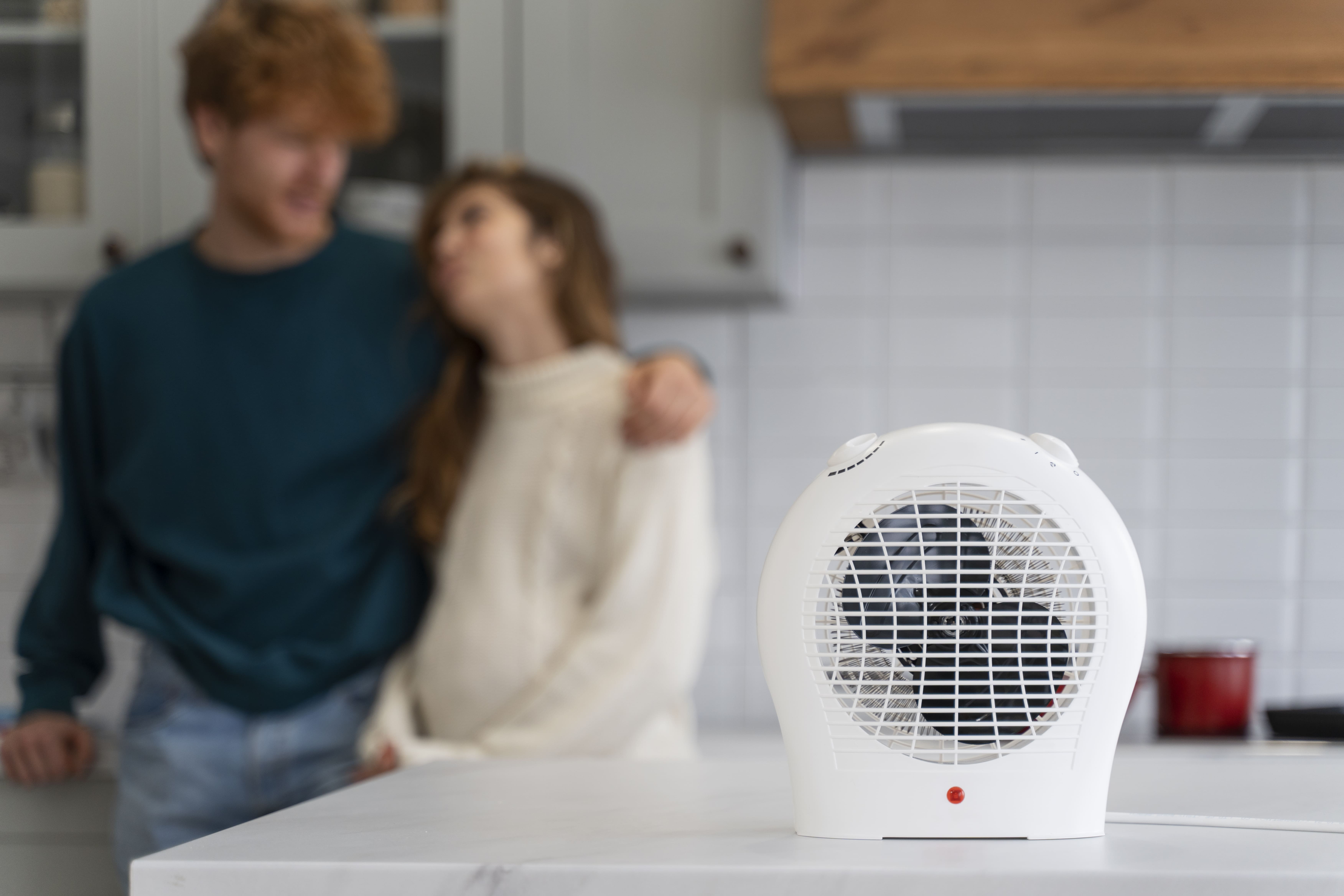
Heating Tune-up in Santa Ana, CA
A seasonal heating tune-up is a practical, cost-effective step to keep your home comfortable, safe, and energy efficient during cooler months in Santa Ana. Even though winters here are mild compared with inland areas, nightly temperature drops, coastal humidity, and seasonal dust from Santa Ana winds can stress heating systems. A professional tune-up addresses common trouble spots before they cause breakdowns, improves system efficiency, and reduces the risk of unsafe operation.
Why a heating tune-up matters for Santa Ana homes
- Santa Ana nights and occasional cold snaps mean furnaces and heat pumps run intermittently; preventive maintenance reduces surprise failures.
- Coastal moisture and salt air can accelerate corrosion on outdoor components of heat pumps or furnaces in homes near the shoreline.
- Seasonal dust and allergens often clog filters and combustion components after summer, cutting efficiency and air quality.
- Older systems that have not been maintained are more likely to fail during the first cold period of the year.
Common heating problems in Santa Ana and how tune-ups help
- Clogged air filters causing reduced airflow and short cycling. Filter checks and replacement restore airflow and efficiency.
- Ignition or burner problems leading to intermittent heating or failure to start. Inspection and cleaning of burners and ignition systems improve reliability.
- Poor thermostat calibration causing uneven temperatures or overrun. Calibration and system testing restore accurate control.
- Blower motor or belt wear producing reduced airflow or unusual noise. Lubrication, belt replacement, or motor checks prolong service life.
- Combustion inefficiency or unsafe flue operation in gas furnaces. Combustion analysis detects carbon monoxide risk and improves safety.
- Corroded or dirty heat exchanger and outdoor components. Visual inspections and targeted cleaning prevent leaks and performance loss.
What a heating tune-up includes (clear checklist)
A comprehensive tune-up follows a predictable checklist to confirm safe, efficient operation. Core items typically include:
- Filter check and replacement as needed to restore airflow and air quality.
- Burner and ignition inspection and cleaning for reliable startup and steady flame.
- Thermostat calibration and function test to ensure accurate temperature control and programming.
- Safety control tests such as limit switch, pressure switches, and electrical safety components.
- Combustion analysis where applicable to measure CO, combustion efficiency, and safe venting on gas appliances.
- Blower motor inspection, lubrication, and belt check to reduce noise and maintain airflow.
- Electrical connection inspection and tightening to prevent shorts and improve reliability.
- Heat exchanger and venting visual inspection to identify cracks, corrosion, or blockages.
- Coil and heat-transfer surface cleaning on furnaces and heat pumps to restore efficiency.
- System performance check including start/stop cycles and overall operation under load.
What to expect after the tune-up
- Improved reliability with reduced risk of mid-season failures.
- Better energy efficiency, lowering monthly heating costs and reducing wear.
- More consistent home comfort through accurate thermostat control and stable airflow.
- Enhanced safety by identifying combustion issues or carbon monoxide risks.
- Extended equipment life as worn components are found and corrected before causing larger failures.
Recommended frequency and timing
- Perform a full heating tune-up annually, ideally in early fall before the first sustained use of heating equipment.
- In Santa Ana, consider scheduling in September or October to avoid service delays during sudden cold snaps.
- Homes with older systems, high dust loads, or those near the coast may benefit from semiannual checks or additional inspections for corrosion and outdoor unit condition.
When a tune-up reveals bigger problems
During a tune-up, a technician may identify issues that go beyond routine maintenance:
- Cracked heat exchanger typically requires immediate replacement due to safety concerns.
- Major component failure such as a failing blower motor or compressor may indicate repair or near-term replacement.
- Persistent combustion inefficiency may point to venting problems or aging equipment that cannot be fully corrected by cleaning.If significant safety risks or end-of-life signs are present, weigh the cost of repair against system replacement, considering age, remaining efficiency, and expected operating costs in Santa Ana conditions.
Preparing your home for a preventive tune-up
Simple preparations help the visit run smoothly and get the most from the service:
- Clear at least 3 feet of space around indoor units and the thermostat area.
- Note any recent performance issues (short cycling, strange noises, uneven rooms) and the system age and model if available.
- Replace a disposable filter if it is visibly dirty before the appointment, or have the filter size ready.
- Ensure access to outdoor units and unobstructed venting paths.
Practical scheduling tips without delay
- Book annual tune-ups in early fall to avoid peak demand during cold snaps.
- Ask for documentation of what was inspected and any measurements taken, such as combustion efficiency results or refrigeration pressures.
- Verify credentials like local licensing and standard industry certifications when choosing a technician.
- Keep a service record folder to track past tune-ups, repairs, and replacement parts; this helps with warranty claims and resale value.
Safety and compliance considerations
Combustion analysis and carbon monoxide checks are critical safety steps for any gas-fired system. Proper venting, secure electrical connections, and intact heat exchangers are nonnegotiable for safe operation. Local code requirements and manufacturer maintenance recommendations should guide the scope and frequency of inspections.
A thorough heating tune-up is a strategic, decision-stage step for Santa Ana homeowners who want dependable, efficient heating and peace of mind when temperatures drop. Regular preventive maintenance protects comfort, reduces unexpected costs, and helps systems operate safely in the specific climate and environmental conditions of Santa Ana, CA.
Customer
Testimonials
Our customers consistently praise the exceptional service and professionalism of our team. They appreciate the honest advice, meticulous work, and the care taken to ensure their satisfaction.

.webp)
Service Areas
