

Heating Repair in Santa Ana, CA

Heating repair in Santa Ana, CA provides fast, reliable solutions for restoring warmth and efficiency in homes and businesses. Skilled technicians handle all major systems, including furnaces, heat pumps, and boilers, using a structured diagnostic process to identify and resolve issues quickly. The service includes on-site assessments, part replacements, performance testing, and clear communication on pricing and response times. Homeowners also receive preventive maintenance tips and guidance for handling emergency or after-hours situations. With a focus on safety, transparency, and long-term reliability, professional heating repair ensures cost-effective comfort and lasting protection for your equipment and energy efficiency.
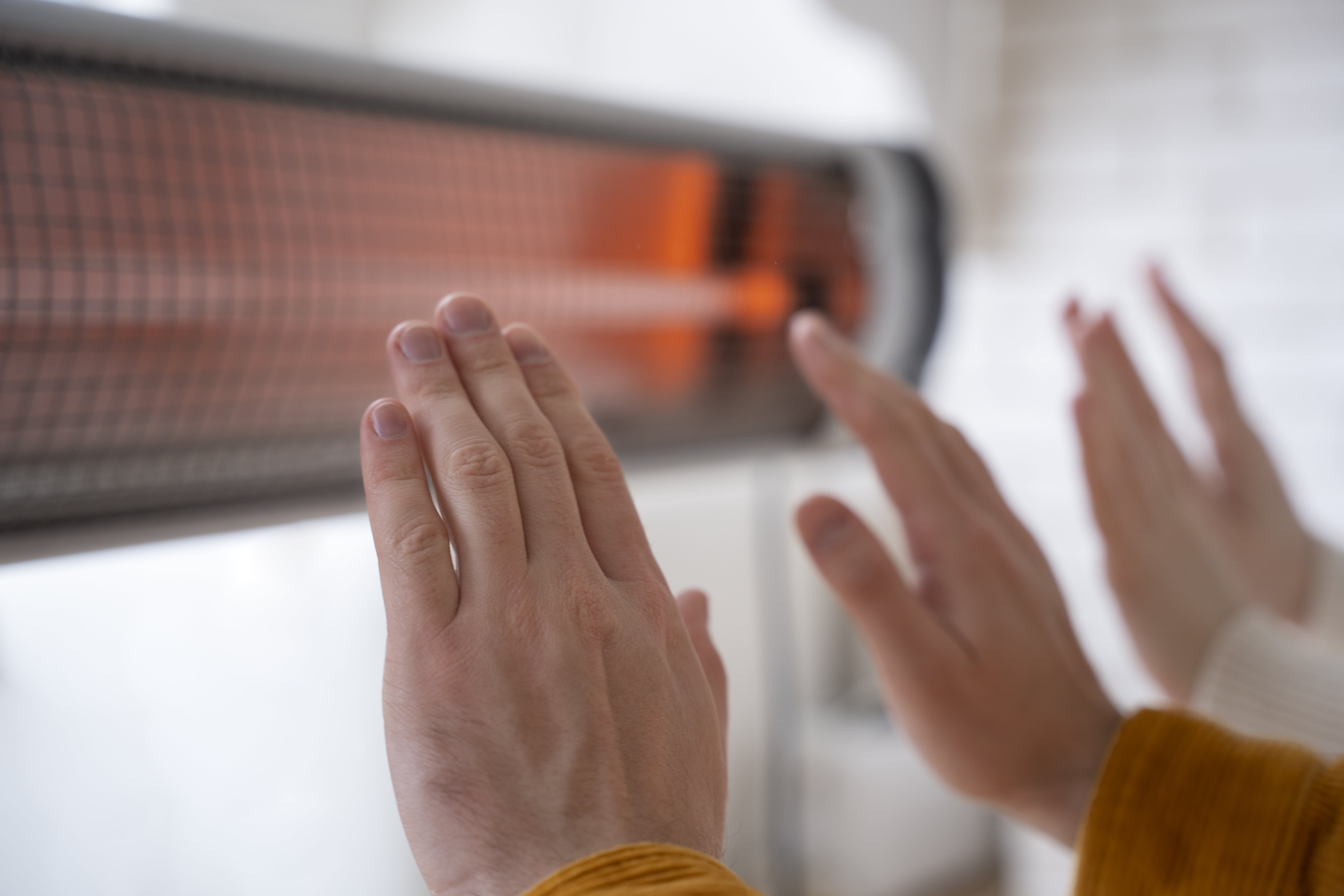
Heating Repair in Santa Ana, CA
Heating repair in Santa Ana, CA is focused on keeping homes comfortable through mild coastal winters, occasional cold snaps, and nights when temperatures dip. Even though Orange County winters are relatively mild, dysfunctional furnaces, heat pumps, and boilers still leave families without reliable warmth and can create safety risks. This page explains common heating problems in Santa Ana homes, on-site diagnostic steps, typical repair methods for furnaces, heat pumps and boilers, parts replacement and testing protocols, expected response and repair timelines, how flat-rate vs hourly pricing works, preventive maintenance tips, and guidance for emergency or after-hours heating repairs.
Why timely heating repair matters in Santa Ana homes
Santa Ana climates are Mediterranean with cool, damp nights and occasional inland temperature drops. Many homes use heat pumps because they perform well in mild climates; older properties may rely on furnaces or hydronic boilers. Salt air and Santa Ana winds can increase outdoor unit corrosion and accelerate wear on metal components. Addressing heating issues promptly restores comfort, prevents secondary damage (frozen pipes are rare but possible in microclimates), and reduces energy waste that shows up on monthly bills.
Common heating repair issues in Santa Ana
- No heat at all or intermittent heating
- Weak airflow or cold spots in rooms
- Short cycling (system turns on and off frequently)
- Unusual noises: banging, clanking, grinding, or hissing
- High energy bills with reduced performance
- Thermostat not responding or inaccurate temperature control
- Pilot light or ignition failure on gas furnaces
- Heat pump not switching between heating and cooling modes
- Water leaks or pressure loss with boilers
- Odors or visible soot around combustion appliances
On-site diagnostic procedures
A professional heating repair technician will follow a structured diagnostic process to identify root causes quickly while prioritizing safety:
- Safety and visual inspection: Check for gas leaks, corrosion, burnt wiring, and obvious physical damage. Inspect outdoor heat pump or furnace vents for obstructions.
- Thermostat and control checks: Verify thermostat settings, wiring continuity, and calibration.
- Electrical testing: Measure voltage, current draw on motors and compressors, and check fuses and breakers.
- Airflow assessment: Inspect filters, blower motor operation, ductwork, and measure airflow at supply registers.
- Combustion and CO tests for gas appliances: Perform combustion analysis and carbon monoxide checks on furnaces and boilers.
- Refrigerant and pressure checks for heat pumps: Measure refrigerant pressures and temperatures, and look for leaks.
- Hydronic diagnostics for boilers: Check water pressure, circulator pump function, expansion tank status, and leak points.
Common repairs and methods by equipment type
Furnaces (gas or electric)
- Replace or repair igniters, flame sensors, and gas valves for ignition failures
- Replace blower motors, belts, capacitors, and bearings for airflow issues or noisy operation
- Repair or replace control boards and limit switches for short cycling
- Address cracked heat exchangers or significant corrosion (may require replacement)
Heat pumps
- Recharge refrigerant or repair leaks; replace compressors or reversing valves when needed
- Replace contactors, capacitors, and fan motors for starting and performance problems
- Repair or replace defrost controls and sensors to handle coastal humidity and salt-related corrosion
- Balance airflow and calibrate reversing operation for reliable heating mode
Boilers and hydronic systems
- Replace circulator pumps, zone valves, or faulty pressure controls
- Flush and treat system to minimize sediment and corrosion
- Repair leaks, replace expansion tanks, and test relief valves
- Service controls and ignition systems on gas-fired boilers
Parts replacement and post-repair testing
Technicians will recommend OEM or compatible replacement parts based on system age, warranty considerations, and long-term reliability. After parts replacement:
- Systems are run through multiple full cycles to verify consistent operation
- Temperature differentials (delta T) across coils or heat exchangers are measured
- Combustion efficiency and CO are rechecked for gas appliances
- Refrigerant charge and static pressures are verified for heat pumps
- Leak checks are performed on refrigerant and hydronic lines
- Final safety checks include electrical tightening and secure mounting of components
Estimated response and repair times
- Initial response: For emergency heating failures (no heat during cold nights, gas smell, or CO alarms), same-day response is typical. Non-emergency diagnostics often occur within 24 to 48 hours depending on seasonal demand.
- Diagnostic visit: 30 minutes to 1.5 hours, depending on system complexity and accessibility.
- Simple repairs: 30 minutes to 2 hours for items like filters, thermostats, capacitors, or ignition components.
- Moderate repairs: 2 to 6 hours to replace major components like motors, circulator pumps, or control boards.
- Major repairs or parts special order: 1 to 3 days or longer when compressors, heat exchangers, or specialty parts must be ordered.
These ranges reflect typical conditions in Santa Ana; coastal corrosion or older systems may increase diagnostic or repair time.
Flat-rate vs hourly pricing: what to expect
- Flat-rate pricing: Common for defined repairs and replacements. Pros include predictable cost for standard services such as capacitor replacement, thermostat swaps, or compressor replacement. Flat rates are useful when the fault and scope are clear.
- Hourly pricing: Often used for complex diagnostics, custom work, or when multiple potential failure points exist. Pros include transparency for non-standard work and only paying for actual labor time.
- Best practice: Look for a written estimate that outlines labor basis (flat vs hourly), parts to be installed, warranty on parts and labor, and any contingency for additional issues found during repair.
Preventing future breakdowns in Santa Ana homes
- Schedule annual heating tune-ups before the cooler season; heat pumps benefit from a spring or fall service
- Replace air filters every 1 to 3 months depending on use and indoor air quality
- Keep outdoor units clear of debris and rinse salt residue periodically to reduce corrosion
- Insulate exposed pipes and maintain proper attic and duct insulation to reduce load
- Install a programmable thermostat and verify its calibration annually
- Address small issues quickly: odd noises or rising bills often indicate a developing fault
Emergency and after-hours heating repairs
Emergency situations include lack of heat during a cold night, the smell of gas, or carbon monoxide alarm activation. In those cases:
- Prioritize safety: turn off gas if you suspect a leak, ventilate the home, and evacuate if CO levels are suspected
- Expect emergency dispatch procedures that assess safety first, then provide temporary measures or full repair if possible
- After-hours work often involves additional service fees; technicians will typically stabilize the system and schedule permanent repairs if parts are required
Timely, expert heating repair in Santa Ana, CA prevents discomfort, reduces energy costs, and mitigates safety risks. Understanding common heating repair issues in Santa Ana homes, what an on-site diagnostic includes, typical repair methods, how parts are tested, and what to expect for response times and pricing helps you make informed decisions when a heating system needs service.
Customer
Testimonials
Our customers consistently praise the exceptional service and professionalism of our team. They appreciate the honest advice, meticulous work, and the care taken to ensure their satisfaction.

.webp)
Service Areas
