

Heating Installation in Santa Ana, CA

Heating installation in Santa Ana, CA offers a complete, step-by-step process designed to ensure efficiency, safety, and year-round comfort. The service begins with a detailed home assessment that includes evaluating insulation, windows, and ductwork, followed by precise Manual J load calculations to determine proper system sizing. Technicians help homeowners select high-efficiency equipment suited to Santa Ana’s coastal and inland climates, manage permitting, and perform expert installation with accurate refrigerant charging, electrical connections, and duct sealing. Post-installation testing verifies performance and code compliance, while available rebates, financing options, warranties, and maintenance plans help protect the investment and ensure long-term reliability.
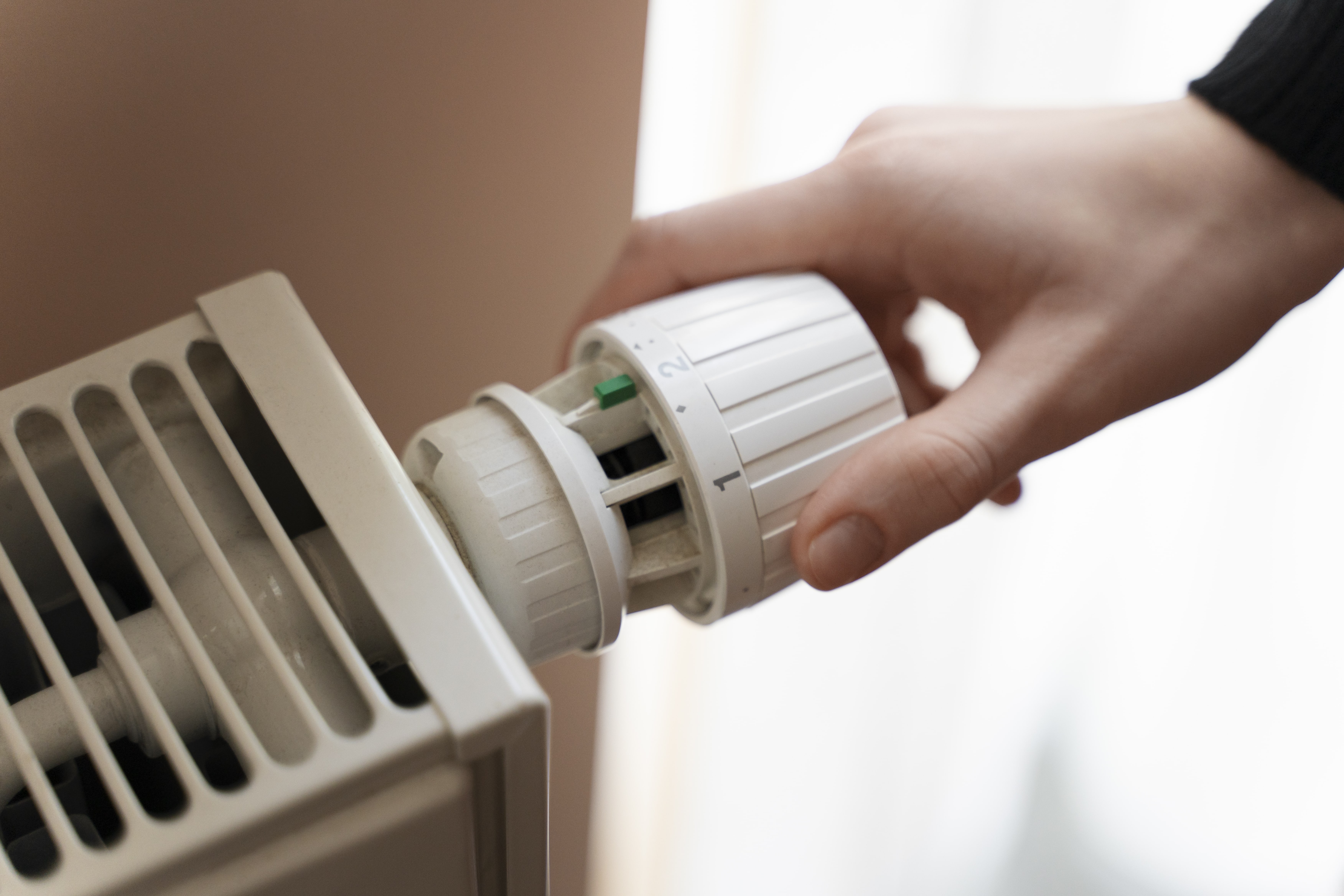
Heating Installation in Santa Ana, CA
Installing a new heating system is a decision that affects comfort, energy bills, and indoor air quality for years. In Santa Ana, CA, where winters are mild but nighttime temperatures and coastal microclimates make reliable heat important, a professional heating installation ensures your home stays comfortable and efficient. This page explains the full process for heating installation in Santa Ana, CA: how we evaluate your home, choose equipment, handle permits and inspections, complete professional installation and commissioning, and set you up with warranties, rebates, and maintenance best practices.
Why a professional heating installation matters in Santa Ana, CA
Santa Ana homes experience a Mediterranean climate with cool nights, marine layers, and occasional rapid temperature swings. Even though heating runs fewer hours than in colder regions, inefficient or undersized systems can lead to uneven comfort, higher energy use, and premature equipment wear. A professional installation tailored to your specific building type—whether a single-family home, condo, or older bungalow—delivers consistent comfort, maximizes equipment efficiency, and ensures compliance with California energy rules and local permitting.
Common heating installation types and when each is right
- Gas furnaces (high-efficiency AFUE models): Best for homes with existing gas service and duct systems. Look for higher AFUE ratings for better fuel efficiency.
- Heat pumps (air-source or ductless mini-splits): Excellent for Santa Ana’s climate. Provide both heating and cooling with strong seasonal efficiency measured by HSPF (heating) and SEER (cooling).
- Hybrid systems: Combine a heat pump and furnace for optimized performance across seasonal conditions.
- Package units or rooftop units: Common for multi-family or commercial buildings.
- Ductless mini-splits: Ideal for room-by-room control, older homes without ductwork, or targeted comfort zones.
Step 1 — Assessment and load calculations
A correct installation starts with a thorough assessment, not just replacing an old unit. Key steps:
- Home survey: Inspect insulation, window orientation, conditioned square footage, and existing ductwork or wall locations for mini-splits.
- Load calculation: Perform a Manual J load calculation to determine exact heating demand. This prevents undersizing (insufficient heat) or oversizing (short cycling and inefficiency).
- Duct design: Use Manual D for ductwork planning and airflow requirements. Poorly sized or leaky ducts are a common cause of comfort complaints in Orange County homes.
- Equipment sizing guidance: Apply Manual S to match the calculated load to equipment that will run efficiently in local conditions.
Step 2 — Equipment selection and efficiency considerations
Choosing the right system involves balancing comfort, efficiency, and upfront cost:
- Furnace efficiency: AFUE (Annual Fuel Utilization Efficiency) indicates how much fuel becomes heat. In Santa Ana, a higher AFUE reduces gas usage during cooler months.
- Heat pump metrics: SEER (cooling efficiency) and HSPF (heating efficiency) matter because heat pumps run year-round for heating and cooling. Higher SEER/HSPF ratings mean lower utility bills.
- Sizing and staging: Modern systems offer multi-stage or modulating compressors and variable-speed blower motors that improve comfort and reduce short cycling.
- Indoor air quality accessories: Consider media filters, UV lights, and energy recovery ventilators to help with ventilation and pollutant control, especially in tightly sealed homes.
Step 3 — Permits and inspections
Santa Ana requires permits and inspections for most new heating installations or major equipment changes. Typical items:
- Building and mechanical permits filed with the City of Santa Ana
- Compliance with California energy standards (including Title 24 requirements) and local codes
- Final inspection to verify proper installation, ventilation, and safety systems
Proper permitting protects your property value and ensures the system meets local safety and efficiency standards.
Step 4 — Professional installation process
A professional installation follows a standardized workflow to ensure reliability:
- Site preparation and safety checks
- Removal and responsible disposal of old equipment
- Precise mounting and secure connections for new equipment
- Correct refrigerant charging and electrical hookups for heat pumps
- Gas line connections and combustion safety checks for furnaces
- Duct sealing, balancing, and insulation where needed
- Thermostat installation and zoning setup if applicable
Technicians use calibrated tools and follow manufacturer specifications to maintain warranties and ensure peak performance.
Step 5 — Post-installation testing and commissioning
Commissioning validates the system’s performance. Typical tests include:
- Airflow verification and duct leakage testing
- Refrigerant charge and operating pressure checks for heat pumps
- Combustion analysis and carbon monoxide testing for gas furnaces
- Thermostat calibration and control verification
- Noise and vibration checks, and verification of electrical safetyA thorough commissioning report documents results and helps with future service and warranty claims.
Rebates, financing options, and incentives
Homeowners in Santa Ana may qualify for state and federal incentives, utility rebates, and manufacturer promotions that lower the net cost of high-efficiency systems. Options commonly include:
- Local utility rebates for qualifying high-efficiency heat pumps and furnaces
- Federal tax credits for certain energy-efficient upgrades
- Low-interest financing or monthly payment programs for home energy improvementsAlways confirm current programs and eligibility before purchase; many incentives require specific equipment ratings and certified installers.
Warranty, registration, and maintenance recommendations
- Manufacturer warranties: Register equipment promptly to secure full warranty coverage. Many manufacturers require professional installation by a licensed contractor.
- Service plans: Annual maintenance preserves efficiency and catches small issues before they become expensive repairs. Recommended tasks include filter changes, burner and ignition checks, refrigerant level checks, and electrical tightening.
- Maintenance schedule: Annual furnace or heat pump tune-up, filter changes every 1–3 months depending on use, and duct inspections every few years.
- Documentation: Keep manuals, permits, and the commissioning report in a dedicated file for future resale or warranty claims.
Benefits of doing it right the first time
A properly designed and installed heating system in Santa Ana, CA delivers:
- Consistent comfort across coastal and inland microclimates
- Lower energy bills through optimized efficiency (AFUE, SEER, HSPF)
- Reduced long-term repair costs and longer equipment life
- Compliance with local codes and eligibility for rebates
- Better indoor air quality and quieter operation
Proper installation is an upfront investment that safeguards comfort and value. For Santa Ana homes, a system chosen and installed with local climate, building characteristics, and code requirements in mind delivers the best long-term performance and satisfaction.
Customer
Testimonials
Our customers consistently praise the exceptional service and professionalism of our team. They appreciate the honest advice, meticulous work, and the care taken to ensure their satisfaction.

.webp)
Service Areas
