

Heating Tune-up in San Gabriel, CA

In San Gabriel, CA, Plum HVAC delivers a comprehensive heating inspection and preventative service specifically designed to improve safety, efficiency, and reliability for local climate conditions. Our checklist covers filters, burners, ignition, thermostat calibration, safety controls, airflow, electrical connections, combustion analysis, lubrication, and a full performance test. Regular maintenance with Plum HVAC truly reduces mid-season breakdowns, extends equipment life, and preserves warranties. Homeowners will learn what's considered routine maintenance versus repairs, what to expect during a visit, and simple steps to maintain performance between tune-ups, ensuring lasting comfort.
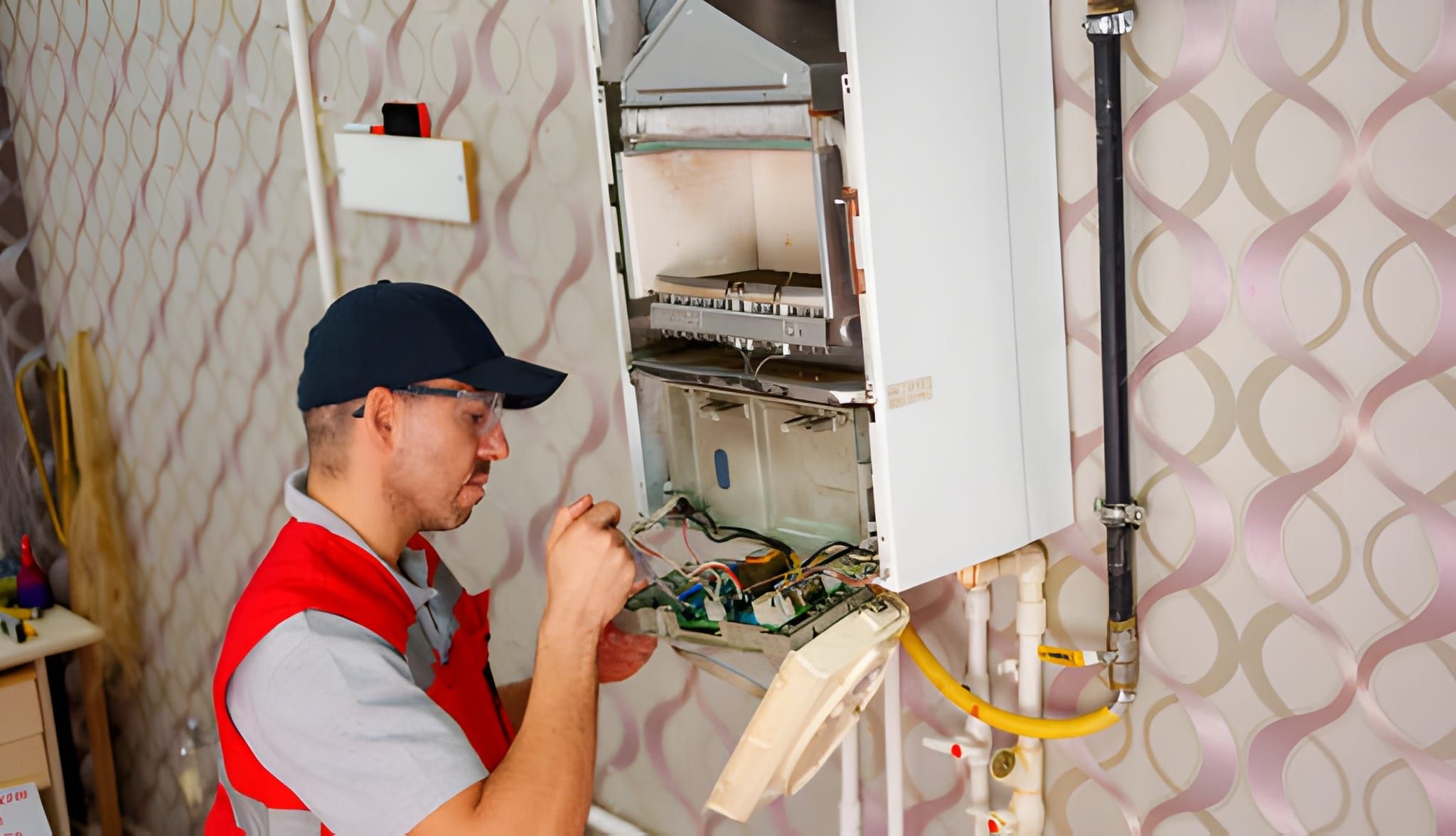
Heating Tune-up in San Gabriel, CA
A seasonal heating tune-up keeps your system efficient, reliable, and safe when San Gabriel’s cooler evenings arrive. Even though Southern California winters are mild compared with other regions, temperature swings, Santa Ana dust, and occasional cold snaps make a properly maintained heating system important for comfort and energy savings. This page outlines what a professional heating tune-up in San Gabriel, CA includes, common local issues, the benefits of timely maintenance, recommended frequency, and what to expect during service.
Why a heating tune-up matters in San Gabriel, CA
San Gabriel’s climate brings moderate winter use but higher risks from dust, pollen, and periodic poor outdoor air quality from regional wildfires. Systems that sit idle for months can develop clogged filters, sticky components, or degraded safety controls. A tune-up restores proper operation, reduces the chance of a mid-season breakdown, and helps your system run more efficiently during the times you need heat.
Standard heating tune-up checklist
A complete, professional heating tune-up typically covers these essential items. These checks target performance, longevity, safety, and indoor air quality.
- Filter inspection and replacement: Verify filter type and condition; replace or recommend the correct MERV rating for your home to balance filtration and airflow.
- Burner and heat exchanger inspection: Clean burners and inspect the heat exchanger for cracks or signs of corrosion that could affect combustion or safety.
- Ignition and pilot system check: Confirm reliable ignition, stable flame pattern, and correct pilot operation on gas systems.
- Thermostat calibration and settings: Calibrate the thermostat for accurate temperature control; verify programmable or smart settings for efficiency.
- Safety controls testing: Test limit switches, pressure switches, flame sensors, and other safety devices to confirm they operate within manufacturer specifications.
- Airflow and venting checks: Measure airflow, inspect ductwork connections and return paths, check vent termination for blockages and proper draft.
- Electrical connections and controls: Tighten electrical terminals, inspect control boards, and verify proper sequence of operation.
- Combustion analysis (when applicable): Measure combustion efficiency and CO levels on gas-fired equipment to confirm safe operation.
- Lubrication and moving parts: Lubricate blower motors and inspect belts/drive assemblies.
- System performance test: Run the system through a heating cycle to confirm stable temperatures, runtime, and cycling behavior.
Common heating problems in San Gabriel homes
Understanding local patterns helps prioritize issues that often show up here:
- Increased dust and clogged filters after summer dust storms or Santa Ana winds, leading to reduced airflow and higher energy use.
- Pollen and wildfire smoke residues that degrade indoor air quality and strain filtration systems.
- Intermittent pilot or ignition problems in gas furnaces caused by age or infrequent use.
- Short cycling or uneven heating due to thermostat miscalibration or restricted airflow.
- Corroded or cracked heat exchangers in older systems exposed to coastal moisture variations or combustion wear.
What the technician diagnoses and how problems are fixed
Technicians begin with a full inspection, diagnostic measurements, and testing. Typical corrective actions include:
- Replacing filters and cleaning blower assemblies to restore airflow.
- Adjusting gas pressure and burner alignment or cleaning burners to improve combustion efficiency.
- Replacing worn belts, lubricating bearings, and tightening electrical connections to prevent failures.
- Calibrating or recommending thermostat upgrades for better temperature control and energy savings.
- Repairing or flagging heat exchangers and safety controls if signs of wear or unsafe conditions are present.
Technicians will document findings and explain which items are routine maintenance versus repairs that require parts replacement.
Recommended tune-up frequency
- Annual heating tune-up: Strongly recommended for most forced-air furnaces and boiler systems—schedule before the heating season (late summer to early fall in San Gabriel) to ensure readiness.
- Heat pump systems: Ideally inspected twice per year—once before cooling season and once before heating season—because they handle both heating and cooling duties.
- Older systems or heavy-use homes: Consider semiannual checkups if equipment is over 10–15 years old or shows recurring issues.
Regular, scheduled maintenance also helps preserve manufacturer warranties and minimizes unexpected repair costs.
Benefits you’ll notice after a tune-up
- Improved efficiency: Cleaner burners and optimized airflow reduce energy consumption and lower utility bills during heating periods.
- Greater reliability: Early detection of worn components reduces the risk of mid-season breakdowns.
- Extended equipment life: Routine care minimizes wear and prevents collateral damage that shortens system lifespan.
- Better indoor air quality: Proper filtration and cleaned components reduce dust, pollen, and smoke particulates circulating in your home.
- Safety assurance: Tests for combustion and safety controls lower the risk of carbon monoxide exposure or unsafe operation.
Signs you need immediate service
Schedule professional inspection if you notice any of these symptoms:
- Strange or persistent odors when the system runs (especially burning or metallic smells)
- Soot, rust, or visible damage near the heat source
- Uneven heating, rooms that never reach set temperature, or frequent on/off cycling
- Significant, unexplained increases in energy bills
- Any triggered carbon monoxide alarm or symptoms of CO exposure
These signs may indicate serious issues that need prompt professional attention.
What to expect during a tune-up visit
- A technician will perform the checklist items listed above, typically completing the service in one visit (time varies by system age and condition).
- You will receive a clear summary of findings: what was serviced, what was replaced, and what repairs or future monitoring are recommended.
- Technicians can advise on filter type, thermostat programming for local climate patterns, and simple homeowner maintenance steps to keep performance optimal between visits.
Homeowner maintenance tips between tune-ups
- Change disposable filters every 1 to 3 months depending on usage and filtration level.
- Keep return vents and supply registers free of furniture and obstructions to preserve airflow.
- Program thermostats to minimize runtime when no one is home and avoid large temperature setbacks during cold snaps.
- Seal obvious duct leaks and insulate accessible ducts in unconditioned spaces to reduce heat loss.
- Monitor indoor air quality during regional wildfire events and increase filtration or run air purifiers as needed.
Customer
Testimonials
Our customers consistently praise the exceptional service and professionalism of our team. They appreciate the honest advice, meticulous work, and the care taken to ensure their satisfaction.

.webp)
Service Areas
