

Heating Maintenance in San Gabriel, CA

Provides a comprehensive overview of heating maintenance for homes in San Gabriel, CA, outlining ongoing maintenance programs, one-time service options, and the typical tasks technicians perform. Explains how regular tune-ups improve efficiency, extend equipment life, support warranty requirements, and reduce unexpected breakdowns. Highlights service options for gas furnaces, heat pumps, and ductless systems, scheduling, documentation, and warranties. Emphasizes energy savings, comfort, and proactive care tailored to San Gabriel's climate and air quality conditions. The page also explains how to review maintenance plans and access records.
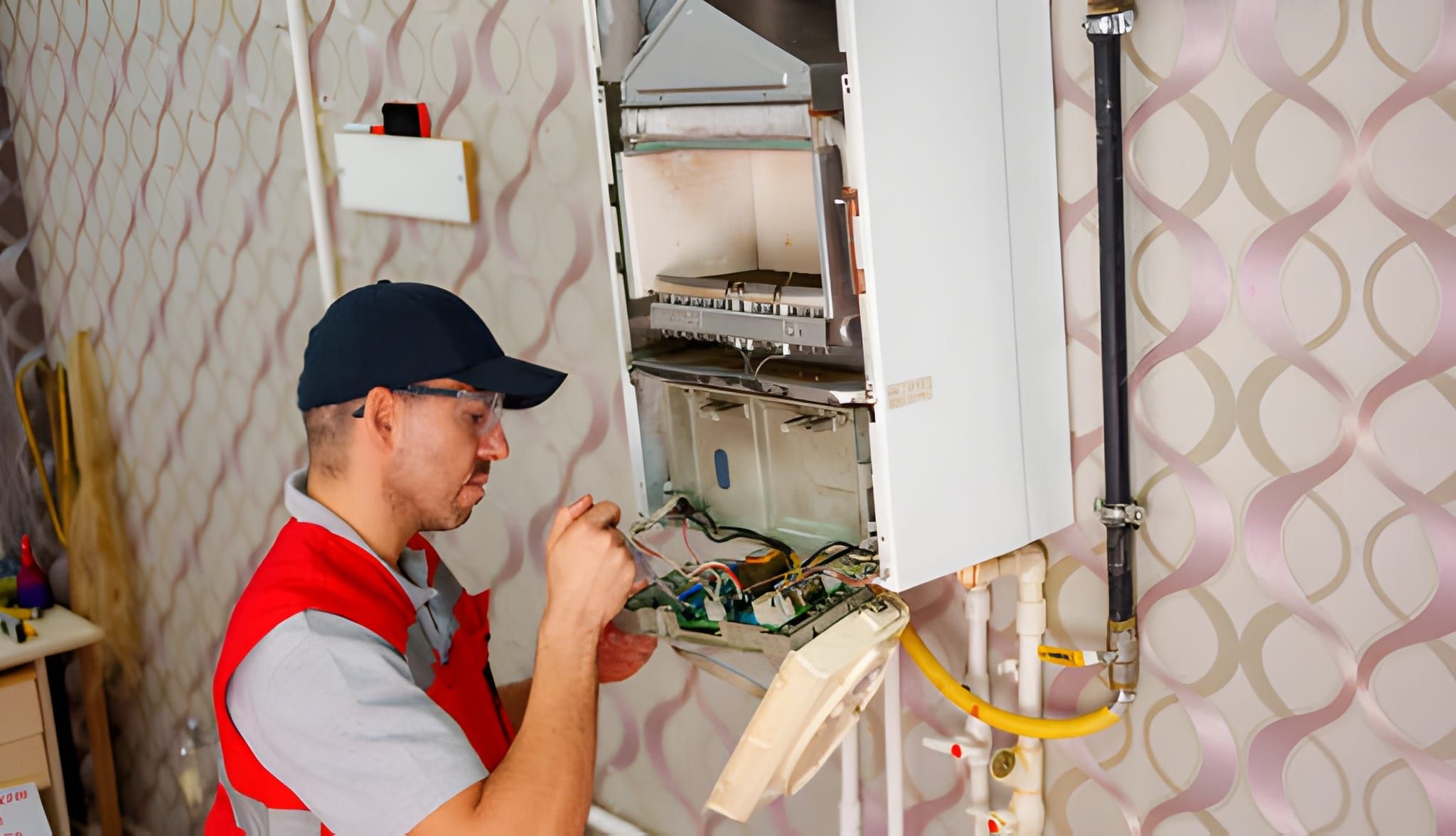
Why heating maintenance matters in San Gabriel
San Gabriel has mild winters, but temperature swings, valley microclimates, and occasional Santa Ana winds or wildfire smoke mean heating systems run hard at times and need protection from dust and air quality impacts. Homes here often use gas furnaces, heat pumps, or ductless mini-splits. Regular maintenance keeps systems working efficiently during seasonal changes and helps manage issues caused by airborne particulates and pollen common in the region. Proper maintenance also preserves manufacturer warranties that typically require annual service.
Common heating problems in San Gabriel homes
- Dirty or clogged filters that reduce airflow and force systems to work harder
- Ignition or pilot failures on older gas furnaces due to soot or wear
- Reduced efficiency from uncalibrated thermostats or improper settings
- Wear on blower motors, belts, and bearings leading to noisy operation or failure
- Blocked vents or restricted ductwork that create cold spots and uneven heating
- Condensate drain clogs on high efficiency equipment, causing shutdowns or water damage
- Corroded or cracked heat exchangers in older furnaces that pose safety risks
- Refrigerant or compressor issues in heat pumps that cut heating capacity
Types of maintenance services offered
- Standard Annual Tune Up: Comprehensive inspection and preventive service for gas furnaces or heat pumps, recommended at least once per year
- Biannual Heat Pump Service: Separate spring and fall visits to check both cooling and heating performance for heat pumps
- One-Time Safety Inspection: Carbon monoxide check, combustion analysis, and safety controls verification for concern-driven visits
- Pre-Season Start Up: System readiness check before the first cold spell to reduce the chance of emergency failures
- Emergency Diagnostic Visit: Fast assessment and temporary measures to restore safe operation until parts or repairs can be completed
What a typical maintenance visit includes
A professional maintenance visit follows a consistent checklist to diagnose, service, and document system condition. Typical tasks include:
- Replace or inspect air filters and recommend replacement frequency based on indoor air quality and smoke exposure
- Inspect and clean burners, ignition components, and combustion chambers for gas systems
- Perform combustion analysis and carbon monoxide testing for safe operation
- Check blower motor, belts, bearings, and lubricate moving parts where applicable
- Verify thermostat calibration and program smart thermostats for efficient schedules
- Inspect heat exchanger for cracks and corrosion on older furnaces
- Test electrical connections, relays, capacitors, and safety controls to prevent failures
- Clear and inspect flue, venting, and condensate drains for blockages
- Measure system pressures and temperatures for heat pumps; check refrigerant levels and reversing valves
- Check ductwork where accessible for leaks, insulation issues, or disconnected runs
- Provide airflow and distribution assessment to identify cold spots or imbalances
Customizable maintenance agreements
Maintenance agreements are tailored to match home needs, equipment type, and local conditions in San Gabriel. Common options include:
- Frequency: annual, biannual, or seasonal plans for heat pumps
- Coverage level: inspection only, inspection plus priority scheduling, or inspection plus discounted parts and labor
- Add-ons: filter delivery and replacement program, indoor air quality checks, UV or media filter maintenance, and duct cleaning discounts
- Scheduling and reminders: automated email or text reminders, pre-season scheduling to lock in preferred dates, and next-service calendar entries
- Priority response during peak season for plan members, helping avoid long delays in colder weather
Documentation after each visit
Every maintenance visit generates a clear service report that includes:
- Checklist of performed tasks and measured values such as combustion numbers, refrigerant pressures, and airflow readings
- Photos of notable findings when relevant, such as corroded components or damaged venting
- Recommended repairs or replacements and estimated service life of major components
- Notes about warranty-related requirements and whether the visit meets manufacturer maintenance stipulations
- Next service due date and suggested frequency based on current system condition and local factors
These records are useful for warranty claims, insurance documentation, and tracking equipment lifespan and performance over time.
How maintenance supports warranty compliance
Most HVAC manufacturers require proof of regular maintenance to keep warranties valid. Proper service documentation showing annual or recommended visits, filter changes, and safety checks helps protect repair or replacement claims. Technicians will record actions aligned with manufacturer checklists and note any issues that could affect coverage. For homes in San Gabriel, where environmental factors like wildfire smoke can accelerate wear, keeping up with documented maintenance is especially important.
Energy savings and longer equipment life
Well-maintained systems operate closer to original performance levels. Benefits include:
- Lower energy bills due to clean burners, optimal airflow, and correct refrigerant charge or gas pressure
- Fewer mid-winter failures because worn components are identified and corrected before they break
- Extended lifespan for major components such as compressors, heat exchangers, and blower motors
- Improved indoor comfort through balanced airflow and accurate thermostat control
Small adjustments during maintenance, like sealing minor duct leaks or correcting thermostat settings, often produce measurable efficiency gains without major investments.
Maintenance tips tailored to San Gabriel homeowners
- Check and change filters every 1 to 3 months; after wildfire smoke events consider more frequent changes
- Schedule furnace tune ups in late fall and heat pump checks in both spring and fall
- Keep vents and returns clear of furniture and carpets to ensure good airflow
- Document unusual odors or noises and schedule a safety inspection if you suspect combustion problems
- Consider upgrading to a programmable or smart thermostat to maximize energy savings in a mild climate
Regular maintenance protects comfort, reduces unexpected costs, and preserves warranty coverage. For San Gabriel homes, proactive care that accounts for seasonal smoke, dust, and microclimate variation is a practical approach to reliable heating performance year after year.
Customer
Testimonials
Our customers consistently praise the exceptional service and professionalism of our team. They appreciate the honest advice, meticulous work, and the care taken to ensure their satisfaction.

.webp)
Service Areas
