

Heating Tune-up in San Fernando, CA

In San Fernando, CA, Plum HVAC heating tune-ups are absolutely essential for reliability, safety, and energy efficiency. We cover common local issues such as dust buildup, gas furnace wear, and ductwork concerns, and outline a comprehensive checklist including everything from filters and thermostats to burners, ignition systems, lubrication, and combustion safety. Our diagnostics include flame stability, airflow, and venting analysis, followed by practical maintenance recommendations and repair options. Regular tune-ups with Plum HVAC extend equipment life, protect safety, and improve comfort and efficiency. We always emphasize preventive care and valuable cost savings.
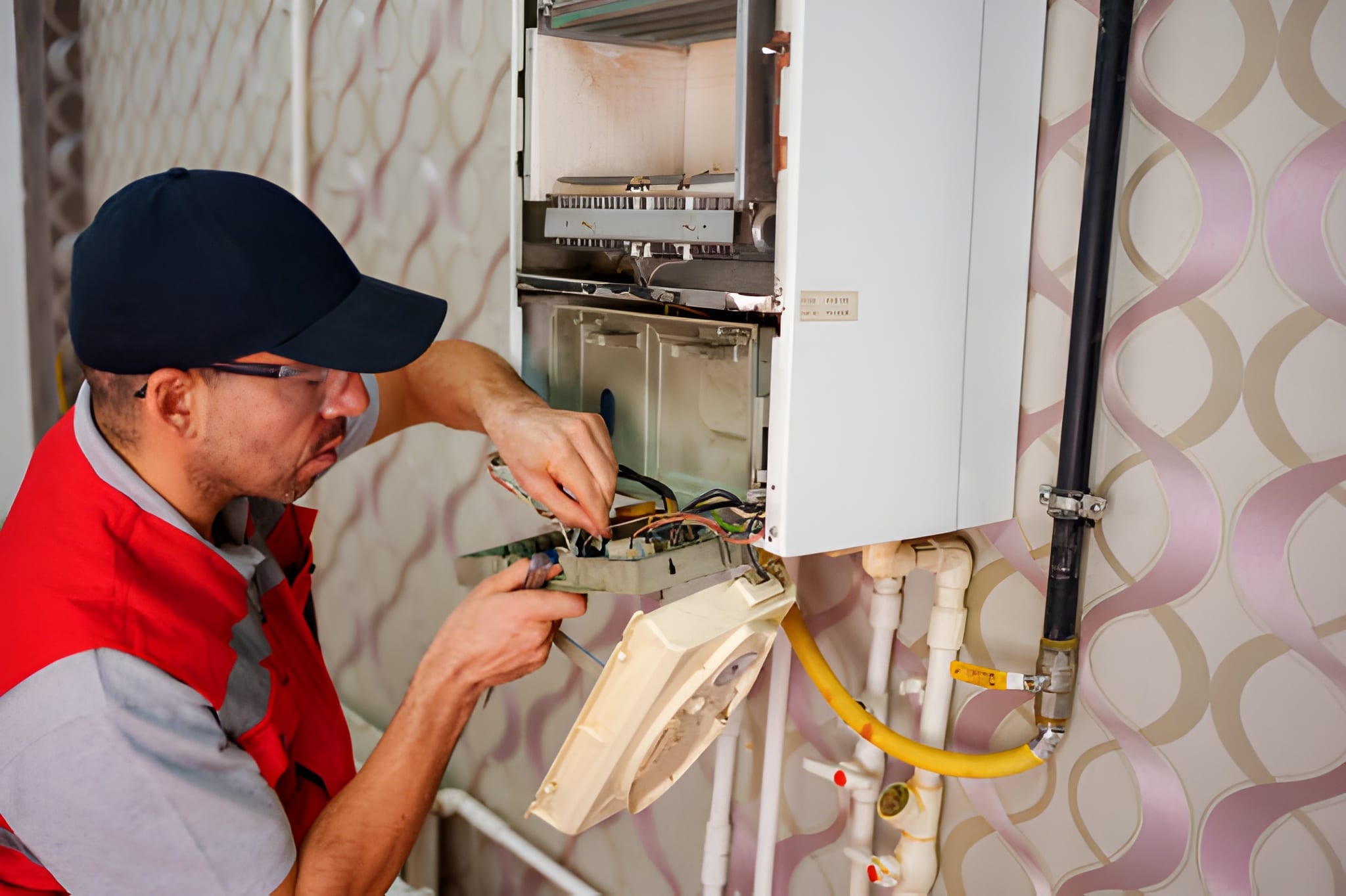
Heating Tune-up in San Fernando, CA
Keeping your heating system tuned and ready is an important part of home comfort in San Fernando, CA. Even though winters in the San Fernando Valley are milder than in other regions, cooler nights, marine layer periods, and occasional cold snaps mean your furnace or heating equipment needs reliable performance when you need it. A professional heating tune-up addresses common problems before they become breakdowns, improves efficiency, and reduces safety risks like carbon monoxide exposure.
Why a seasonal heating tune-up matters in San Fernando homes
- San Fernando homes often use gas furnaces, heat pumps, or packaged systems that sit idle for months during the hot season. Lack of use can allow dust buildup, sticky controls, or degraded lubrication to affect performance.
- Valley temperature swings and the region dust environment increase strain on filters and blower components, reducing airflow and efficiency.
- Older homes in the area may have dated ductwork or thermostats that benefit from calibration and airflow balancing during a tune-up.A tune-up ensures your system starts reliably, runs safely, and uses less energy when San Fernando nights get cool.
Common heating problems we find in San Fernando
- Dirty or clogged air filters restricting airflow and increasing system run time
- Thermostats out of calibration causing uneven temperatures or short cycling
- Worn blower motors or belts producing noise or reduced airflow
- Improper burner combustion or surface rust in older gas furnaces
- Cracked heat exchangers or loose venting that raise carbon monoxide risk
- Ignition failures, pilot issues, or weak flame stability in gas systemsIdentifying these issues during a tune-up prevents emergency service calls and stabilizes monthly energy use.
Standard heating tune-up checklist
A complete heating tune-up for San Fernando homes typically includes the following tasks and inspections:
- Filter inspection and replacement or recommendation for the correct MERV level
- Thermostat calibration and verification of proper setpoint response
- Blower assembly inspection and cleaning to ensure adequate airflow
- Burner and ignition system check for correct flame pattern and stable operation
- Lubrication of motors and moving parts where applicable
- Combustion and venting inspection to confirm safe exhaust and no blockages
- Carbon monoxide sensor check and testing of safety interlocks
- Electrical connections tightened and control wiring inspected
- System performance testing: temperature rise, cycle timing, and efficiency checks
- Written service report with findings, recommended repairs, and estimated life expectancy
What the diagnostic and performance testing covers
During a tune-up, technicians perform measurable tests to confirm system health:
- Temperature rise across the heat exchanger to verify proper heat transfer
- Combustion analysis (for gas systems) to check efficiency and flue gas composition
- Amp draw and voltage checks on motors to detect electrical strain
- Airflow and static pressure assessments when ducts are suspected of restricting flowThese diagnostics identify underperforming components and provide objective data to determine whether repair, adjustment, or replacement is the best next step.
Typical repairs and solutions discovered during tune-ups
When a tune-up uncovers problems, common solutions include:
- Replacing clogged filters, cleaning evaporator coils, and restoring airflow
- Adjusting or replacing thermostats and recalibrating control settings
- Cleaning burners and adjusting gas pressure or pilot assemblies for stable combustion
- Replacing worn belts, bearings, or blower motors to restore quiet, effective airflow
- Repairing or replacing heat exchangers or vent sections if safety issues are found
- Sealing or insulating ductwork to improve distribution and reduce energy lossEarly correction of these issues reduces risk of full system failure during colder periods.
Benefits of regular heating tune-ups
- Improved reliability: fewer unexpected breakdowns during chilly nights
- Greater efficiency: cleaned components and correct adjustments reduce energy use
- Longer equipment life: routine care reduces wear and prevents premature failure
- Enhanced safety: combustion checks and carbon monoxide testing reduce health risks
- Better comfort: calibrated thermostats and balanced airflow deliver consistent temperatures
- Maintains warranties: many manufacturers require annual maintenance to preserve warranty coverage
Recommended frequency for San Fernando heating systems
- Gas furnaces: annual tune-up before the heating season begins
- Heat pumps: annual checks in the fall (or twice a year if used for cooling and heating)
- Older systems or high-use homes: consider twice-yearly inspections for peak reliabilityScheduling seasonal maintenance ahead of the first cold days ensures the system is ready when you need it.
What a maintenance plan usually includes
Maintenance plans created for San Fernando homeowners commonly provide:
- Annual or biannual scheduled tune-ups timed for optimal seasonal performance
- Priority scheduling for service visits and faster response during busy periods
- Discounted diagnostic labor or parts for repairs discovered during inspections
- Documentation and service history to support warranty claims and resale value
- Automated reminders for upcoming maintenance visits and filter change intervalsPlans vary by provider, but the structure is designed to simplify upkeep and reduce long-term repair costs.
How booking and enrollment typically work
Most homeowners schedule tune-ups during the late summer or early fall to prepare for cooler weather. Typical booking and plan enrollment processes include:
- Selecting a preferred maintenance interval and service window
- Providing system make, model, and basic home access details for accurate preparation
- Receiving a documented service report after each visit outlining findings and recommended next steps
- Enrollment in a plan usually includes scheduled visits and a clear list of included inspections and benefitsUnderstanding the process ahead of time helps San Fernando homeowners plan maintenance around seasonal priorities and ensures systems are serviced before peak demand.
Customer
Testimonials
Our customers consistently praise the exceptional service and professionalism of our team. They appreciate the honest advice, meticulous work, and the care taken to ensure their satisfaction.

.webp)
Service Areas
