

Heating Maintenance in San Fernando, CA

This page explains why regular heating maintenance matters in San Fernando, CA, where seasonal swings demand reliable performance from gas furnaces, heat pumps, and rooftop units. It outlines a comprehensive maintenance program with inspections, tune-ups, safety checks, and recordkeeping, plus priority scheduling during cold snaps. It also covers common issues uncovered during service, the step-by-step maintenance process, and the benefits of a service agreement for homeowners, including reliability, energy efficiency, longer equipment life, and clear documentation.
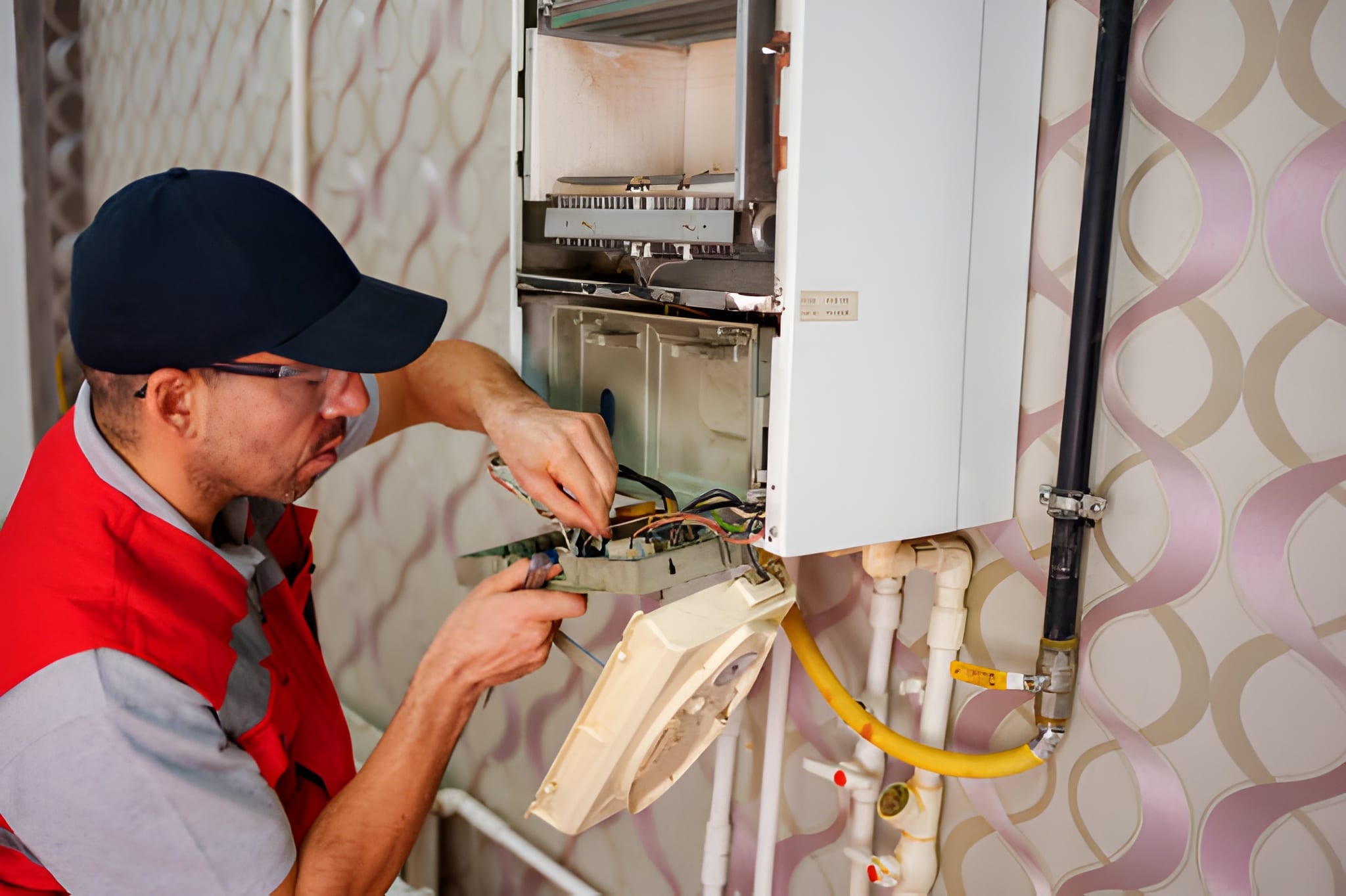
Why heating maintenance matters in San Fernando, CA
San Fernando experiences mild winters but can have sudden cold snaps and significant temperature swings between daytime and nighttime. Many homes use gas furnaces, heat pumps, or packaged rooftop units that sit unused for months and then require reliable performance when temperatures drop. Regular maintenance:
- Preserves system efficiency so you pay less on rare heating runs
- Reduces risk of breakdowns during unexpected cold weather
- Detects safety issues like gas leaks or combustion problems early
- Extends equipment life by preventing accelerated wear from dirt, friction, and electrical stress
Because heating cycles here tend to be seasonal, a neglected system can develop issues while idle. A structured maintenance program prevents that degradation.
What a comprehensive heating maintenance program includes
A formal service agreement for heating maintenance in San Fernando, CA typically covers scheduled inspections and a standardized tune-up checklist to ensure consistent performance year after year.
Standard elements of the program:
- Scheduled inspections: Annual or biannual visits timed for before heating season, with reminders based on local climate patterns.
- Preventative care tasks: Filter checks and replacement, cleaning burners and heat exchangers, lubricating motors and bearings, checking belts and pulleys, and clearing condensate lines on high-efficiency units.
- Safety and combustion checks: Visual inspection of the heat exchanger for cracks, testing for proper combustion, carbon monoxide screening, checking gas pressure and venting integrity.
- Operational tuning: Thermostat calibration, checking ignition systems or pilot assemblies, verifying safe cycling and correct temperature differentials.
- Refrigerant and heat pump checks: For heat pumps, checking refrigerant levels, inspecting reversing valves and defrost cycles, and clearing outdoor units of debris.
- Electrical and control inspection: Tightening connections, testing capacitors and relays, and verifying safety controls and limit switches.
- Duct and airflow assessment: Measuring airflow, inspecting for leaks or blockages, and advising on duct sealing if needed.
- Recordkeeping and seasonal reminders: Detailed service reports, maintenance history logs, and appointment reminders timed to San Fernando heating patterns.
- Priority scheduling: Members of an agreement receive expedited appointments during cold snaps and seasonal demand.
Typical heating problems we spot early in San Fernando homes
Regular maintenance helps uncover common issues before they become emergencies. Frequent problems in the San Fernando area include:
- Clogged filters and reduced airflow from long periods of inactivity
- Ignition or pilot problems in gas furnaces after summer storage
- Short cycling caused by thermostat miscalibration, restricted airflow, or failing controls
- Corroded or dirty burners that reduce efficiency and increase carbon monoxide risk
- Worn belts, bearings, and motors on older equipment that cause noise and energy waste
- Refrigerant leaks or improper charging on heat pumps that reduce heating capacity
- Blocked condensate drains on high-efficiency systems that lead to shutdowns
- Duct leaks that lower comfort and force systems to run longer
Finding these issues during routine maintenance protects your household from unexpected failures and safety hazards.
The inspection and maintenance process — what to expect
A professional maintenance visit follows a clear sequence so every critical component gets attention:
- Initial system review and homeowner interview about past performance and problem history.
- Visual and operational inspection of the heating unit, vents, filters, thermostat, and outdoor equipment if applicable.
- Cleaning and replacement tasks: filters, minor debris removal, burner cleaning, and condensate clearing.
- Diagnostic testing: combustion analysis for gas systems, airflow measurements, electrical testing, and refrigerant checks for heat pumps.
- Safety checks: checking heat exchanger integrity, venting, and carbon monoxide monitoring.
- Tune-up adjustments: thermostat calibration, control settings, and lubrication.
- Full written report with findings, recommended repairs (if needed), energy-saving tips, and the maintenance record entry.
These steps ensure transparent work and a documented maintenance history that adds value to the property.
Benefits of a service agreement for San Fernando homeowners
A formal maintenance agreement brings predictable care and tangible advantages for local residents:
- Priority scheduling during cool evenings and rare cold snaps so you avoid long waits
- Reduced risk of emergency service calls through proactive care
- Improved energy efficiency that helps offset occasional heating bills during colder months
- Longer equipment life because routine cleaning and adjustments prevent premature failure
- Clear service records that support warranty compliance and resale value
- Seasonal reminders timed to the San Fernando climate so maintenance happens when it matters most
Agreements are especially helpful for second homes, rentals, and properties that depend on reliable seasonal heating with minimal oversight.
Technician qualifications and quality assurance
Professional heating maintenance should be performed by trained, licensed technicians who are familiar with local codes and typical equipment found in San Fernando homes. Key qualifications to expect:
- Proper trade licensing and insurance
- Certification for combustion and HVAC work where applicable
- Experience with gas furnaces, heat pumps, and packaged rooftop units common in the San Fernando Valley
- Ongoing training on diagnostics, safety standards, and new efficiency technology
- Use of calibrated diagnostic tools and carbon monoxide meters for safety
Quality assurance practices include checklists for each visit, supervisor audits, and clear written documentation of all work performed.
Simple homeowner maintenance tips between professional visits
While professional service is essential, a few homeowner tasks help systems perform better year round:
- Replace or clean furnace and HVAC filters every 1 to 3 months during use
- Keep outdoor heat pump and packaged units clear of debris, leaves, and landscaping growth
- Program thermostats to reduce unnecessary cycles and test settings before heating season
- Ensure vents and registers are unobstructed and unblocked by furniture
- Note odd noises, odors, or short cycling and record the date to share with your technician
These small steps reduce strain on equipment and increase the effectiveness of professional tune-ups.
Final perspective
Heating maintenance in San Fernando, CA is a practical, safety-focused investment that preserves comfort and reduces long-term cost. A structured maintenance program with scheduled inspections, priority service, thorough recordkeeping, and qualified technicians prevents winter surprises, improves efficiency, and extends equipment life. For properties that heat seasonally, this proactive approach keeps systems ready when temperatures dip and protects both comfort and household safety.
Customer
Testimonials
Our customers consistently praise the exceptional service and professionalism of our team. They appreciate the honest advice, meticulous work, and the care taken to ensure their satisfaction.

.webp)
Service Areas
