

Heating Repair in San Fernando, CA

San Fernando heating repair services from Plum HVAC cover 24/7 emergency response and scheduled diagnostics to restore comfort quickly. We list common issues such as no heat, short cycling, weak airflow, strange noises, odors, and ignition problems, and explain our technician diagnostic steps, typical repairs, and frequently used parts. We also outline realistic timeframes, factors affecting cost, and preventive maintenance tailored to San Fernando's dust, winds, and wildfire smoke to reduce future breakdowns and extend system life. Plum HVAC aims to empower homeowners with expectations and practical guidance.
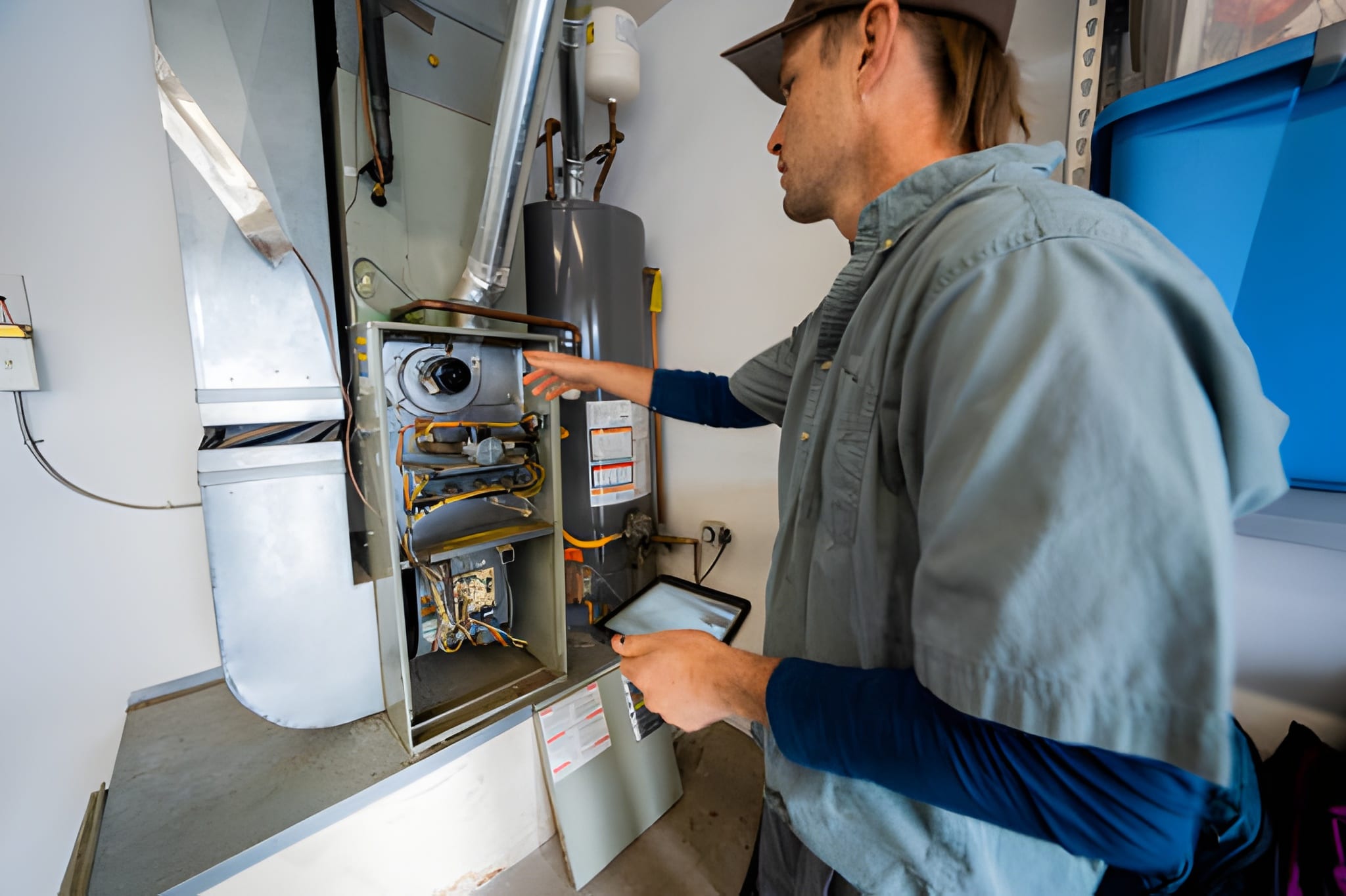
Heating Repair in San Fernando, CA
When your heating system fails, even San Fernando’s mild winters can feel uncomfortable fast—cold mornings, damp nights, and sudden temperature swings make a working heater essential. Our heating repair information explains emergency and scheduled services, common symptoms and causes, how technicians diagnose problems, typical repairs and parts, realistic timeframes, and practical prevention tips tailored for homes in San Fernando, CA.
24/7 Emergency Response and Scheduled Repairs
Heating problems do not always happen during business hours. Emergency heating repair services are available around the clock for situations that affect safety or basic livability, including total system failure in cold weather, suspected gas leaks, or carbon monoxide concerns. For non-emergencies—strange noises, intermittent heating, or a poorly performing system—scheduled repair appointments allow for thorough diagnostics and planned parts replacement to restore reliable performance.
Common Heating Repair Issues in San Fernando
Many San Fernando homeowners experience a predictable set of heating problems. Recognizing the symptoms helps you communicate clearly with a technician and get the right repair faster.
- No heat at all: Furnace or heat pump won’t produce warm air; thermostat shows call for heat but system does not respond.
- Intermittent heating or short cycling: System turns on and off frequently, never completing full cycles.
- Weak airflow: Warm air arrives but output is insufficient; vents blow weak or cool air.
- Strange noises: Rattling, banging, squealing, or grinding from the furnace or ductwork.
- Odors or visible soot: Persistent burning smell, soot around vents, or yellow pilot light (indicates combustion issues).
- Pilot or ignition failures: Older furnaces with pilots that won’t stay lit; modern systems with failed electronic igniters.
- Increased utility bills: Heating costs rise without a change in thermostat habits.
- Poor indoor air quality: Dust and smoke (relevant after wildfire events) reduce filter effectiveness and system performance.
Local influences: San Fernando’s seasonal winds and dust can accelerate filter clogging. Wildfire smoke or the Valley’s air quality events mean filters and heat exchangers can become contaminated faster than in cleaner-air regions, increasing the risk of poor performance or system stress.
Diagnostic Procedures Technicians Use
Professional diagnostics follow a logical process to pinpoint the root cause while keeping safety front and center.
- Visual inspection: Check furnace cabinet, burners or heat pump outdoor unit, duct connections, and vents for obvious damage, soot, or obstructions.
- Thermostat verification: Confirm correct settings, battery power, wiring continuity, and calibration.
- Power and safety checks: Verify electrical supply, circuit breakers, fuses, and safety switches (limit switches, pressure switches).
- Ignition and combustion checks: Inspect pilot assembly or electronic igniter, flame sensor, burner operation, and venting for proper combustion and exhaust flow.
- Airflow assessment: Measure blower operation, motor amperage, capacitor condition, filter status, and duct blockages.
- Component testing: Use multimeter tests on capacitors, relays, control boards, gas valves, and motors to detect failures.
- Combustion and carbon monoxide tests when needed: Ensure safe venting and proper combustion to prevent CO risks.
Safety note: If you smell gas, evacuate immediately and notify emergency responders. Technicians will perform a gas leak test and shut off supply as needed.
Typical Repair Solutions and Parts Used
Repairs range from quick parts swaps to more involved replacements. Below are common fixes and the components typically involved.
- Thermostat replacement or reprogramming: Upgrading or recalibrating to solve control or communication issues.
- Igniter or pilot assembly repair: Replace faulty hot surface igniters or repair pilot systems to restore ignition.
- Flame sensor cleaning or replacement: Clean buildup that prevents consistent burner operation; replace if degraded.
- Blower motor and capacitor service: Lubricate or replace motors, and swap capacitors that fail to start the blower reliably.
- Control board and relay replacement: Address intermittent operation or failed electrical signaling.
- Gas valve repair or replacement: Correct gas flow issues when burners won’t light despite proper ignition.
- Heat exchanger evaluation: Small cracks may require replacement of the heat exchanger or full furnace replacement if unsafe.
- Duct sealing and airflow fixes: Seal leaks, clear obstructions, and balance dampers to restore effective airflow.
- Filter replacement and indoor air components: Install higher-efficiency filters or clean/replace coils affected by dust or smoke.
Parts and repairs are selected to restore safe, efficient operation while addressing the underlying cause rather than just symptoms.
Expected Timeframes for Repairs
Timeframes help set expectations for emergency and scheduled work.
- Initial diagnostic visit: Typically completed within 30 to 90 minutes, depending on system complexity and visibility of the issue.
- Simple repairs: Thermostats, sensors, igniters, and filter or minor motor fixes often completed in 1 to 3 hours.
- Moderate repairs: Control board swaps, blower motor replacements, or ductwork repairs can take several hours and may require on-site parts.
- Major replacements: Heat exchanger or full furnace replacements could extend to half a day or full day depending on access, permitting, and duct modification needs.
- Emergency response: First-responders prioritize safety and temporary fixes as needed to restore heating until a complete repair can be scheduled.
Technicians typically stock common parts for quick fixes, but specialty components may require ordering, which can extend repair timelines.
Pricing Guidance Factors (without specific figures)
Actual repair costs vary based on multiple factors; understanding them helps you evaluate estimates.
- Age and condition of the system: Older equipment may require more parts or recommend replacement.
- Type of system: Gas furnaces, electric furnaces, and heat pumps have different component costs and labor requirements.
- Complexity of the repair: Simple sensor swaps are less involved than heat exchanger replacements or major ductwork corrections.
- Accessibility: Tight or confined installations increase labor time.
- Need for safety or code-related work: Venting, combustion issues, or required permits can add to scope and time.
- Indoor air quality or contamination: Systems affected by wildfire smoke or heavy dust may need cleaning before other repairs.
Ask for a clear description of the problem, parts to be replaced, and the rationale for recommended work to compare options confidently.
Preventive Maintenance and How to Avoid Future Breakdowns
Proactive steps reduce emergency repairs and extend equipment life—especially important in San Fernando where dust, winds, and occasional cold snaps create stress on systems.
- Schedule annual professional tune-ups before the heating season: Technicians clean burners, inspect heat exchangers, test safety controls, and tune combustion for steady performance.
- Change air filters regularly: During dusty months or smoke events, check filters monthly and replace as needed.
- Install and maintain carbon monoxide detectors: Place detectors near sleeping areas and test them monthly.
- Keep vents and returns clear: Unblocked airflow reduces strain on the blower and improves comfort.
- Consider a smart thermostat: Improved scheduling reduces runtime while maintaining comfort and can notify you to system issues sooner.
- Seal and insulate ducts: Leaky ducts reduce efficiency and place extra demand on the heating system.
- Address odd noises or cycling early: Small symptoms often precede bigger failures; early diagnostics prevent escalation.
Local note: After wildfire smoke events or high wind seasons, schedule an inspection to check for soot buildup and change filters to prevent long-term damage.
Repairing heating systems in San Fernando, CA requires a mix of prompt emergency response capabilities, thorough diagnostics, and repairs tailored to local conditions like dust, winds, and occasional cold spells. Understanding common symptoms, likely causes, typical parts and procedures, and realistic timeframes helps you make informed decisions and avoid future breakdowns while keeping your home comfortable and safe.
Customer
Testimonials
Our customers consistently praise the exceptional service and professionalism of our team. They appreciate the honest advice, meticulous work, and the care taken to ensure their satisfaction.

.webp)
Service Areas
