

Heating Tune-up in Fullerton, CA

When it comes to heating tune-ups for Fullerton homes, Plum HVAC provides the preventative care you need to boost safety, comfort, and efficiency during the heating season. Our thorough inspection addresses filters, ducts, burners, heat exchangers, and controls, while also verifying venting, carbon monoxide safety, and calibration. Our technicians are skilled at diagnosing common issues like uneven heating, short cycling, and unusual noises, performing performance tuning to cut down on energy waste. Regular annual or semi-annual tune-ups with a Plum HVAC maintenance plan mean a longer equipment life, fewer unexpected repairs, and consistently reliable, cost-efficient heating for your home.
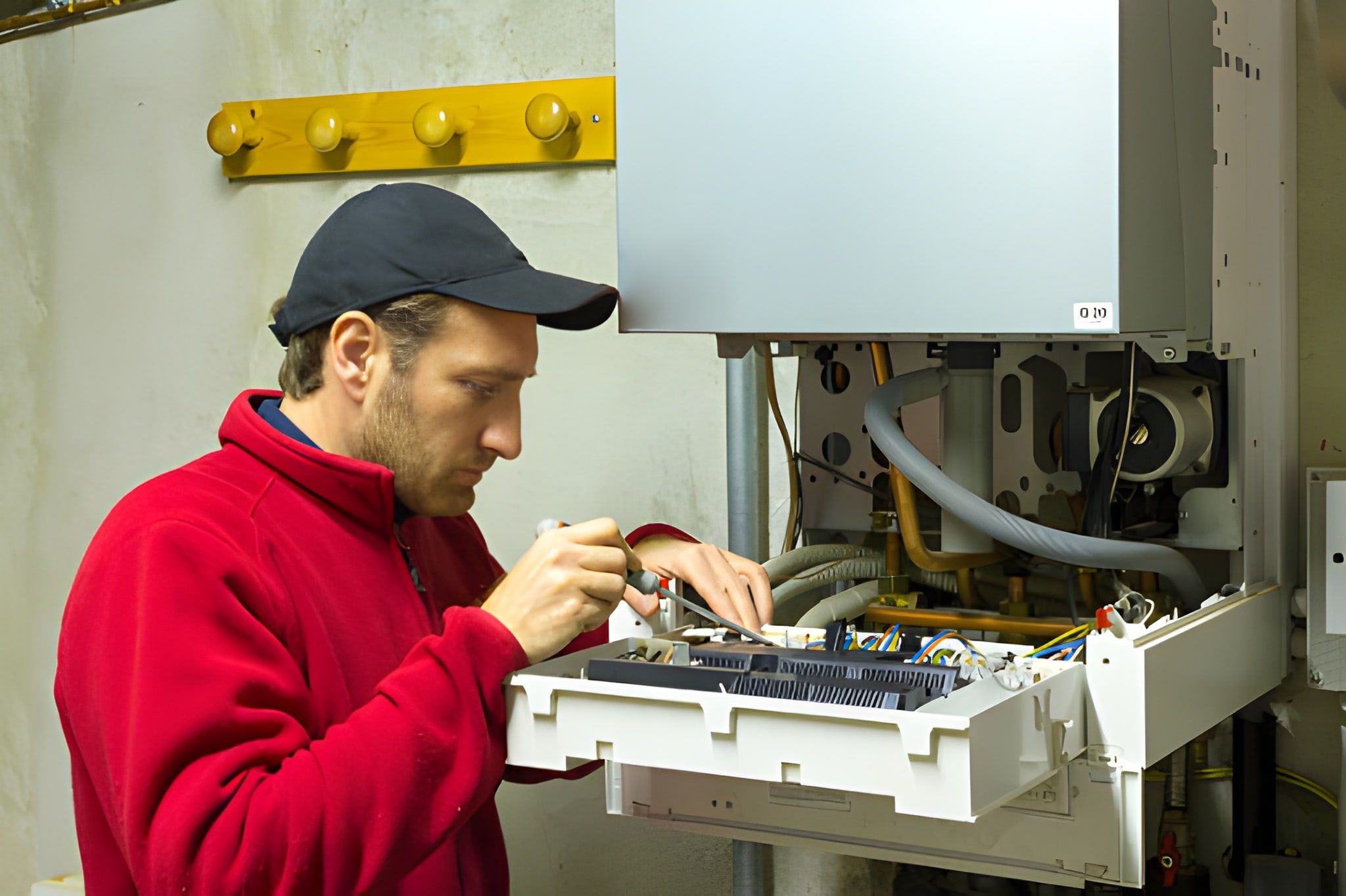
Heating Tune-up in Fullerton, CA
A seasonal Heating Tune-up in Fullerton, CA keeps your home safe, reliable, and efficient through the cooler months. Even though winters here are milder than in many parts of the country, furnaces and heat pumps still face wear from dust, intermittent use, and occasional cold snaps. A professional tune-up identifies small issues before they become emergency breakdowns, improves comfort, and helps reduce energy waste.
Why a tune-up matters for Fullerton homes
Fullerton’s climate means heating systems are used intermittently rather than continuously. Intermittent use lets dust, debris, and mechanical components sit longer between cycles, which increases the chance of clogged filters, stuck dampers, and electrical contact problems when the system is called into service. Local factors to consider:
- Periodic Santa Ana winds and seasonal dust increase filter and duct contamination.
- Mild winters can lull homeowners into skipping maintenance until the first cold day, which increases the risk of mid-season failures.
- Many Fullerton homes use gas furnaces or heat pumps; gas units need particular attention to burners and heat exchangers to ensure safe combustion.
Common heating problems in Fullerton and what they mean
Recognizing symptoms helps you prioritize proper maintenance. Typical issues caught during a tune-up include:
- Uneven heating or cold spots in rooms - often caused by dirty filters, blocked vents, or unbalanced ducts.
- Short cycling (system turns on and off frequently) - can indicate thermostat errors, airflow restriction, or an oversized system.
- Higher than expected energy bills during cooler months - usually caused by inefficiency from worn components or poor calibration.
- Strange noises or odors when the system starts - loose parts, failing motors, or trapped debris.
- Pilot light problems, yellow flames, or soot around gas appliances - signs that burner adjustment or combustion inspection is needed.
What a comprehensive heating tune-up covers
An effective tune-up follows a detailed checklist to ensure safety, efficiency, and longevity. Typical services performed include:
- Safety inspection
- Combustion and venting checks for gas units to identify leaks or blockages.
- Carbon monoxide check and visual heat exchanger inspection for cracks or corrosion.
- Gas line and connection leak test.
- Airflow and filtration
- Filter inspection and recommendation or replacement frequency based on system type and home air quality.
- Return and supply vent inspection and clearance.
- Basic duct visual check for obvious leaks or disconnections.
- Burners and heat exchanger (gas units)
- Burner cleaning to restore proper flame pattern and efficiency.
- Heat exchanger inspection for cracks, corrosion, and integrity issues that could cause unsafe conditions.
- Electrical and mechanical checks
- Tightening electrical connections and testing capacitors, relays, and controls.
- Motor and blower inspection, including belt condition and pulley alignment.
- Lubrication of accessible bearings and moving parts where applicable.
- Thermostat and control calibration
- Thermostat accuracy check and calibration for true temperature control.
- Verification of control sequence, safety limits, and system response.
- Performance tuning
- Combustion adjustment for proper fuel-to-air ratio on gas units.
- Blower speed and airflow adjustments to optimize comfort and reduce cycling.
- System start-up and shutdown tests to confirm reliable operation.
Diagnostic approach: what technicians look for and why
A tune-up is diagnostic as much as it is preventive. Technicians use visual inspection, simple tools, and performance checks to diagnose root causes:
- Visual and thermal inspection of the heat exchanger to prevent dangerous carbon monoxide exposure.
- Measurement of static pressure and airflow to locate restrictions that reduce efficiency.
- Electrical testing to detect failing capacitors, motors, or loose connections that precede breakdowns.
- Combustion analysis on gas units to ensure safe and efficient burning and to reduce soot or incomplete combustion.
Explaining these steps helps homeowners understand that tune-ups are not just filter changes; they are a methodical process aimed at safety, performance, and cost control.
Recommended tune-up schedule for Fullerton homes
- Annual professional heating tune-up before the start of the heating season is recommended for most systems.
- Homes with older equipment, pets, or higher dust loads may benefit from twice-yearly inspections to maintain performance and reliability.
- Replace or clean filters every 1 to 3 months depending on filter type, indoor air quality, and system usage.
Maintenance plans and long-term benefits
Enrolling in a maintenance plan provides consistent, scheduled care and creates a service history for your system. Typical benefits include:
- Predictable seasonal inspections and prioritized scheduling during high-demand periods.
- Documented maintenance records that help with warranty compliance and system resale value.
- Longer equipment life and fewer unexpected repair emergencies due to proactive care.
- Improved energy efficiency and lower operating costs by keeping systems tuned and components optimized.
What you should expect after a tune-up
Following a thorough heating tune-up you should notice:
- More consistent indoor comfort and fewer temperature swings.
- Smoother, quieter operation with reduced startup and running noises.
- Lower risk of mid-winter breakdowns and improved safety on gas systems.
- Potential energy savings from restored efficiency and calibrated controls.
Customer
Testimonials
Our customers consistently praise the exceptional service and professionalism of our team. They appreciate the honest advice, meticulous work, and the care taken to ensure their satisfaction.

.webp)
Service Areas
