

Heating Replacement in Fullerton, CA

Precise Air Systems (FERGUSON) guides Fullerton homeowners through evaluating when a heating system has reached its end of life, comparing various replacement options, and planning a safe, efficient installation. We'll outline end-of-life indicators, from age and frequent repairs to rising bills and uneven heat, and contrast gas furnaces, electric heat pumps, hybrids, and ductless systems. We also cover sizing, costs, incentives, disposal, installation steps, warranties, and maintenance, always with a focus on long-term comfort, safety, and lower emissions. Our practical tips are designed to help homeowners maximize value and reliability.
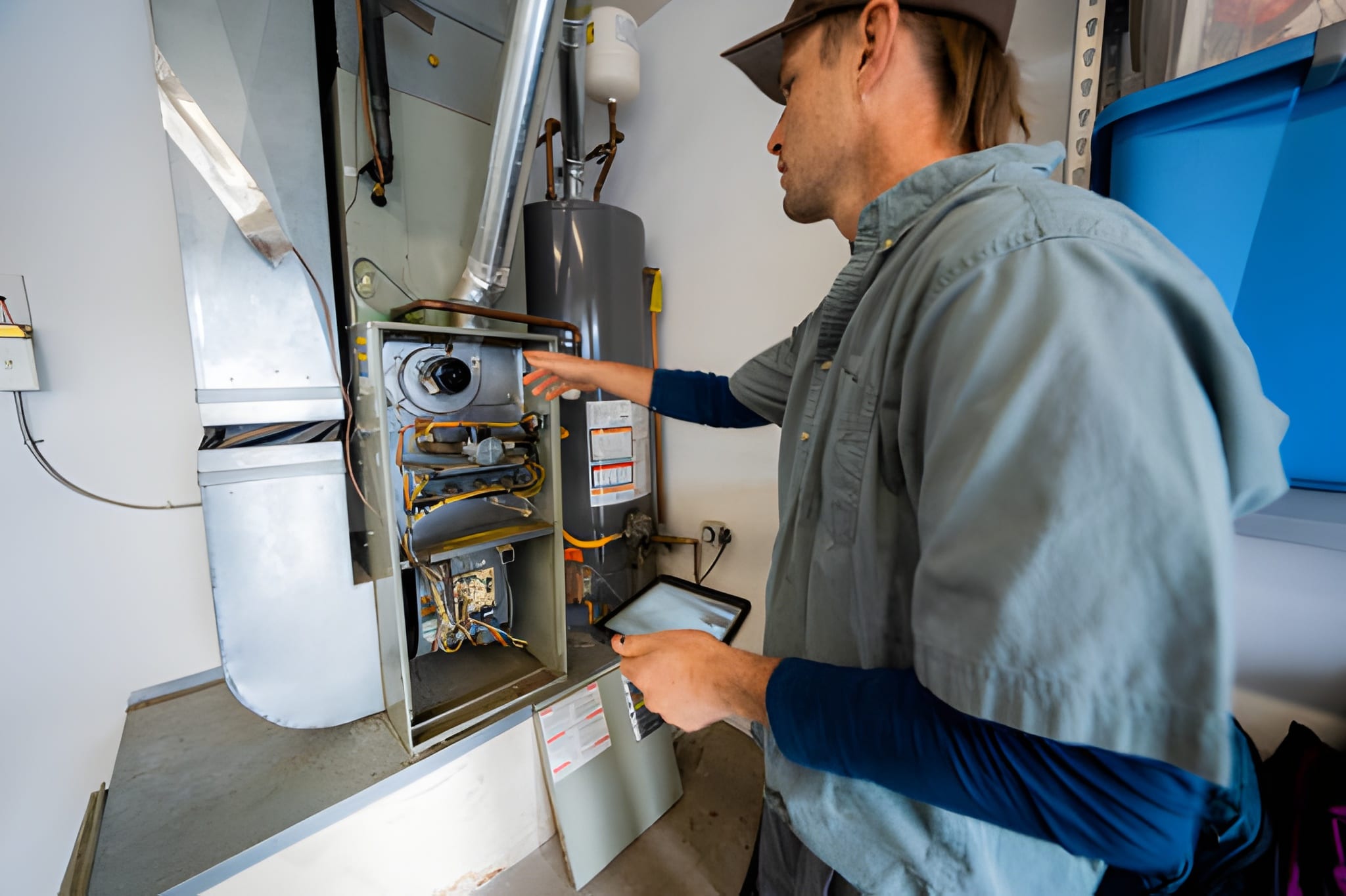
Heating Replacement in Fullerton, CA
Replacing a home heating system in Fullerton, CA is about more than comfort on cooler evenings. It is a long-term investment in safety, energy savings, indoor air quality, and resale value. This page explains how to evaluate whether your furnace or heat system has reached end of life, compares replacement options, walks through removal and installation best practices, and outlines local incentives and warranty considerations specific to Fullerton homeowners.
Why replace your heating system now
Fullerton experiences mild winters but enough cold nights that an inefficient or failing system still raises energy bills and comfort complaints. Common triggers for replacement include frequent breakdowns, rising repair costs, noisy operation, uneven heating, and older equipment that no longer meets efficiency or safety expectations. In California, moving to a higher efficiency system can also reduce emissions and take advantage of utility and state incentives.
End-of-life indicators for furnaces and heating systems
Watch for these clear signs that replacement is the better financial and safety decision:
- Age: Furnaces older than 15 to 20 years are often near end of life. Heat pumps may last 10 to 15 years depending on use.
- Frequent repairs: Multiple repairs in a short period indicate declining reliability.
- Rising energy bills: Higher bills despite consistent usage typically point to degraded efficiency.
- Uneven heating or poor airflow: May signal oversized, undersized, or failing equipment and deteriorated ductwork.
- Yellow burner flame or combustion odors: Safety concerns that need immediate attention and often lead to replacement.
- Component obsolescence: Parts for very old models may be unavailable or prohibitively expensive.
Replacement options compared
Choosing the right system depends on your home size, existing ductwork, fuel availability, and long-term goals for efficiency and carbon footprint.
- High efficiency gas furnace
- Efficiency measure: AFUE rating. Modern high-efficiency furnaces exceed 90 percent AFUE.
- Best for: Homes with existing gas lines and duct systems.
- Pros: Strong heating performance on cold nights, familiar technology.
- Cons: Still depends on fossil fuel; ventilation and combustion safety must be verified.
- Electric heat pump
- Efficiency measures: SEER for cooling, HSPF for heating performance.
- Best for: Fullerton climate where moderate heating loads make heat pumps highly efficient year round.
- Pros: High efficiency, can provide both heating and cooling, lower operational emissions when paired with clean electricity.
- Cons: Upfront cost can be higher; performance varies in extreme cold, but Fullerton rarely experiences those conditions.
- Hybrid systems
- Combine a heat pump with a gas furnace to optimize efficiency across varying temperatures.
- Best for: Homes wanting the reliability of gas for the coldest hours and the efficiency of heat pumps for most days.
- Ductless mini splits
- Best for: Room additions, older homes without ducts, or zone-specific comfort control.
- Pros: Easy installation, zoned control, high efficiency.
- Cons: Multiple indoor units may be needed for full-home coverage.
Capacity and sizing
A correct replacement starts with a load calculation - not just matching the old unit. Proper sizing evaluates insulation, window area, orientation, and Fullerton-specific factors like mild climate loads and typical solar gains. Oversized systems cycle too often and reduce comfort; undersized systems struggle on cold nights.
Cost versus savings analysis
When deciding on replacement, consider total lifecycle cost:
- Upfront purchase and installation.
- Annual operating cost based on local fuel prices and efficiency ratings.
- Expected equipment lifespan.
- Maintenance and repair history.
- Potential savings from rebates and incentives.
In Fullerton, higher-efficiency heat pumps and furnaces often pay back through lower monthly bills within several years, especially when combined with rebates or tax incentives and when your existing equipment is inefficient.
Removal and disposal of old equipment
Proper removal is critical for safety and compliance:
- Safe disconnection of gas, electricity, and refrigerant for heat pumps.
- Recycling of metal components and proper disposal of hazardous materials such as oil or refrigerant following California regulations.
- Permits and inspections as required by the City of Fullerton and Orange County code.
Installation and testing procedures
A professional replacement follows a clear sequence to ensure performance and safety:
- Pre-install inspection - Evaluate ductwork, venting, combustion air, electrical capacity, and thermostat compatibility.
- Load calculation - Confirm correct unit size for your home.
- Removal - Safely disconnect and remove old equipment, minimize dust and debris.
- Installation - Proper placement, sealing of duct connections, correct venting, and secure refrigerant lines if applicable.
- System commissioning and testing - Verify combustion safety, measure airflow, confirm refrigerant charge and pressures for heat pumps, test thermostat and controls, and run performance checks.
- Air balancing and airflow optimization - Ensure even distribution and optimal efficiency.
Local incentives and permitting considerations
Fullerton homeowners may qualify for several incentive streams:
- State and federal programs that support high-efficiency heat pumps and electrification upgrades, including tax credits and rebates for qualifying equipment.
- Utility rebates available through regional energy providers for high-efficiency equipment and insulation or duct sealing projects.
- Local permitting requirements and inspection processes through the City of Fullerton, which must be followed for legal compliance and safety.
Always verify current program availability and eligibility before deciding on equipment.
Warranties and long-term maintenance plans
Replacement systems typically come with a manufacturer warranty on major components and may include a limited labor warranty from the installer. Consider these long-term protections:
- Extended labor warranties to cover commission and potential early failures.
- Maintenance plans that include annual tune-ups, filter replacements, safety checks, and priority scheduling to preserve efficiency and extend equipment life.
- Documentation of service and warranty registration to support future claims and resale value.
Benefits specific to Fullerton homeowners
Replacing a heating system in Fullerton yields benefits aligned with local living:
- Lower energy bills in a climate well suited to efficient heat pump operation.
- Improved comfort during cool coastal and inland evenings.
- Better indoor air quality with upgraded filtration and properly sealed ductwork.
- Reduced local and household emissions, supporting California climate goals.
- Compliance with local codes and enhanced home marketability.
Replacing a heating system is a decision that balances comfort, cost, safety, and environmental impact. A methodical evaluation of end-of-life indicators, careful comparison of replacement options, and attention to professional installation and ongoing maintenance will ensure reliable heating for years to come in Fullerton homes.
Customer
Testimonials
Our customers consistently praise the exceptional service and professionalism of our team. They appreciate the honest advice, meticulous work, and the care taken to ensure their satisfaction.

.webp)
Service Areas
