

Heating Tune-up in Eastvale, CA

Eastvale homeowners can truly rely on Plum HVAC for a seasonal heating tune-up to keep their furnaces and heat pumps safe, efficient, and dependable throughout the cooler months. Our service follows a thorough inspection and maintenance checklist, including critical safety tests, comprehensive burner and heat exchanger checks, filter replacement, thermostat calibration, airflow and combustion testing, and a detailed electrical inspection. You'll receive a clear findings report, recommended repairs, and an estimated remaining life for your system, all to help you plan maintenance and protect your comfort, energy use, and indoor air quality. Scheduled visits with Plum HVAC also support warranty compliance and maximize value.
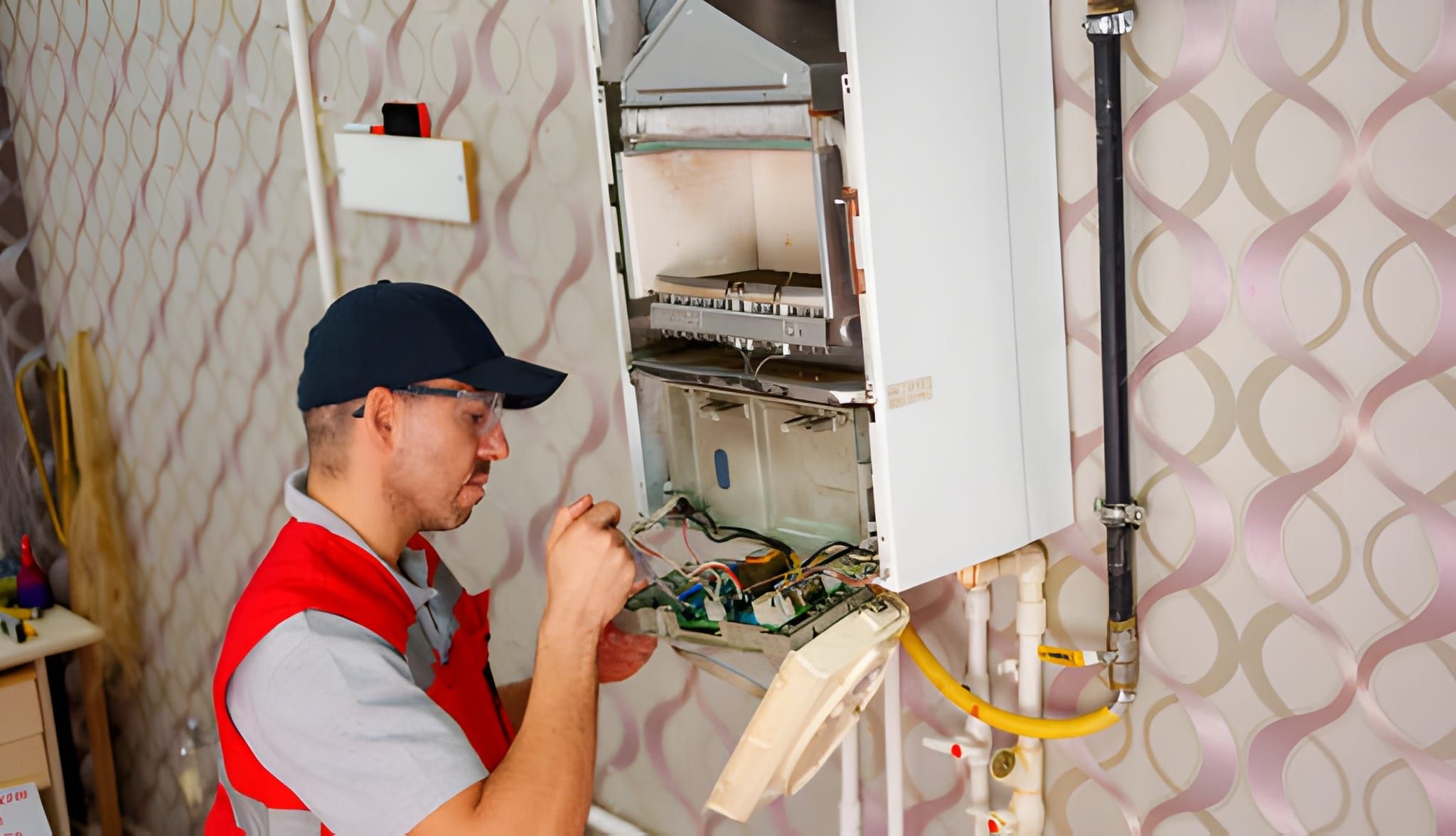
Heating Tune-up in Eastvale, CA
A seasonal heating tune-up in Eastvale, CA keeps your system running safely, efficiently, and reliably through the cooler months. Even though Eastvale winters are milder than inland mountain regions, temperature swings, dust, and seasonal winds increase load on furnaces and heat pumps. A professional tune-up addresses common wear points, restores efficiency lost over the year, and reduces the chance of unexpected breakdowns when you need heat most.
What a Heating Tune-up Covers
A comprehensive heating tune-up follows a systematic inspection and maintenance checklist to identify issues and optimize operation. Typical items included:
- Safety checks
- Visual inspection for gas leaks, improper venting, and carbon monoxide risks
- Confirmation of intact safety controls and limit switches
- Burner and heat exchanger inspection
- Burner flame quality and burner assembly cleaning
- Heat exchanger inspection for cracks, corrosion, or signs of stress
- Filter and belt replacement
- Replace or recommend the correct air filter type and MERV rating
- Inspect and replace blower belts if worn or frayed
- Thermostat calibration
- Verify thermostat accuracy and temperature differential
- Confirm programmed schedules function as expected
- Airflow and combustion testing
- Measure airflow across the coil and through ducts; identify restrictions
- Combustion analysis to verify proper fuel/air ratio and safe exhaust
- Electrical and control inspection
- Tighten electrical connections and inspect control boards
- Test ignition system, pilot assemblies, and relays
- Lubrication and moving parts
- Lubricate fan motors and bearings where applicable
- Duct and vent checks
- Basic visual inspection for disconnected ducts, blocked vents, and backdrafting
- Drain and condensate inspection (for high-efficiency furnaces or hybrid systems)
- Clear condensate lines and check for pooling or blockages
Each tune-up report should include a clear summary of findings, items requiring immediate attention, recommended repairs, and notes on expected remaining useful life of major components.
Common Heating Tune-up Issues in Eastvale, CA Homes
Eastvale homes face specific conditions that tend to create predictable problems:
- Dust and pollen accumulation from warm, dry seasons reduces filter life and clogs burners and coils.
- Santa Ana winds and seasonal dust storms can introduce debris into intake vents and outdoor equipment, impairing combustion and airflow.
- Wildfire smoke and regional air quality events can accelerate filter clogging and deposit residues on heat exchangers, reducing efficiency.
- Intermittent use in mild winters can lead to sticky components (valves, burners) and more frequent ignition failures than in consistently cold climates.
Addressing these issues during a tune-up prevents loss of efficiency and reduces emissions and indoor air quality concerns.
Safety and Diagnostic Checks Explained
A tune-up is as much about safety as it is about performance. Key diagnostic procedures include:
- Combustion testing measures gas combustion efficiency and checks for dangerous byproducts.
- Heat exchanger inspection ensures no cracks or leaks that could allow combustion gases into the living space.
- Carbon monoxide and venting review confirm exhaust pathways are clear and operating within safe parameters.
These checks use specialized tools and trained technicians to interpret results — simple visual inspections cannot replace diagnostic testing.
Estimated Service Time
A full heating tune-up for a typical single-family home in Eastvale usually takes about 60 to 90 minutes. Time varies with system type (standard gas furnace, high-efficiency condensing furnace, or heat pump), the unit’s age and condition, accessibility of components, and whether additional cleaning or minor repairs are needed during the visit.
How Scheduled Maintenance Enrollment Works
Enrollment in a scheduled maintenance program is designed for ongoing reliability and predictable service. The enrollment process typically follows these steps:
- Equipment review — Provide make, model, and age of heating equipment to determine appropriate maintenance frequency.
- Select a maintenance cadence — Most homes benefit from an annual winter tune-up; some high-use or older systems may require semiannual visits.
- Documentation and reminders — Maintenance history is logged and reminders are set for upcoming tune-ups and filter changes.
- Priority scheduling and records — Enrolled systems usually receive priority visits during peak demand periods and an annual report summarizing system condition and recommended actions.
Enrollment emphasizes preventive care, extended equipment life, and a documented maintenance history that supports warranty compliance and home resale value.
Benefits of Annual Tune-ups
Regular tune-ups deliver measurable advantages:
- Improved efficiency — Clean burners, calibrated thermostats, and unrestricted airflow reduce energy consumption.
- Greater reliability — Early detection of wear prevents inconvenient mid-season failures.
- Enhanced safety — Combustion and venting checks reduce carbon monoxide and fire risks.
- Longer equipment life — Routine maintenance reduces stress on components and delays costly replacements.
- Better indoor air quality — Clean filters and ducts minimize dust and allergens circulating through the home.
For Eastvale homeowners, the combination of dust, seasonal winds, and intermittent heating use makes annual attention particularly valuable.
Maintenance Tips for Eastvale Homes
Small actions between professional tune-ups help maintain performance:
- Replace or check filters every 1–3 months during high-use or poor air quality periods.
- Keep outdoor equipment clear of debris, vegetation, and wind-blown dust.
- Ensure vents and registers are unobstructed and balanced room-to-room to maintain consistent airflow.
- Note unusual noises, odors, or cycling behavior and record when they occur to aid diagnostics.
Customer
Testimonials
Our customers consistently praise the exceptional service and professionalism of our team. They appreciate the honest advice, meticulous work, and the care taken to ensure their satisfaction.

.webp)
Service Areas
