

Heating Tune-up in El Segundo, CA

When it comes to your heating system in El Segundo, CA, Plum HVAC offers a comprehensive seasonal tune-up. We know coastal conditions call for proactive maintenance, and our process covers all the details. We'll explain common issues, walk through a thorough inspection checklist, perform expert cleaning and adjustment steps, and conduct performance testing to ensure results like quieter starts and improved efficiency. We'll also outline recommended maintenance intervals and the clear benefits of regular tune-ups, including what you can expect from our available tune-up plans and service agreements for reliable, safe home heating year-round.
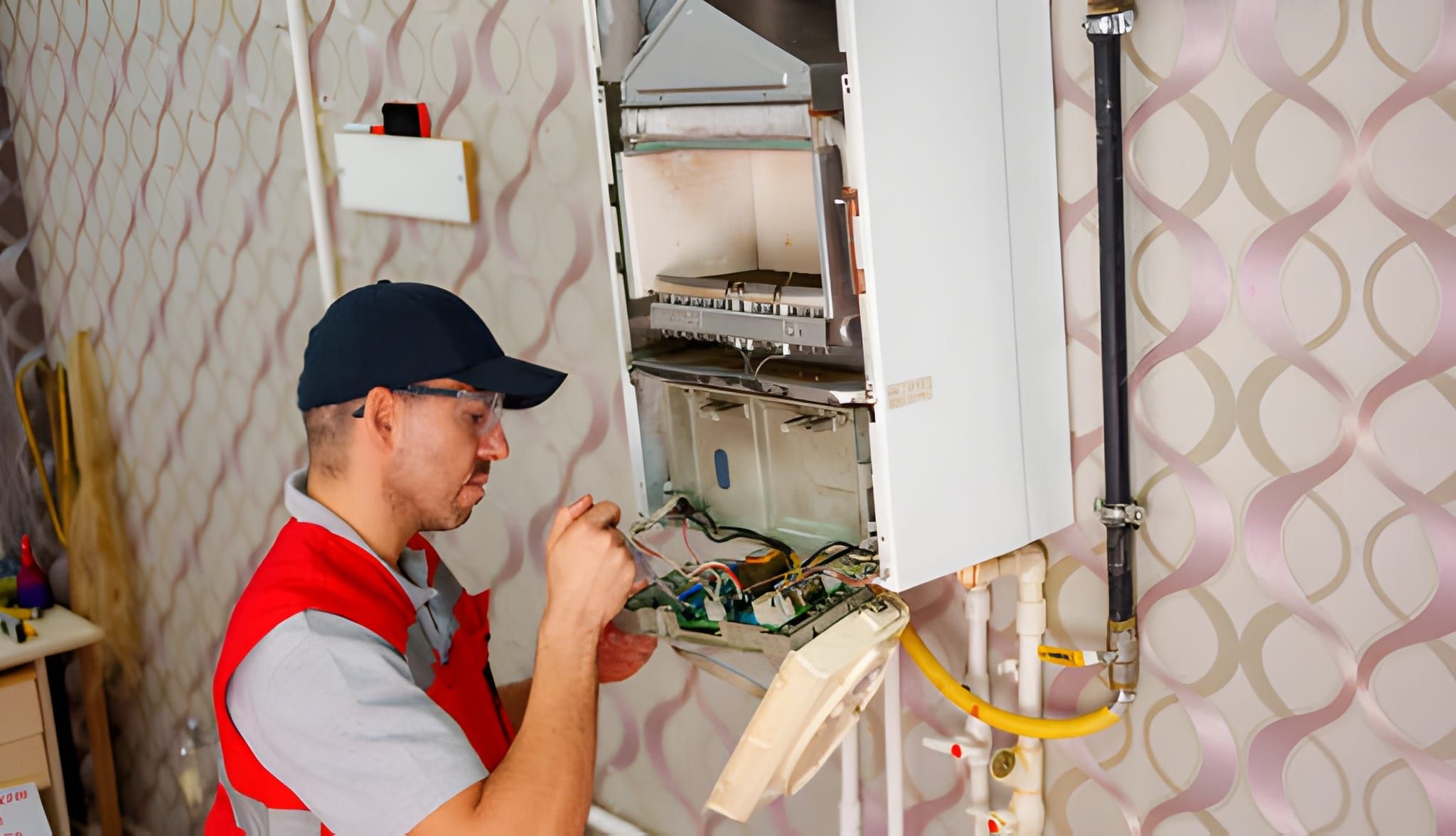
Heating Tune-up in El Segundo, CA
A seasonal heating tune-up is the single best preventive step you can take to keep your home comfortable, safe, and energy-efficient during El Segundo’s cooler months. Even though Southern California winters are generally mild, nights and coastal fog can make heating systems work harder than you expect. A professional tune-up catches small issues before they become costly failures, restores peak efficiency, and helps protect against safety risks like carbon monoxide leaks or electrical faults.
Below is a clear, expert-level guide to what a comprehensive heating tune-up in El Segundo, CA includes, why local conditions matter, common problems we see here, and what you can expect from ongoing tune-up plans or agreements.
Common heating tune-up issues in El Segundo, CA
- Salt air corrosion on outdoor components or venting that shortens equipment life.
- Clogged filters and duct dust from desert and coastal airborne particles, reducing airflow.
- Thermostat calibration drift after months of minimal use, causing uneven comfort or short cycling.
- Ignition or burner deposits in gas systems from intermittent use.
- Heat pump refrigerant or defrost issues in homes that rely on heat pumps for winter warmth.
- Wear on blower motors and bearings due to coastal humidity accelerating degradation.
- Safety control failures or blocked vents that increase risk of combustion byproduct buildup.
What a comprehensive seasonal heating tune-up includes
A full tune-up goes beyond a quick visual check. The goal is to restore safe, efficient operation and document system health so you know what to expect when the temperature drops.
Inspection checklist (core items)
- Air filters: Check and replace or recommend replacement. Dirty filters reduce airflow and efficiency.
- Burners and ignition (gas furnaces): Inspect burners for cleanliness and correct flame pattern; test ignition system and pilot or electronic igniter.
- Thermostat: Verify calibration, program settings, and sensor operation; confirm proper cycles and setpoints.
- Safety controls: Test high-limit switches, roll-out switches, pressure switches, and any flame rollout sensors to ensure safe operation.
- Heat exchanger and venting: Inspect for cracks, corrosion, or blockages; verify flue and vent paths are clear and venting properly.
- Blower motor and fan assembly: Clean, lubricate if applicable, and check belt tension or motor amperage to detect wear.
- Heat pump components (if present): Check refrigerant levels, reversing valve function, defrost cycle, and outdoor coil condition.
- Electrical connections: Tighten and inspect control wiring, contactors, capacitors, and breakers for signs of wear or overheating.
- Ductwork brief check: Look for obvious leaks or disconnected joints near the furnace/air handler and note airflow restrictions.
- Combustion and safety testing (gas systems): Perform a combustion analysis when indicated and check for carbon monoxide presence at the appliance and nearby living spaces.
Cleaning and adjustment procedures
- Clean burners, combustion chambers, and accessible interior components to remove soot and debris that reduce efficiency.
- Vacuum and wipe heat exchanger exterior surfaces and the burner compartment.
- Clean or advise on cleaning of outdoor coils and heat pump fan blades to minimize salt and dust build-up common in coastal El Segundo.
- Adjust burner orifice and flame profiles, calibrate thermostat cycles, and set correct blower speeds to achieve manufacturer-specified temperature rise.
- Tighten electrical terminals and replace worn connectors to prevent future failures.
Performance testing and results you can expect
A tune-up includes measurable tests so you leave with documented system performance:
- Temperature rise measurement across the heat exchanger for furnaces to confirm proper heat transfer.
- Airflow and static pressure checks to identify restricted return or supply paths affecting comfort and efficiency.
- Amp draw tests on motors and compressors to spot impending motor or capacitor failure.
- Combustion efficiency and CO checks for gas units where safe combustion and venting are critical.
- Refrigerant charge and superheat/subcooling checks on heat pumps and packaged units to ensure proper cooling/heating capacity.
Typical outcomes: quieter startup, shorter run cycles, improved airflow, more consistent room-to-room comfort, and measurable energy savings from reduced wasted runtime.
Recommended maintenance intervals and timing
- Annual comprehensive tune-up is recommended for most El Segundo homes, ideally in early fall before sustained heating is needed. This timing prevents last-minute emergency calls during the first cold spell.
- Semiannual checks can benefit homes with higher demand, older equipment, heat pumps that run year-round, or properties exposed to heavy coastal salt spray that accelerates corrosion.
- Filter replacement should be performed every 1 to 3 months depending on filter type, household occupancy, and pet presence. Homes near the coast and busy roads often need more frequent changes.
Keeping to these intervals preserves efficiency, reduces emergency repair risk, and is often required to maintain manufacturer warranty coverage.
Benefits of regular heating tune-ups for El Segundo homes
- Improved reliability: Fewer breakdowns during the first cold night or foggy morning.
- Better energy efficiency: Clean, calibrated systems use less energy, which matters with Southern California energy rates.
- Extended equipment life: Proactive care avoids the accelerated wear common in coastal climates.
- Enhanced safety: Early detection of cracked heat exchangers, blocked vents, or faulty safety controls reduces carbon monoxide and fire risks.
- Better indoor comfort: Even heat distribution and faster recovery when the thermostat is lowered or raised.
- Documentation for service history: Useful for resale value and warranty compliance.
Tune-up plans and agreements (what to expect)
Standard tune-up plans or maintenance agreements typically include:
- Annual inspection and seasonal tune-up visits documented with a checklist and findings.
- Priority scheduling during peak seasons and reduced wait times for service calls.
- Discounted rates on repairs or replacement parts associated with covered systems.
- Reminder notifications for scheduled maintenance and filter changes.
- Clear reporting on system condition and recommended next steps to maintain reliability.
Plans vary in scope, but each is designed to make maintenance predictable and cost-effective while preserving comfort and safety.
Customer
Testimonials
Our customers consistently praise the exceptional service and professionalism of our team. They appreciate the honest advice, meticulous work, and the care taken to ensure their satisfaction.

.webp)
Service Areas
