

Heating Maintenance in Eastvale, CA

Eastvale heating maintenance guidance outlines why regular care matters for local climates, detailing how routine checks prevent dust-induced wear, protect warranties, and reduce energy use. It identifies common issues such as weak heating, short cycling, noisy operation, ignition failures, and duct/air quality concerns, and explains what a typical visit covers—from safety tests and combustion checks to air-flow, electrical verification, and filtration recommendations. It also describes maintenance programs, diagnostics, and seasonal preparedness to keep furnaces and heat pumps reliable year round.
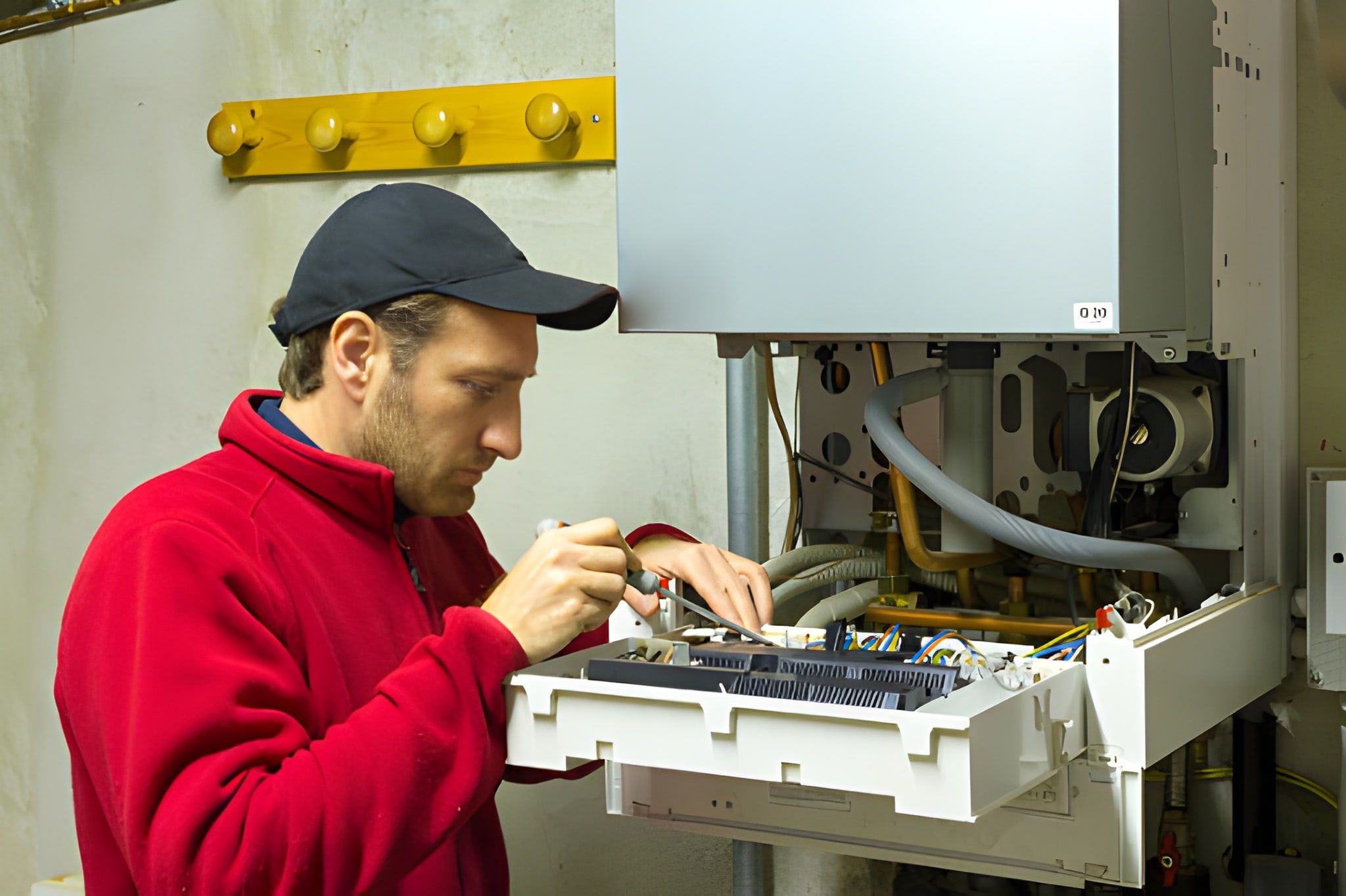
Why ongoing heating maintenance matters in Eastvale
Eastvale experiences hot summers and cool, occasionally chilly winters. Many homes use combined heating and cooling systems (furnaces or heat pumps) that sit idle for months before winter. Dust and particulate matter from inland winds and nearby construction can clog filters and enter ducts. Routine maintenance:
- Restores safe, efficient operation after long idle periods
- Detects worn components before they fail on the first cold night
- Helps maintain manufacturer warranty requirements
- Reduces energy use and extends equipment life
Common heating problems in Eastvale and what causes them
Understanding local patterns helps diagnose issues quickly. Common heating maintenance issues in Eastvale include:
- Weak or uneven heating — often caused by clogged filters, blocked vents, leaky ductwork, or a failing blower motor.
- Short cycling (frequent on/off cycles) — frequently due to overheating, a dirty flame sensor, incorrect thermostat settings, or refrigerant/airflow problems on heat pumps.
- Noisy operation — loose panels, worn bearings, or failing fan motors create rattles, squeaks, or banging.
- Ignition or pilot failures — gas furnaces may fail to light because of dirty burners, ignition sensors, or gas pressure irregularities.
- Reduced heat pump performance — frost buildup in winter, low refrigerant, or compressor wear can drop heat output.
- Indoor air quality decline — dust, pollen, and pet dander accumulate in filters and ducts, worsening allergens during seasonal changes.
- Carbon monoxide risk — cracked heat exchangers or blocked vents create dangerous conditions in gas systems if not inspected.
What a typical heating maintenance visit includes
Heating maintenance programs in Eastvale are structured to be thorough and preventative. A standard annual tune-up or seasonal visit generally covers:
- System safety and combustion checks
- Visual inspection of heat exchanger for cracks
- Carbon monoxide leak testing and venting inspection
- Gas line and connection checks (for gas furnaces)
- Combustion and ignition inspection
- Clean and inspect burners, pilot, or electronic ignition systems
- Verify proper flame pattern and ignition timing
- Airflow and indoor comfort checks
- Inspect and clean blower assembly, motor, and belts
- Measure airflow and recommend duct sealing if needed
- Electrical and control verification
- Tighten electrical connections and test safety switches
- Calibrate thermostat and verify control sequences
- Filtration and indoor air quality
- Inspect filters, recommend replacement frequency, and evaluate air cleaner/humidifier integration
- Lubrication and mechanical maintenance
- Lubricate moving parts per manufacturer guidelines
- Performance testing
- Measure system temperatures, pressures, and efficiency indicators
- Document operating baselines for trend monitoring
Technicians typically leave a concise service summary noting observations, recommended repairs, and parts that may require attention soon.
Maintenance programs, agreements, and priority scheduling
Maintenance agreements are designed to simplify care and reduce unexpected expenses while prioritizing reliability. Typical elements of a heating maintenance program available to Eastvale homeowners include:
- Scheduled annual or biannual inspections (heat pumps often benefit from two seasonal checks)
- Priority scheduling during peak winter service periods so recurring customers receive faster appointments
- Diagnostic fee waivers or reduced service fees for covered breakdowns (specific terms vary by plan)
- Parts and labor discounts on repairs for enrolled systems
- Service record tracking to protect warranty coverage and document lifecycle maintenance
Agreements are typically customizable to match system type (gas furnace, electric furnace, heat pump) and household needs (single-family homes vs. multiunit properties). Enrolling in an agreement ensures documented maintenance history, which supports resale value and warranty compliance.
How technicians diagnose problems during maintenance
Technicians apply a systematic approach to isolate issues efficiently and safely:
- Review past service history and homeowner concerns
- Perform safety checks (CO testing, venting, combustion)
- Observe system startup and running behavior under load
- Measure airflow, temperatures, and electrical parameters
- Inspect components visually and with diagnostic instruments
- Recommend prioritized repairs and estimate remaining useful life
This process reduces guesswork, identifies small issues before they escalate, and provides homeowners with clear choices about repair versus replacement.
Repairs and solutions commonly recommended
Based on inspection findings, common solutions include:
- Filter replacement and duct cleaning to restore airflow and indoor air quality
- Blower motor repair or replacement when performance drops or bearings fail
- Heat exchanger or burner cleaning when combustion issues appear
- Thermostat upgrades or recalibration for better temperature control and efficiency
- Duct sealing and insulation to address uneven heating and energy loss
- Refrigerant leak repair or compressor service for heat pumps with reduced capacity
When replacement is recommended, technicians explain tradeoffs between repairing aging components versus investing in a new, higher-efficiency system.
Seasonal preparedness for Eastvale homes
Preparing for winter in Eastvale improves comfort and reduces emergency repairs:
- Schedule heating maintenance in early fall before seasonal demand rises
- Replace or upgrade filters monthly to every 90 days depending on occupancy and pets
- Clear vents, returns, and outdoor equipment of debris and vegetation
- Test and install fresh batteries in carbon monoxide and smoke detectors
- Consider a whole-home humidifier for dry winter nights to improve comfort
For homes with combined heating and cooling equipment, a spring check of the cooling side and a fall heating tune-up ensure both systems remain reliable year-round.
Benefits of consistent heating maintenance
Regular maintenance delivers clear, measurable advantages for Eastvale homeowners:
- Improved system efficiency and lower energy consumption during heating season
- Increased lifespan of furnaces and heat pumps through preventive care
- Fewer unexpected breakdowns and reduced repair complexity
- Safer operation with reduced risk of carbon monoxide exposure
- Better indoor air quality and consistent comfort throughout the home
A proactive maintenance approach aligns equipment performance with family comfort needs and local environmental factors in Eastvale. Routine inspections, seasonal preparedness, and a clear maintenance agreement provide the most reliable path to comfortable winters and efficient operation year after year.
Customer
Testimonials
Our customers consistently praise the exceptional service and professionalism of our team. They appreciate the honest advice, meticulous work, and the care taken to ensure their satisfaction.

.webp)
Service Areas
