

Heating Tune-up in Garden Grove, CA

Garden Grove heating tune-ups provide annual maintenance to improve reliability, efficiency, and safety of gas furnaces, heat pumps, and related components. The service includes thorough diagnostics, cleaning, calibration, safety tests, filter recommendations, and performance checks, with guidance on optimal frequency based on system age and usage. Homeowners learn what to expect during enrollment, receive a clear maintenance plan, and gain confidence in winter readiness. Regular tune-ups reduce energy costs, extend equipment life, and protect indoor air quality and comfort.
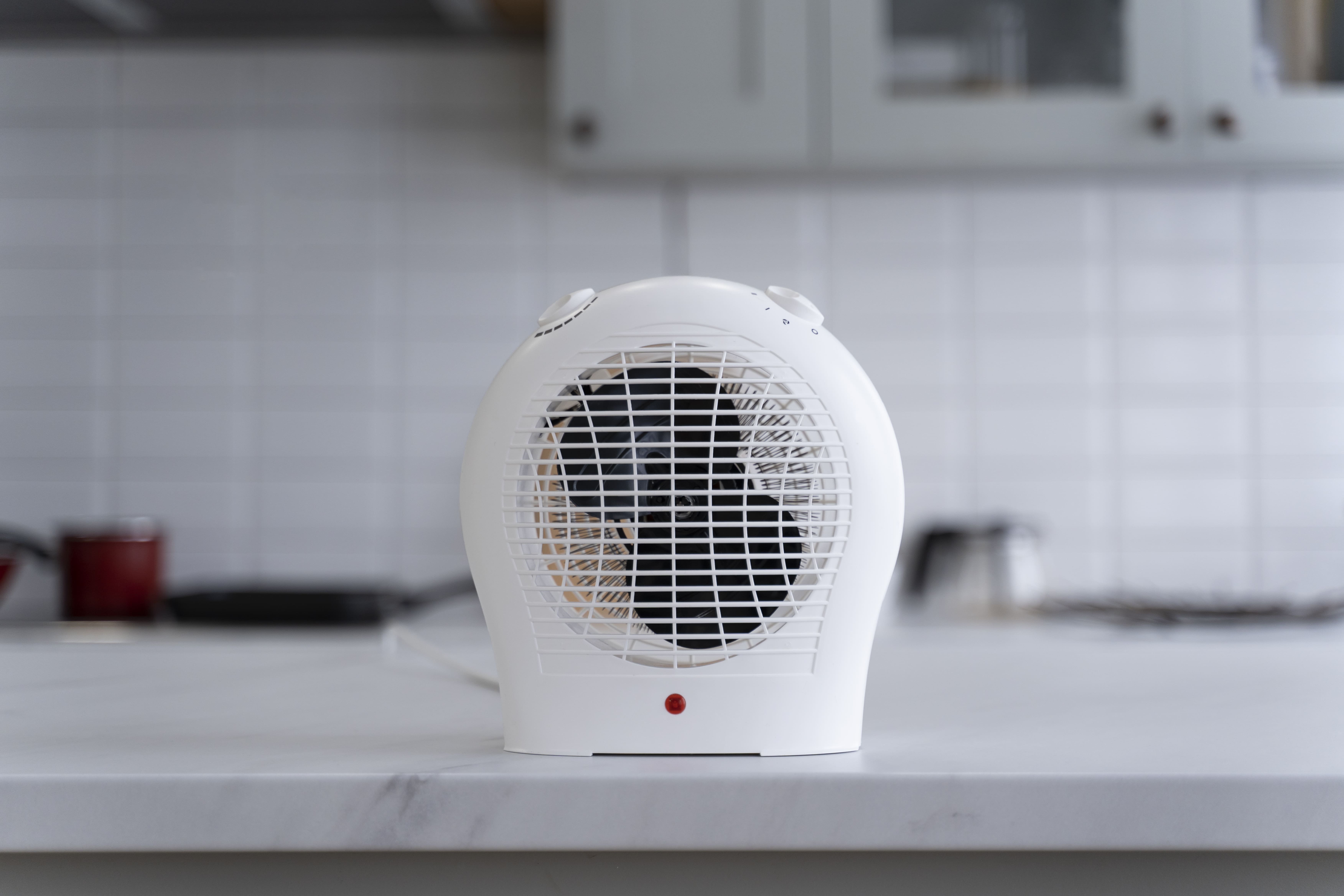
Heating Tune-up in Garden Grove, CA
An annual heating tune-up keeps your system reliable, efficient, and safe during the cooler months in Garden Grove. Even though winters here are mild compared with inland regions, coastal humidity, salt air exposure, and aging equipment can reduce heating performance and raise energy bills. A professional seasonal tune-up focuses on inspection, cleaning, calibration, and safety testing so your home stays comfortable when you need heat.
Why a heating tune-up matters in Garden Grove, CA
- Preserve reliability: Systems that sit idle for months can develop ignition problems, dirty burners, or stuck valves. A tune-up reduces the chance of midseason breakdowns.
- Improve efficiency: Small issues like dirty coils, clogged filters, or incorrect calibration increase runtime and utility costs. Proper cleaning and adjustments restore design efficiency.
- Enhance safety: Gas furnaces and combustion equipment require checks for leaks, proper combustion, and venting to prevent carbon monoxide risk.
- Extend equipment life: Regular maintenance reduces wear on motors, belts, and moving parts, delaying costly replacements.
- Local factors: Proximity to the coast can accelerate corrosion on outdoor units and electrical connections. Urban dust, seasonal pollen, and citrus groves contribute to filter clogging and reduced airflow.
Common heating problems in Garden Grove homes
- Hard starting or intermittent ignition on furnaces and heat pumps
- Reduced heat output or uneven heating between rooms
- Unusual noises from motors, belts, or airflow restrictions
- Higher than expected energy bills during cooler months
- Persistent cycling on and off due to thermostat or control issues
- Rust or corrosion on outdoor components from salt and moisture
- Blocked condensate drains or clogged condensate pans in heat pumps
Comprehensive inspection checklist
A full tune-up follows a structured inspection to spot current issues and prevent future failures:
- Visual inspection of the heating unit, cabinet, and outdoor components
- Check thermostat settings and calibration
- Inspect ignition system and pilot assembly or electronic ignition
- Examine burners and combustion chamber for soot, cracks, or corrosion
- Inspect heat exchanger for signs of stress or cracks
- Test flue and venting for obstruction and proper draft
- Inspect electrical connections, fuses, and control wiring
- Check blower motor, wheel, and bearings for wear or imbalance
- Measure airflow and static pressure across the system
- Inspect filters, ductwork access points, and return and supply vents
- Examine belts and pulleys for wear and proper tension
- Inspect condensate drains and pans for blockages or leaks
- Check refrigerant levels and coils on heat pump systems
Cleaning and calibration tasks
Tune-up tasks address the most common efficiency killers:
- Clean burners and ignition components to ensure reliable flame and efficient combustion
- Vacuum and wash coils on heat pumps and furnaces to restore heat transfer
- Replace or recommend the correct air filter type and size; advise on MERV ratings based on indoor air quality needs
- Clean and lubricate blower motor bearings, fan blades, and other moving parts where applicable
- Tighten and secure electrical connections and fasteners to prevent failures
- Adjust belt tension or replace worn belts to eliminate slippage and noise
- Calibrate the thermostat and control settings to match the actual home comfort needs
- Straighten or clear venting and flue pipes to ensure proper exhaust and combustion air
Safety and efficiency tests performed
Accurate testing confirms both safety and performance:
- Combustion analysis for gas furnaces to measure efficiency and check for incomplete combustion
- Carbon monoxide level checks near the furnace and in common living areas to confirm safe operation
- Gas leak inspection at connections and valves
- Electrical amp draw testing on motors and compressors to identify excessive current that signals impending failure
- Static pressure and airflow measurements to detect duct restrictions or dirty coils
- Refrigerant charge and superheat/subcooling checks on heat pumps to ensure proper cooling and heating performance
- System cycle testing under load to observe temperature rise and run times
- Provide basic system information such as make, model, age, and fuel type so the appointment can be properly planned
- Select preferred seasonal windows for service visits, often coordinated for fall heating and optional spring cooling checks
- Confirm access instructions and any homeowner preferences for on-site presence or leave-behind service reports
- Receive a pre-service checklist of common preparations that help the technician complete work efficiently, such as clearing access to the furnace and outdoor unit
- After service, expect a concise report listing found issues, performed maintenance tasks, and any recommended repairs or parts with explanation of why they are needed
A well executed heating tune-up protects your comfort and budget in Garden Grove by addressing local environmental challenges and seasonal wear. Regular inspections, targeted cleaning and calibration, and thorough safety testing keep systems running safely and efficiently when you need them.
Customer
Testimonials
Our customers consistently praise the exceptional service and professionalism of our team. They appreciate the honest advice, meticulous work, and the care taken to ensure their satisfaction.

.webp)
Service Areas
