

Heating Tune-up in El Monte, CA

El Monte, CA, heating tune-ups from Plum HVAC provide essential preventive maintenance to keep your furnaces and heat pumps safe, efficient, and reliable. We specifically address local conditions such as wildfire smoke, dusty air, and aging ductwork, actively reducing breakdown risk and extending equipment life. Our thorough inspection covers filters, burners, heat exchangers, safety controls, airflow, and diagnostic testing, all accompanied by a clear report and practical recommendations. Regular, scheduled tune-ups with Plum HVAC improve comfort, lower energy bills, and ensure safer operation during cold spells. We even offer plan options to fit homes of all ages and budgets.
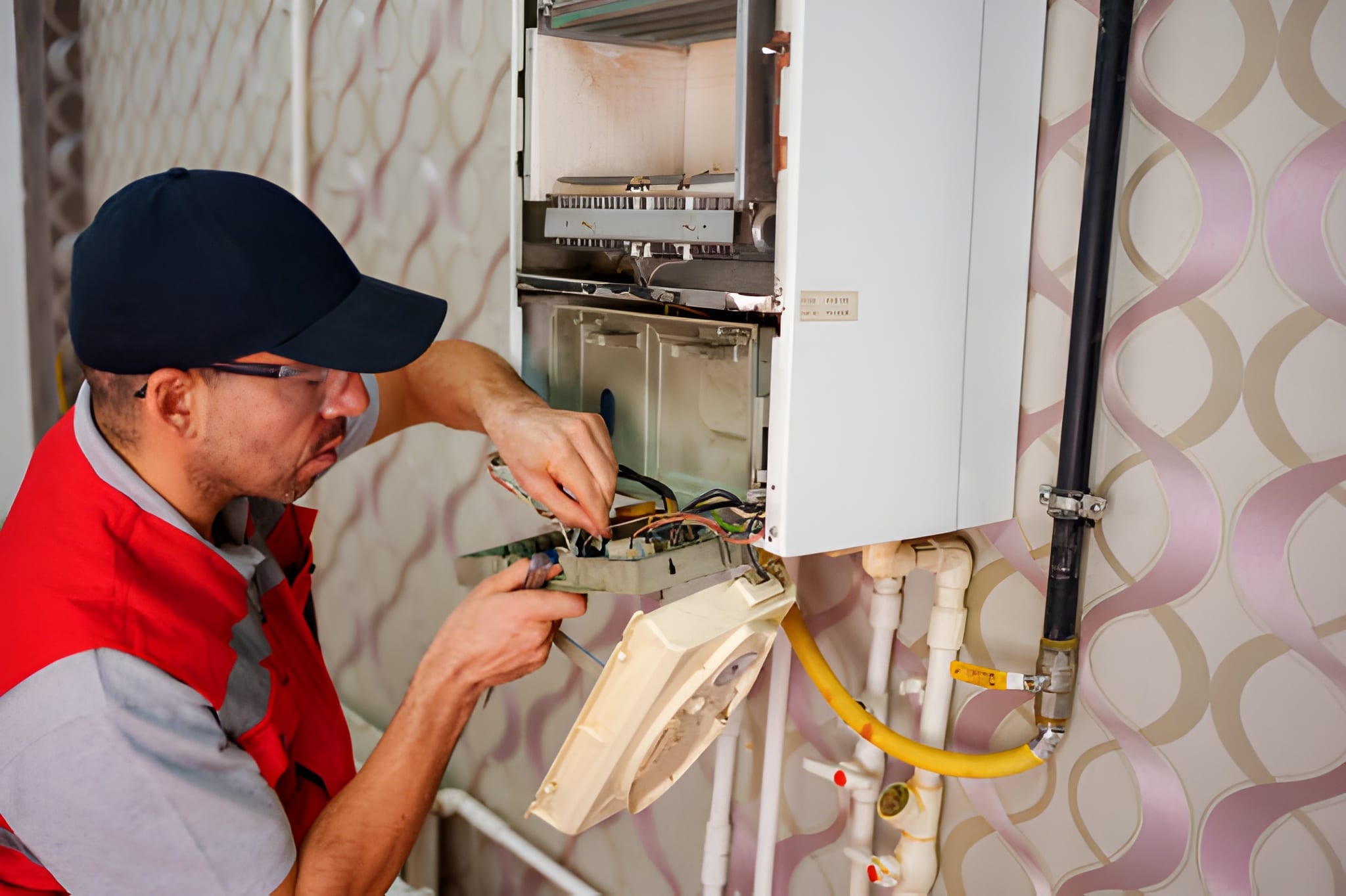
Heating Tune-up in El Monte, CA
A seasonal heating tune-up in El Monte, CA keeps your furnace or heat pump running safely, efficiently, and reliably when you need it most. Homes in the San Gabriel Valley face unique conditions that make regular maintenance important: mild winters that still require dependable heating, periodic poor air quality from wildfire smoke, and an aging housing stock with systems that often need extra attention. A professional tune-up addresses common problems before they become emergencies, improves comfort, lowers energy bills, and helps protect indoor air quality.
Why a tune-up matters for El Monte homes
- El Monte winters are short but can bring chilly mornings and nights. A pre-season tune-up ensures your heating system starts the season ready.
- Regional wildfire smoke and urban dust increase filter loading and indoor air concerns. Clean filters and airflow checks are essential for healthy indoor air.
- Older furnaces and older ductwork common in the area are more prone to leaks, reduced efficiency, and component wear. Regular maintenance extends equipment life and reduces breakdown risk.
- Even small thermostat calibration errors can lead to unnecessary runtime in a climate where heating demand fluctuates day to day.
Common heating tune-up issues in El Monte, CA
- Dirty or clogged filters from seasonal dust and smoke, causing reduced airflow and strain on the blower.
- Thermostat drift or incorrect programming leading to inefficient cycles and comfort complaints.
- Dirty burners or combustion components causing poor ignition or inefficient fuel use.
- Cracked or corroded heat exchangers in older furnaces, a safety and performance concern.
- Faulty safety controls or limit switches that cause short cycling or failure to operate.
- Restricted airflow due to dirty evaporator coils or closed/blocked vents.
- Condensate drain clogs and corrosion in high-efficiency systems that can cause water damage or shutdowns.
- Pilot light or ignition failures in gas systems due to component wear or gas pressure variation.
Inspection and maintenance checklist
A comprehensive heating tune-up in El Monte typically includes the following items. These are described in plain terms so you know what to expect:
- Filter inspection and change: Check and replace disposable or cleanable filters. Frequent replacement is often needed when outdoor air quality is poor.
- Thermostat calibration and settings review: Verify thermostat reading accuracy, reprogram schedules if needed, and check sensor operation.
- Burner and heat exchanger inspection: Clean burners, check flame quality, and visually inspect the heat exchanger for cracks, corrosion, or signs of combustion leakage.
- Safety controls and electrical checks: Test limit switches, rollout switches, ignition system, and all safety interlocks for proper operation.
- Lubrication: Lubricate motors and moving parts where applicable to reduce friction and wear.
- Airflow and duct checks: Measure and evaluate airflow, inspect accessible ductwork for disconnections or heavy dust build-up, and check supply and return vents.
- Combustion analysis and carbon monoxide check: For gas systems, measure combustion gases and check for unsafe CO levels to confirm safe burner operation.
- Ignition and pilot assembly inspection: Clean and test electronic igniters or pilot assemblies and ensure reliable start-up.
- Blower and motor inspection: Clean blower wheel, check motor amperage and belt condition if present, and inspect mounting and vibration.
- Condensate trap and drain inspection: For high-efficiency systems, check condensate drains and traps for clogs or corrosion.
- System controls and startup test: Run the system through a full operating cycle to confirm steady operation, proper cycling, and stable temperature control.
- Service report and recommendations: Provide a concise report of findings, any safety issues, and recommended repairs or parts to monitor.
What the technician looks for and how diagnostics work
Technicians use a blend of visual inspection, measurement tools, and operation testing:
- Visual checks for soot, corrosion, leaks, cracked components, or loose wiring.
- Measurement tools for gas pressure, combustion efficiency, temperature splits, and airflow where accessible.
- Carbon monoxide detectors and combustion analyzers on gas-fired systems to ensure safe exhaust and efficient combustion.
- Functional tests of thermostats, safety switches, and control boards to identify intermittent faults that only show under load.The goal is to catch failing components early, optimize combustion and airflow, and confirm the system is safe to run.
Benefits of regular heating tune-ups
- Improved efficiency and lower energy bills: Clean burners, calibrated thermostats, and unobstructed airflow reduce wasted runtime and fuel use.
- Greater reliability and fewer emergency repairs: Early detection of wear or failing parts prevents mid-season breakdowns.
- Extended equipment life: Regular maintenance reduces stress on components and helps avoid premature replacements.
- Enhanced safety: Inspections for heat exchanger integrity, combustion leaks, and CO levels address key safety concerns in gas systems.
- Better indoor air quality: Fresh filters and cleaner ductwork reduce dust, allergens, and smoke particles circulating in the home.
- Consistent comfort: Properly balanced airflow and accurate thermostat control eliminate hot and cold spots and reduce short cycling.
Recommended frequency and timing for El Monte
- Annual tune-up before the heating season: Schedule a tune-up in late September through November to prepare for the colder months and to catch issues before the first cold spell.
- More frequent attention if needed:
- Homes affected by wildfire smoke or heavy dust may benefit from filter checks every 1 to 3 months during impacted periods.
- Older systems or high-use households may require semiannual checks.
- Maintenance plans and options:
- Basic plans typically include annual inspection, filter reminders, and priority scheduling options for service calls.
- Comprehensive plans add seasonal checkups, parts discounts for recommended repairs, and more frequent filter service or indoor air quality assessments.
- Customized agreements for older equipment or homes with specific indoor air needs can include carbon monoxide monitoring, additional duct cleaning, or filter upgrades suited to wildfire smoke concerns.
Seasonal and local considerations
El Monte residents should account for local air quality events and urban dust when planning maintenance. Replacing standard filters with higher MERV-rated options may improve filtration during smoke events, but balancing filter efficiency with system airflow is important—professional advice helps select the right option. Coastal marine layers and temperature swings in Southern California cause intermittent heating demand, so ensuring proper thermostat calibration avoids unnecessary cycling.
Customer
Testimonials
Our customers consistently praise the exceptional service and professionalism of our team. They appreciate the honest advice, meticulous work, and the care taken to ensure their satisfaction.

.webp)
Service Areas
