

Heating Tune-up in Agoura Hills, CA

For homes in Agoura Hills, CA, a comprehensive seasonal heating tune-up is key to comfortable living. We at Plum HVAC understand local stressors like dust, wildfires, and temperature swings that can really affect your furnace and heat pump. That's why our professional tune-up restores airflow, ensures safe combustion, and significantly reduces energy consumption. Our service checklist is thorough, covering filtration, ignition, combustion safety, thermostats, ductwork, electrical components, lubrication, and all necessary safety documentation. We always recommend annual inspections, seasonal filter changes, and offer maintenance tips to boost your system's reliability and comfort.
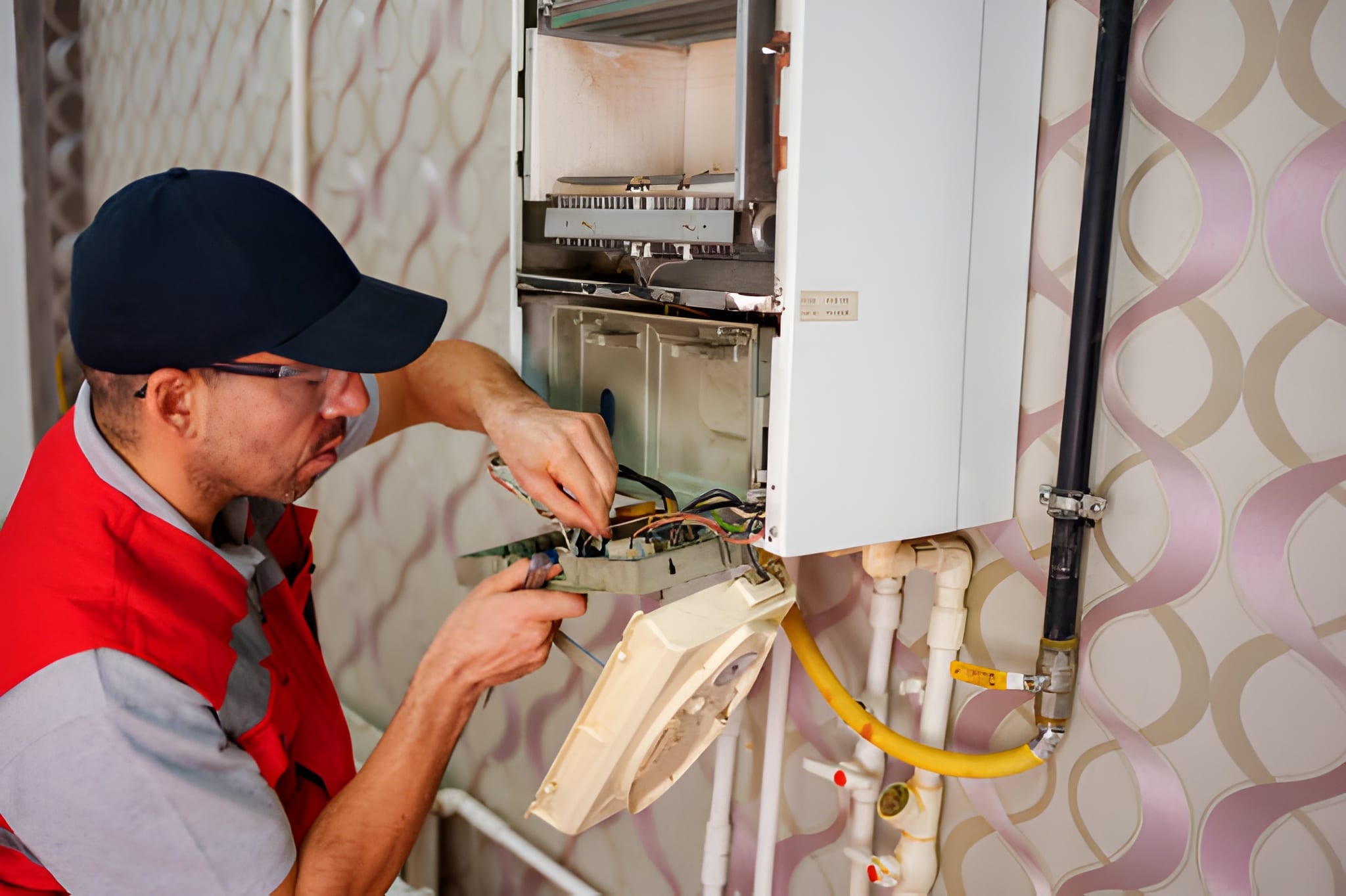
Heating Tune-up in Agoura Hills, CA
Keeping your heating system reliable, safe, and efficient is important even in Agoura Hills, where winters are mild but nights can get chilly and the region’s unique environmental factors put extra stress on equipment. A professional heating tune-up in Agoura Hills, CA focuses on safety checks, efficiency improvements, and preventative maintenance so your system runs dependably when you need it, uses less energy, and lasts longer.
Why a seasonal heating tune-up matters in Agoura Hills
Agoura Hills homes face specific conditions that influence heating performance:
- Mild winters but frequent temperature swings between daytime and nighttime increase run cycles and can reveal system weaknesses.
- Proximity to wildland and canyon areas means more dust, pollen, and occasional wildfire smoke that quickly clog filters and reduce indoor air quality.
- Santa Ana winds and seasonal humidity changes contribute to airborne debris and moisture that can affect combustion and corrosion over time.
A tune-up addresses these local stressors by restoring airflow, verifying safe combustion, and reducing the strain that leads to breakdowns and higher energy bills.
Common heating tune-up issues in Agoura Hills
Many of the service calls we see locally stem from preventable problems:
- Dirty or clogged filters causing low airflow and short cycling
- Sooty or yellow burner flames indicating combustion issues
- Pilot and ignition problems after long idle periods
- Thermostats out of calibration causing inaccurate temperature control
- Dust and debris in ducts lowering system efficiency and indoor air quality
- Restricted vents and obstructed supply returns in homes with seasonal open windows and pets
Addressing these during a tune-up minimizes emergency repairs and keeps your system operating safely.
What a comprehensive heating tune-up includes
A full seasonal tune-up covers a checklist of inspections and adjustments tailored to gas furnaces, electric furnaces, and heat pumps commonly used in Agoura Hills:
- Filter change and inspection
- Replace or clean filters; recommend filter MERV level based on indoor air needs
- Advise on more frequent changes during wildfire season or high pollen months
- Burner, pilot, and ignition inspection
- Clean burners, verify proper flame color and pattern
- Test electronic ignition or pilot assembly for reliable starts
- Combustion and safety checks
- Measure combustion gases where applicable and check for carbon monoxide or incomplete combustion
- Inspect heat exchanger for cracks, check safety switches and limits
- Thermostat calibration and controls
- Confirm thermostat accuracy and make calibration adjustments
- Verify fan, heat pump reversing valve, and cycle timers
- Airflow and duct assessment
- Inspect supply and return registers for blockages
- Check duct connections for visible leaks and measure airflow if necessary
- Recommend duct cleaning when heavy dust, soot, or pest debris is present
- Electrical and mechanical inspection
- Tighten electrical connections, test capacitors and motors
- Inspect belts and bearings on older blower assemblies
- System lubrication and adjustments
- Lubricate motors and moving parts where applicable
- Adjust blower speeds and airflow for optimal comfort and efficiency
- Safety documentation
- Log findings and recommend prioritized repairs for safety or efficiency concerns
How diagnostics work — what technicians check and why it matters
Technicians use a combination of visual inspection, basic measurements, and simple diagnostic tools:
- Observe burner flame color and pattern to detect fuel-to-air ratio issues
- Test for carbon monoxide and flue draft to ensure safe venting
- Measure temperature rise across the heat exchanger to confirm proper heat transfer
- Check static pressure and return temperature to identify duct restrictionsThese checks identify problems affecting safety and efficiency before they become costly failures.
Recommended frequency and timing
- Annual tune-up: For most gas furnaces and electric furnaces, once a year before the heating season (late summer or early fall) is standard.
- Biannual inspection: Homes with heat pumps or combined HVAC systems that heat and cool year round benefit from inspections in both spring and fall.
- More frequent filter changes: Replace or clean filters every 1 to 3 months depending on pollen, wildfire smoke, pets, or occupants with allergies.
Scheduling a tune-up ahead of the cooler months ensures your system is ready and helps avoid summertime or early-season rushes.
Benefits you can expect after a tune-up
- Improved safety: Combustion checks and heat exchanger inspections reduce the risk of carbon monoxide exposure and other hazards.
- Better efficiency and energy savings: Properly tuned burners, clean filters, and balanced airflow reduce fuel use and lower operating costs.
- Fewer breakdowns: Preventative adjustments and early detection of worn parts extend equipment life and reduce emergency repair frequency.
- More consistent comfort: Calibrated thermostats and corrected airflow mean fewer hot or cold spots and steadier indoor temperatures.
- Cleaner indoor air: Fresh filters and duct attention reduce dust, pollen, and smoke particulates circulating through your home.
Practical maintenance tips for Agoura Hills homeowners
- During wildfire season or windy periods change filters more often to prevent smoke and dust buildup.
- Keep outdoor vents and intake areas clear of leaves, landscaping debris, and rodent nests.
- Seal obvious duct leaks in attics and crawl spaces to prevent energy loss and reduce dust entry.
- Use a programmable or smart thermostat to reduce unnecessary runtime and lower energy costs.
- If your home is near open space or canyon areas, consider a higher-efficiency filter to capture fine particles.
Customer
Testimonials
Our customers consistently praise the exceptional service and professionalism of our team. They appreciate the honest advice, meticulous work, and the care taken to ensure their satisfaction.

.webp)
Service Areas
