

Heating Repair in Agoura Hills, CA

Plum HVAC offers comprehensive heating repair services for Agoura Hills homes, detailing common system problems and a step-by-step diagnostic and repair process with rapid emergency options. We handle typical repairs for furnaces, boilers, and heat pumps, ensuring our technicians meet high qualification standards. We'll help you assess whether repair or replacement is best, understand project timelines and costs, and provide practical maintenance tips to extend equipment life and maintain indoor comfort in our mild Southern California climate. Trust Plum HVAC to keep you warm.
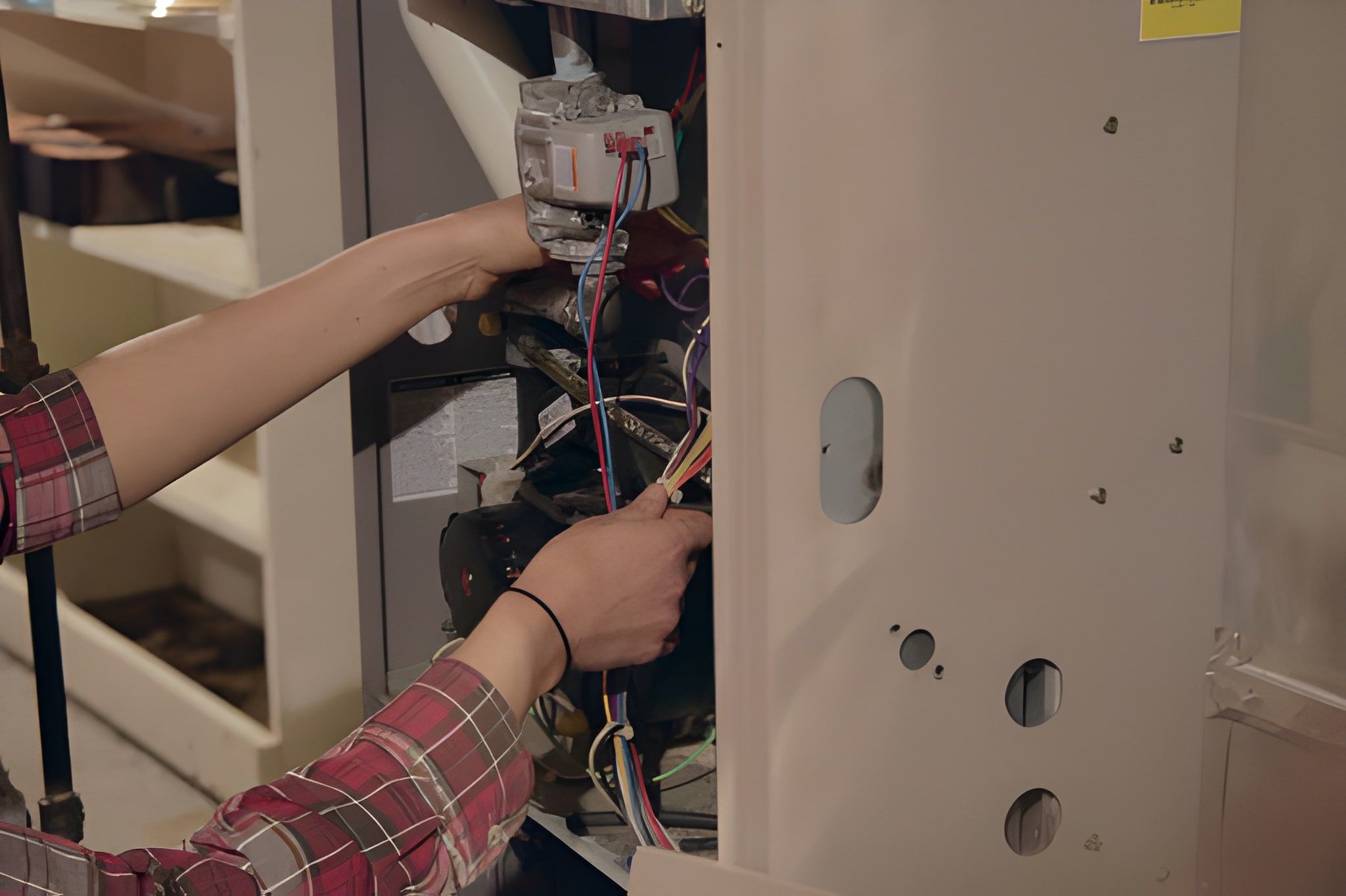
Heating Repair in Agoura Hills, CA
Reliable heating repair in Agoura Hills, CA starts with understanding the unique needs of local homes and delivering clear, safety-first solutions. Though the coastal foothills have relatively mild winters, night-time lows, marine layer days, and air quality issues from seasonal wildfires make dependable heating and indoor comfort important. This page explains common heating system problems in Agoura Hills, the step-by-step diagnostic and repair process, emergency and rapid-response capabilities, typical services offered, technician qualifications and warranty practices, and practical guidance on repair versus replacement.
Why timely heating repair matters in Agoura Hills homes
Even brief heating failures can affect comfort and indoor air quality. Older systems that run inefficiently drive up energy use and can strain components during cold snaps. Homes near the Santa Monica Mountains may also see more dust and smoke intrusion, which accelerates filter clogging and forces HVAC components to work harder. Prompt, professional heating repair reduces safety risks, restores efficient operation, and helps extend equipment life.
Common heating system problems in Agoura Hills
- Uneven heating or cold zones during cool nights
- Short cycling (system turns on and off rapidly)
- No heat from furnace, boiler, or heat pump despite power on
- Unusual noises: rattling, banging, or high-pitched squeal
- Weak airflow or blowing cool air when heat is selected
- Pilot or ignition failure on gas equipment
- Frequent tripping of breakers or electrical faults
- Refrigerant leaks or reduced heating capacity on heat pumps
- Persistent odors or signs of combustion problems
These issues can be triggered by dirty filters, failing controls, worn motors, ductwork leaks, refrigerant loss, or combustion and venting problems on gas systems.
Typical heating repair services
- Furnace repair: ignition systems, heat exchanger inspection, gas valve and control board repairs, blower motor replacement, flame sensor cleaning
- Boiler service: leak repair, burner adjustment, pressure/temperature control repair, circulator pump replacement
- Heat pump repair: compressor and reversing valve service, refrigerant leak detection and recharge (EPA-certified handling), defrost cycle repairs
- Thermostats and controls: calibration, programmable and smart thermostat setup, zone control repairs
- Ductwork repairs: sealing leaks, replacing damaged sections, addressing airflow restrictions
- Electrical and safety systems: limit switches, relays, breakers, and safety interlocks
- Indoor air quality components: filter service, UV light and ionizer troubleshooting, humidifier repairs
Step-by-step diagnostic and repair process
- Initial safety and status check
- Confirm system power, thermostat settings, and visible error codes. For gas systems, check for smell of gas and safely isolate supply if needed.
- Visual inspection
- Inspect filters, burners or heat exchanger, vents, duct connections, condensate drains, and wiring for obvious faults.
- Functional testing
- Run controlled tests: call for heat, observe cycling behavior, listen for noises, and measure airflow. For heat pumps, measure suction and discharge pressures.
- Electrical and component testing
- Test relays, capacitors, motors, and control boards with appropriate instruments. Check for voltage irregularities and ground faults.
- Combustion and safety verification (gas-fired systems)
- Perform combustion analysis and flue inspection to verify safe venting and efficient burner operation.
- Diagnostics report and options
- Provide a clear description of findings, safety concerns, and recommended repairs with estimated timelines and parts required.
- Repair and quality testing
- Replace or repair components, then retest the system under normal operating conditions and document before-and-after performance.
- Documentation and warranty info
- Leave a written report of work performed, parts used, and any warranty coverage on parts and labor.
Emergency and rapid-response capabilities
Heating issues can arise during off-hours or on cold nights. Rapid-response repair for Agoura Hills homes includes prioritized scheduling for safety-related failures, guidance for interim safety measures (shutting off gas, temporary electric heat options), and fast on-site diagnostics to restore safe operation quickly. Technicians arrive equipped for common on-the-spot repairs and to source parts quickly if more extensive work is required.
Technician certifications and standards
Qualified technicians follow industry best practices and hold relevant certifications, typically including:
- Licensed California HVAC contractors (C-20) for major heating system work
- NATE or equivalent technician certification for proven HVAC competence
- EPA Section 608 certification for handling refrigerants on heat pumps
- Ongoing manufacturer training for brand-specific systems and controls
Technicians follow safety protocols for gas and electrical systems, use calibrated diagnostic tools, and provide transparent documentation of repairs and test results.
Warranty and repair guarantees
Standard practices include clearly stated workmanship warranties and adherence to manufacturer parts warranties when applicable. Typical coverage may include:
- Manufacturer parts warranties for covered components (varies by brand and component)
- Workmanship warranty on repairs for a specified period (commonly 90 days to 1 year)
- Documentation provided after service describing warranty terms and any conditions affecting coverage
For peace of mind, ensure warranty terms are provided in writing and understand what actions or conditions could void coverage, such as improper maintenance or unauthorized modifications.
Repair vs. replacement: practical guidance for Agoura Hills homeowners
Deciding whether to repair or replace depends on several objective factors:
- Age of the system: Furnaces and boilers older than 15-20 years, and heat pumps older than 10-15 years, often justify replacement.
- Frequency and cost of repairs: Multiple repairs in a short span or a single repair close to the value of a new system favors replacement.
- Efficiency and operating cost: New heat pumps and high-efficiency furnaces deliver measurable energy savings in a mild Southern California climate, improving comfort and reducing runtime.
- Safety and reliability: Cracked heat exchangers, major combustion or venting problems, or repeated electrical hazards are reasons to replace.
- Home comfort goals: If you need improved zoning, better humidity control, or quieter operation, replacement may offer the best long-term value.
- Environmental and refrigerant considerations: Older systems using phased-out refrigerants may be more costly to service and may warrant replacement.
A balanced recommendation weighs immediate safety needs, estimated remaining life, projected energy savings, and local climate suitability. In Agoura Hills, heat pumps are often an excellent match because they provide efficient heating for moderate winters and can also support summer cooling.
Maintenance tips to avoid future repairs
- Replace filters every 1 to 3 months, more often during wildfire season or if pets are present.
- Schedule annual or biannual professional tune-ups: furnace/boiler inspection before winter and heat pump check before heating season.
- Keep outdoor units clear of debris, leaves, and irrigation spray to preserve airflow and compressor life.
- Seal and insulate ducts in unconditioned spaces to prevent heat loss and reduce cycling.
- Monitor thermostat performance and update batteries or settings as needed.
Consistent maintenance reduces emergency calls and keeps heating systems operating efficiently in Agoura Hills homes.
Final note on value
A professional, safety-first heating repair approach restores comfort quickly, improves efficiency, and extends equipment life. By understanding common issues, following a clear diagnostic process, and considering technician qualifications and warranty protections, Agoura Hills homeowners can make informed decisions about repair versus replacement that match their comfort, budget, and long-term needs.
Customer
Testimonials
Our customers consistently praise the exceptional service and professionalism of our team. They appreciate the honest advice, meticulous work, and the care taken to ensure their satisfaction.

.webp)
Service Areas
