

Heating Replacement in Agoura Hills, CA

For Agoura Hills homeowners, our Precise Air Systems (FERGUSON) team helps you understand when a heating replacement is truly necessary, compares efficient options specifically suited for mild climates, and explains the key signs your system is nearing its end-of-life. We cover the entire process, from evaluation and selection to permits and installation steps, including safe demolition and disposal. We highlight potential energy savings, important filtration and ductwork considerations, and available rebates or financing, empowering you to choose a reliable, cost-effective solution with confidence. We ensure you understand the entire sequencing, from initial assessment to deployment and ongoing maintenance for optimal long-term performance. Make informed decisions with clear costs and timelines.
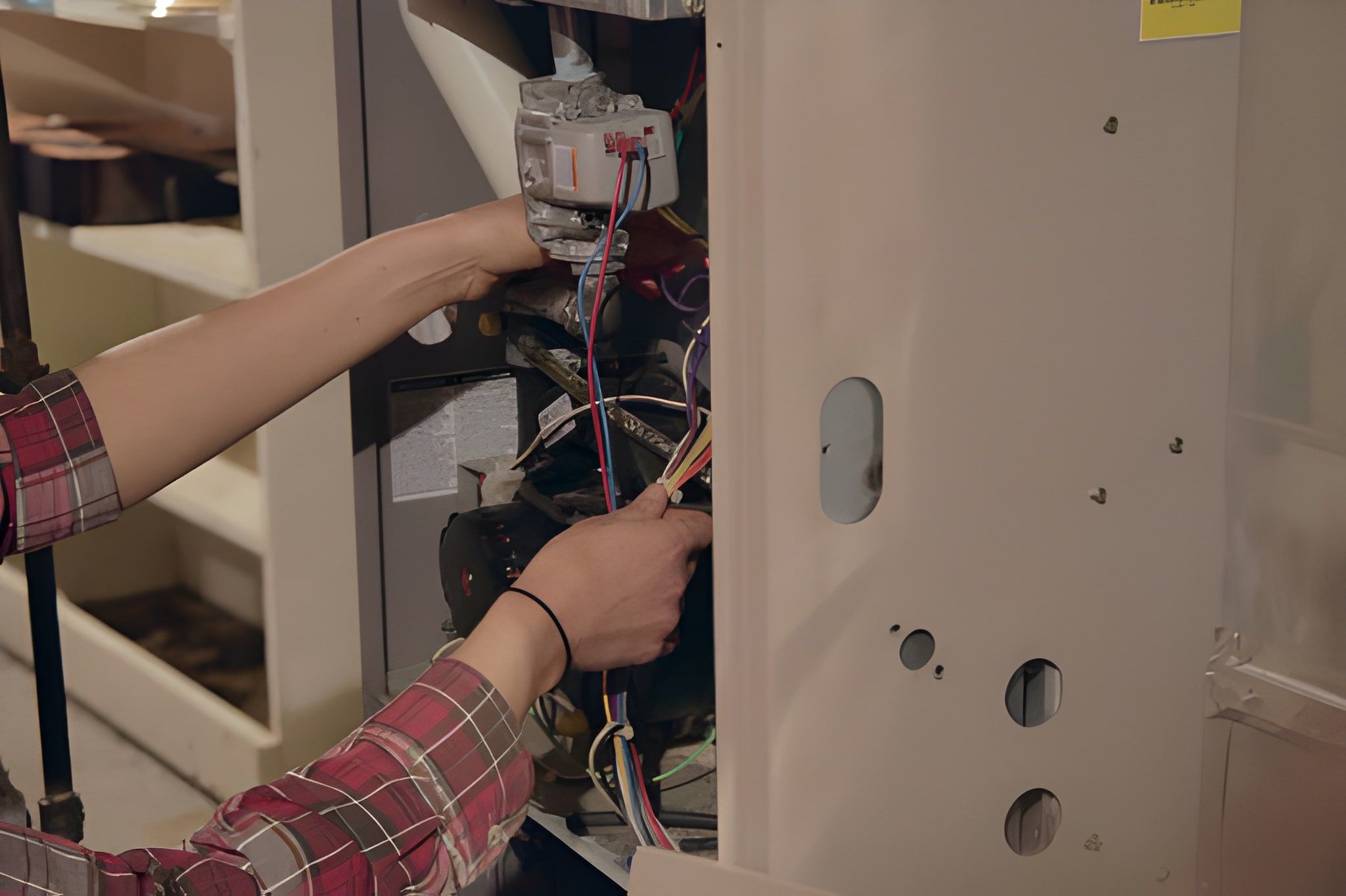
Heating Replacement in Agoura Hills, CA
Replacing an aging furnace or heating system is a major decision for Agoura Hills homeowners. Whether your equipment is unreliable, expensive to run, or near the end of its useful life, an informed replacement improves comfort, indoor air quality, and long-term energy costs. This page explains how to recognize end-of-life for heating equipment, compares efficient replacement options suited to Agoura Hills’ mild Mediterranean climate, outlines the replacement process from evaluation to safe disposal, and summarizes potential rebates and financing so you can make a confident, practical choice.
Why replacement matters in Agoura Hills
Agoura Hills has relatively mild winters, but cold snaps and cool nights create real heating needs. Many local homes are older or have mixed HVAC systems that were installed before modern efficiency standards. Additionally, wildfire smoke events increase the importance of reliable HVAC filtration and properly sealed ductwork. Replacing an outdated furnace or switching to a more efficient system can reduce energy costs, improve comfort on chilly evenings, and enhance indoor air quality during smoke episodes.
How to tell your heating system is at end-of-life
Look for these common signs that a furnace or heating system needs replacement:
- Frequent repairs: Increasing repair frequency and repair costs often exceed the value of continued service.
- Age: Furnaces older than 15 to 20 years typically reach end-of-life. Heat pumps often reach replacement windows sooner depending on use.
- Rising energy bills: Noticeably higher heating bills despite similar usage indicates decreased efficiency.
- Uneven heating or poor airflow: Worn components or duct leaks reduce performance and comfort.
- Safety or reliability concerns: Persistent carbon monoxide sensor trips, yellow burner flame, or repeated pilot light issues mean the system is unsafe or unreliable.
- Noise and odors: New and unusual noises, or burning smells, suggest major component wear or a failing system.
Energy-efficient replacement options for Agoura Hills homes
Evaluate your home’s needs, budget, and desire to electrify when choosing a replacement. Key options include:
- High-efficiency gas furnaces: Modern condensing furnaces offer AFUE ratings above 95 percent. Good for homes that rely on natural gas and where ductwork is compatible.
- Electric heat pumps: Air-source heat pumps provide both efficient heating and cooling and are increasingly suitable in mild climates like Agoura Hills. Look for models with high HSPF and SEER ratings.
- Dual-fuel systems: Combine a heat pump with a gas furnace to maximize efficiency across temperature ranges.
- Zoned systems and ductless mini-splits: Ideal for additions, older homes with poor duct systems, or to add targeted comfort without a full duct retrofit.
When comparing options, consider efficiency ratings (AFUE for furnaces, HSPF/SEER for heat pumps), expected lifespan, and compatibility with home insulation and ductwork.
Cost estimates and potential savings
Replacement cost varies by equipment type, home size, and any necessary duct or electrical upgrades. Typical ranges:
- High-efficiency gas furnace: equipment and install commonly fall in a mid-range depending on model and ductwork condition.
- Air-source heat pump: equipment and installation can be comparable or slightly higher than a furnace, but often yields lower operating costs in mild climates.
- Ductless mini-split: per-zone pricing varies; useful for targeted replacements or rooms lacking ducts.
Potential annual savings depend on current equipment and system choice. Replacing a 70 percent AFUE furnace with a 95 percent unit or switching to a heat pump can lower heating energy use substantially. Calculate payback by comparing estimated yearly energy costs for the old and new systems and factoring in local utility rates. Agoura Hills customers should account for Southern California electricity and natural gas rates when estimating savings.
Evaluation, permitting, and installation steps
A proper replacement follows clear steps to ensure performance and code compliance:
- Home evaluation: A heat load calculation (Manual J) determines the correct system size. Inspect insulation, windows, and ductwork condition.
- Equipment selection: Choose a system sized for your home, considering efficiency, fuel type, and features such as variable-speed blowers or advanced filtration.
- Permits and code compliance: Local building permits and inspections in Los Angeles County are generally required for furnace and major HVAC replacements.
- Ductwork and electrical checks: Assess and seal or modify ducts as needed. Heat pumps may require electrical upgrades.
- Removal and demolition: The old unit is disconnected, safely removed, and the installation area prepared.
- Installation and connections: New equipment is set, gas and refrigerant lines or electrical connections made, and the system integrated with controls.
- Testing and commissioning: Technicians test for proper airflow, combustion safety, refrigerant charge (for heat pumps), thermostat calibration, and system balancing.
- Documentation: Final paperwork includes permits, equipment manuals, warranty registration, and maintenance guidance.
Demolition and safe disposal
California has strict regulations for appliance disposal and refrigerant handling. Proper procedures include:
- Refrigerant recovery: Certified technicians must recover refrigerant from heat pumps before disposal.
- Safe gas line capping: Gas lines are shut off and capped according to code to prevent leaks.
- Recycling: Metals and components are recycled where possible. Oil, filters, and other hazardous materials are handled per local environmental rules.
- Documentation: Disposal manifests and recycling receipts may be provided for compliance.
Safe disposal protects your property, the community, and the environment.
Rebates, incentives, and financing options
Agoura Hills homeowners often qualify for a combination of incentives:
- Federal tax credits and state incentives: Energy-efficient heating equipment can qualify for federal tax credits and California-specific programs that encourage electrification and efficiency.
- Utility rebates: Southern California utility programs may offer rebates for high-efficiency furnaces, heat pumps, or home efficiency upgrades.
- Local financing: Options such as property-assessed clean energy (PACE) programs, manufacturer or lender financing, and utility on-bill programs can spread payment over time.
Availability and eligibility vary. Factor incentives into lifecycle cost calculations to better understand payback and overall value.
Long-term benefits and maintenance tips
Replacing your heating system brings several ongoing advantages:
- Lower operating costs through higher efficiency.
- Improved comfort with consistent temperatures and better humidity control.
- Enhanced indoor air quality when combined with upgraded filtration and sealed ducts, important during wildfire smoke events.
- Reduced repair risk and improved reliability during cold periods.
To protect your investment, schedule annual maintenance, change filters regularly, keep outdoor units clear of debris, and address duct leaks or insulation gaps promptly.
Making the decision
A heating replacement in Agoura Hills should balance upfront investment, long-term energy savings, climate suitability, and indoor air quality needs. Prioritize a professional evaluation that includes a heat load calculation, duct inspection, and comparison of system lifecycle costs including rebates. Timely replacement reduces the chance of midwinter failures, improves comfort, and aligns your home with California’s energy efficiency trends.
Customer
Testimonials
Our customers consistently praise the exceptional service and professionalism of our team. They appreciate the honest advice, meticulous work, and the care taken to ensure their satisfaction.

.webp)
Service Areas
