

Heating Service in Rolling Hills Estates, CA

This service page outlines comprehensive heating support for Rolling Hills Estates, CA, covering assessment, maintenance, repairs, and installation of gas furnaces, heat pumps, boilers, and hybrids. It explains the diagnostic process, common issues, and safety checks, emphasizing corrosion from coastal salt air and the importance of regular tune-ups. It highlights the value of timely service for efficiency, reliability, and long equipment life, and guides homeowners on warranties, financing, timelines, and what to expect during a typical visit.
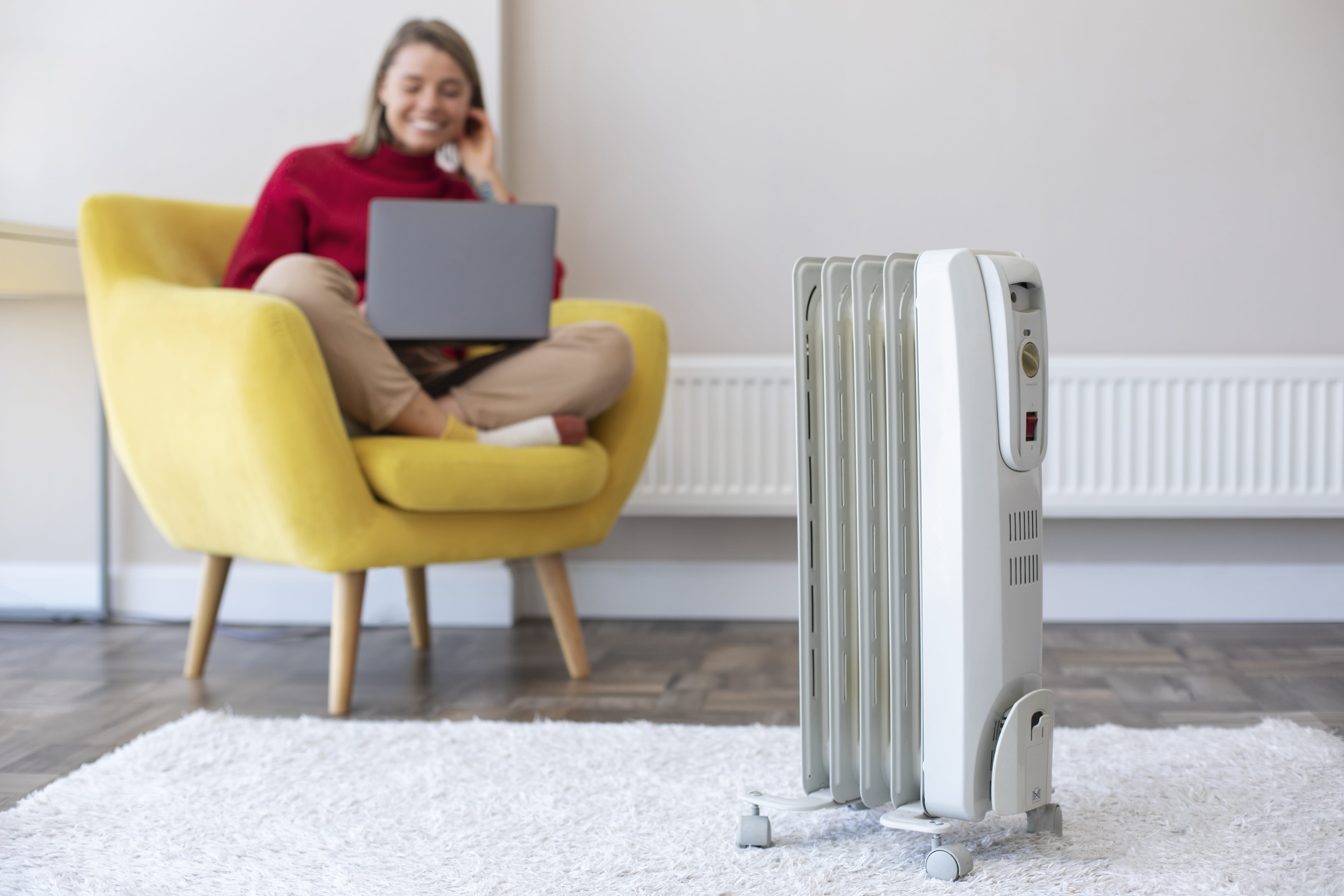
Heating Service in Rolling Hills Estates, CA
Keeping your home comfortable year-round in Rolling Hills Estates, CA means having a heating system that performs reliably, safely, and efficiently. Whether you live on the coastal slopes of the Palos Verdes Peninsula or in a sheltered canyon, occasional cool nights and marine layer conditions make dependable heating important. This page outlines the full range of heating services offered for local homes, explains the assessment and repair process, and clarifies what to expect during inspections, maintenance, repairs, installations, and replacements.
Why professional heating service matters in Rolling Hills Estates, CA
Rolling Hills Estates experiences mild winters but frequent temperature swings between daytime warmth and chilly evenings. Salt air from the nearby ocean can accelerate corrosion on outdoor equipment, and many homes mix gas and electric systems. Timely maintenance preserves efficiency, extends equipment life, reduces carbon monoxide and fire risks, and helps avoid inconvenient mid-season failures when temperatures suddenly drop.
Common heating system types we service
We work on the heating systems most commonly found in Rolling Hills Estates homes, including:
- Gas furnaces - single-stage, two-stage, and modulating systems
- Electric and infrared heaters
- Heat pumps - air-source and ductless mini-split systems (including seasonal heating and cooling checks)
- Boilers - hydronic systems used with radiators or radiant floor heating
- Hybrid/dual-fuel systems - combined heat pump and furnace setups
- Older legacy systems often found in vintage or remodeled homes
Brand familiarity typically includes major manufacturers commonly installed throughout Southern California, ensuring appropriate parts, settings, and tuning for optimal performance.
Common heating issues in Rolling Hills Estates
Homeowners here often see the following problems:
- Uneven heating or cold spots due to duct leaks or zoning issues
- Short cycling from oversized or improperly configured equipment
- Reduced heat output caused by clogged filters, failing blowers, or low refrigerant in heat pumps
- Corrosion and premature failure of outdoor components because of coastal salt air
- Safety concerns like cracked heat exchangers or malfunctioning carbon monoxide sensors
- Thermostat and control malfunctions after electrical or seasonal changes
Full assessment and diagnostic process
A thorough assessment starts with a visual and operational inspection, then proceeds to targeted diagnostics:
- Review system history and recent symptoms reported by the homeowner.
- Inspect combustion safety components for gas systems, including flame sensors, pilot assemblies, and heat exchangers.
- Check electrical connections, capacitors, blower motors, and controls.
- Measure airflow, duct pressures, and temperature differentials to identify restrictions or balancing issues.
- For heat pumps, test refrigerant charge, reversing valve operation, and defrost cycle performance.
- Evaluate vents, filters, condensate drains, and outdoor unit condition for corrosion or debris.
Each diagnostic step helps determine whether maintenance, repair, or replacement is the most cost-effective and reliable option.
Routine maintenance you should expect
Regular preventive care keeps systems working efficiently:
- Replace or clean air filters and check filter sizing for optimal airflow
- Lubricate moving parts, tighten electrical connections, and test safety switches
- Clean burners, heat exchangers, and flue paths for gas equipment
- Inspect and clear condensate lines and pans on heat pump or high-efficiency systems
- Calibrate thermostats and verify zoning controls
- Inspect ductwork for leaks and insulation gaps that reduce efficiency
Maintenance intervals are typically annual for furnaces and boilers, and twice-yearly for heat pump systems when balancing heating and cooling seasons.
Repairs, installations, and replacements explained
Repairs address targeted failures while keeping overall system life in mind:
- Common repairs: blower motor replacements, control board fixes, ignition or pilot assembly service, refrigerant recharge for heat pumps, and duct sealing.
- Installations: new furnaces, heat pumps, or boilers are sized using load calculations that factor local climate, home insulation, window area, and layout to avoid oversized systems and the problems they cause.
- Replacements: when repair costs approach or exceed the remaining expected life of the system, replacement is advised. Modern high-efficiency units can offer substantial operating-cost savings, especially in homes with older equipment.
Installations include removal of old components, proper venting or refrigerant handling per code, thermostat setup, and performance verification under local conditions.
Safety and efficiency checks
Every service includes essential safety and efficiency checks:
- Carbon monoxide testing and combustion analysis for gas systems
- Proper venting and flue integrity inspections
- Combustion air and gas line leak checks
- Efficiency tuning, including burner adjustments and refrigerant optimization
- Verification of safety controls and limit switches
These checks reduce safety risks and help achieve the best operating efficiency for your system.
Warranty and financing considerations
Typical warranty structures include manufacturer parts and labor coverage as well as separate warranty options for workmanship. When planning replacements, homeowners often compare:
- Manufacturer warranty duration and what it covers
- Transferability if you sell the home
- Local code compliance for retrofits
- Available financing structures to spread capital costs over time
Discussing warranty terms and financing options before service helps align long-term protection with budget preferences.
Typical timelines and what to expect during a service visit
- Diagnostic visits are usually completed in one appointment and include a written assessment of findings and recommended next steps.
- Minor repairs or tune-ups are commonly completed the same day. More extensive repairs requiring parts or major replacements may take a few days to schedule and complete.
- Installations for new systems generally take one to three days depending on complexity, ductwork work, or upgrades to ventilation and controls.
- Technicians will arrive equipped to inspect the system, discuss findings in plain language, and perform work with minimal disruption to your home.
Technicians follow standard safety protocols and leave work areas clean, documenting any changes or recommendations for future care.
Long-term benefits and maintenance advice
Regular professional service delivers direct benefits:
- Lower utility bills through improved efficiency
- Fewer mid-season breakdowns and longer equipment life
- Improved indoor comfort and air quality
- Reduced safety risks from combustion or electrical issues
For Rolling Hills Estates homes, consider scheduling heating inspections in early fall to prepare for cooler nights and to address coastal corrosion risks before winter. Combine heating service with a duct inspection and insulation review to maximize year-round comfort and savings.
Customer
Testimonials
Our customers consistently praise the exceptional service and professionalism of our team. They appreciate the honest advice, meticulous work, and the care taken to ensure their satisfaction.

.webp)
Service Areas
