

Heating Repair in Rolling Hills Estates, CA

Heating repair in Rolling Hills Estates, CA provides residents with clear, dependable solutions for restoring comfort and efficiency. The service includes detailed on-site diagnostics, identification of common failure symptoms, and transparent pricing to ensure confidence at every step. Technicians explain typical repair procedures, replacement parts, response times, and available emergency options. Homeowners also receive guidance on warranty coverage, preventive maintenance practices, and how to evaluate repair quotes versus replacement costs. This approach empowers residents to make informed decisions while maintaining safety, reliability, and energy efficiency throughout the heating season.
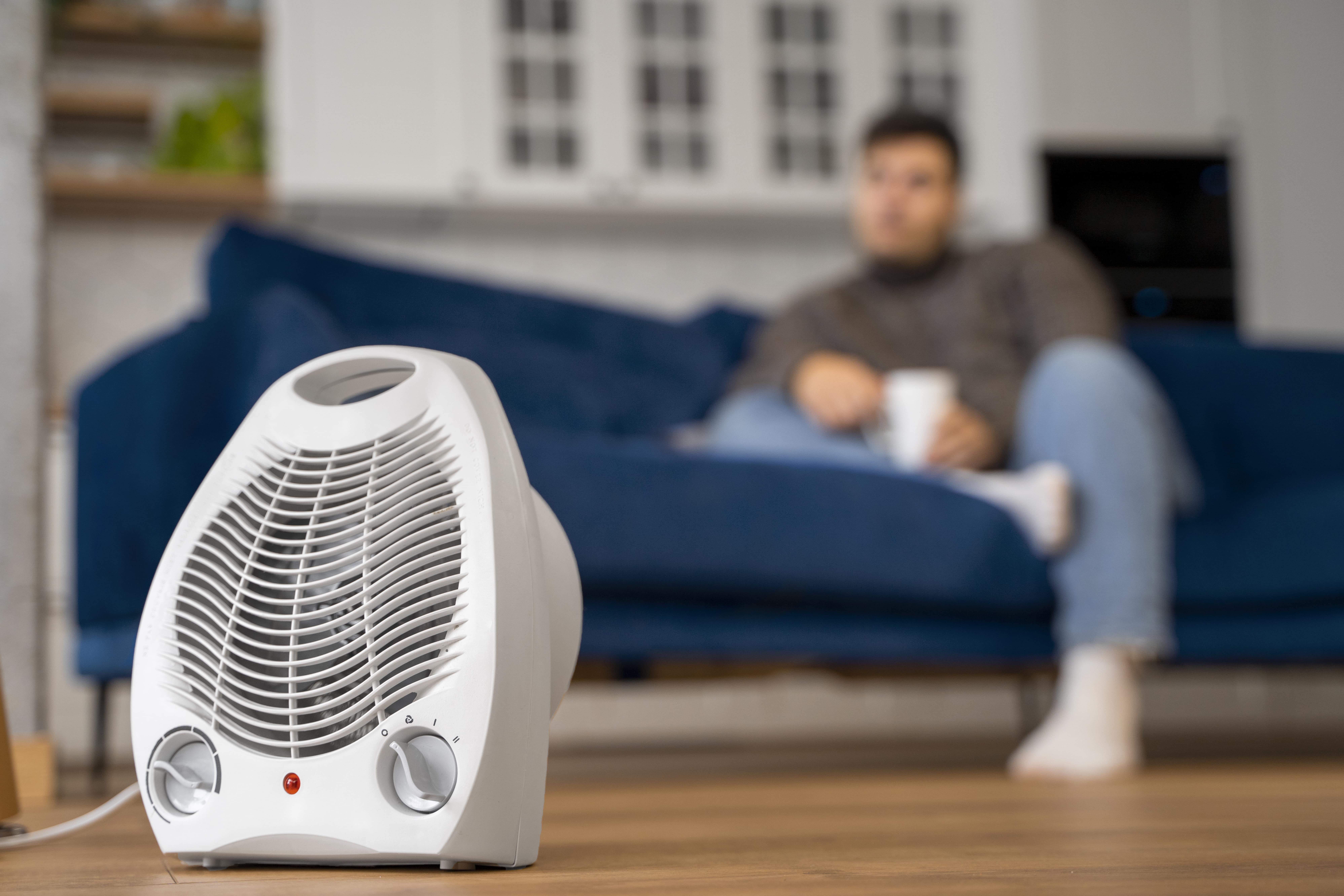
Heating Repair in Rolling Hills Estates, CA
Keeping your heating system reliable and efficient is essential for comfort and safety in Rolling Hills Estates, CA. Whether your home faces cooler coastal nights, morning marine layer dampness, or temperature swings influenced by inland Santa Ana winds, timely professional heating repair prevents small problems from becoming expensive breakdowns. This page explains common failure symptoms, how on-site diagnostics work, parts and labor practices, estimated response times and emergency repair options, transparent quoting, warranty expectations, and practical tips to reduce future failures — all focused on heating repair in Rolling Hills Estates.
Why heating repair matters in Rolling Hills Estates
Homes on the Palos Verdes Peninsula experience a unique combination of coastal humidity and occasional wind-driven temperature changes. Salt air can accelerate corrosion on outdoor components, while older homes in the area may have aging furnaces, heat pumps, or ductwork that are more vulnerable to leaks and efficiency loss. Prompt heating repair restores comfort, improves energy efficiency, and addresses safety concerns such as carbon monoxide risks associated with combustion equipment.
Common heating failure symptoms in Rolling Hills Estates
Recognizing these symptoms early helps you decide when to call a professional:
- No heat or intermittent heating - Thermostat calls for heat but system won’t run, or cycles on and off frequently.
- Weak or uneven airflow - Warm air does not reach some rooms, indicating duct leaks or blower problems.
- Unusual noises - Rattling, banging, or squealing from the furnace or heat pump often point to loose parts or failing motors.
- Strong odors - A persistent burning smell or rotten-egg odor (natural gas) requires immediate attention.
- Higher energy bills - Sudden increases in heating costs often signal reduced efficiency from dirty filters, failing components, or improper combustion.
- Pilot or ignition failure - Older furnaces may fail to light reliably; modern units can have electronic ignition faults.
- Short cycling or frequent tripping of safety switches - Could indicate overheating, restricted airflow, or electrical issues.
On-site diagnostic procedures
A professional diagnostic follows a methodical process so repairs target the real cause, not symptoms.
- Initial visual inspection - Check access panels, filters, vents, thermostat settings, and obvious signs of wear, corrosion, or leaks.
- Thermostat and controls - Verify thermostat calibration and control signals to the heating system.
- Airflow assessment - Inspect blower motor, fan, and return/ supply vents for obstructions and measure static pressure when needed.
- Ignition and combustion checks - For gas systems, inspect pilot or electronic ignition and perform a combustion analysis if required to ensure safe operation.
- Heat exchanger inspection - Look for cracks or corrosion that can create CO risks.
- Electrical and safety checks - Test capacitors, relays, wiring, and safety switches to identify failing electrical components.
- System performance run - Run the system through a full cycle to observe behavior under load and confirm fault replication.
Diagnostics are documented and discussed in plain language so you understand the cause and recommended repairs.
Typical repair solutions and parts
Repairs depend on the diagnosis and may include:
- Cleaning or replacing air filters and condensate drains
- Replacing ignition modules, flame sensors, or pilot assemblies
- Repairing or replacing blower motors and belts
- Fixing or sealing duct leaks and balancing airflow
- Replacing failed capacitors, control boards, or relays
- Repairing heat exchangers or recommending replacement if unsafe
- Recharging refrigerant or repairing heat pump components
Use of quality parts is important for longevity, especially in coastal environments where corrosion can shorten component life.
Parts and labor practices
For durability and safety, most reputable repair practices in Rolling Hills Estates emphasize:
- OEM or high-quality replacement parts - OEM parts match original specifications and help maintain efficiency and warranty compliance; high-quality aftermarket parts can be appropriate where OEM is unavailable.
- Clear labor standards - Technicians explain whether work is billed hourly or as a flat-rate repair, and provide time estimates for labor.
- Itemized documentation - Parts and labor are listed separately on repair summaries so you can see what was replaced and why.
Estimated response times and emergency repair options
Typical response and service expectations in the area:
- Same-day appointments - Many providers offer same-day service for non-emergencies when scheduled early in the day.
- Emergency dispatch - For life-safety issues like gas leaks, loss of heating in extreme conditions, or suspected carbon monoxide, emergency response is often available within a few hours depending on provider availability and time of year.
- After-hours support - Outside normal business hours, emergency call options may be available for critical repairs.
If you detect a gas smell or suspect carbon monoxide, evacuate your home and call emergency services immediately before requesting repair.
Transparent pricing and written quotes
Avoid surprises by expecting and requesting clear pricing practices:
- Upfront estimates - A good repair quote itemizes parts and labor and explains any diagnostic fee and how it will be applied if you proceed with repairs.
- Replacement vs repair options - Quotes should compare repairing a failing component to full system replacement when replacement is a prudent long-term solution.
- Warranty and return policy disclosure - Written information on warranties and what they cover should accompany the quote.
Warranty information and guarantees
Typical warranty expectations in the local market include:
- Parts warranties - OEM parts often carry manufacturer warranties; aftermarket parts will vary in coverage.
- Labor warranties - Reputable service providers commonly offer limited labor warranties ranging from several months to a year on repairs they perform.
- Warranty documentation - Written warranty terms should explain duration, what is excluded, and how to request warranty service.
Confirm warranty details before authorizing any major repair or replacement.
Preventive tips to avoid future breakdowns
Simple maintenance and habits reduce repair needs and extend equipment life:
- Replace or clean filters every 1 to 3 months depending on use and household conditions.
- Schedule an annual pre-winter tune-up to clean burners, test safety devices, and verify combustion and airflow.
- Keep outdoor units clear of salt buildup, debris, and vegetation common near coastal properties.
- Seal and insulate ducts in attics and crawl spaces to prevent heat loss and moisture infiltration.
- Install and maintain carbon monoxide detectors and change batteries routinely.
- Program thermostats and reduce wide temperature swings to minimize short cycling and wear.
Final note on reliability and safety
Timely, transparent heating repair protects comfort, lowers operating costs, and reduces safety risks in Rolling Hills Estates homes. Understanding common failure signs, the diagnostic process, parts and labor standards, expected response times, and warranty norms empowers homeowners to make informed decisions and keep heating systems performing reliably through cooler months.
Customer
Testimonials
Our customers consistently praise the exceptional service and professionalism of our team. They appreciate the honest advice, meticulous work, and the care taken to ensure their satisfaction.

.webp)
Service Areas
