

Heating Replacement in Rolling Hills Estates, CA

This page outlines when to replace a heating system in Rolling Hills Estates, CA and compares replacement to repair, emphasizing energy savings and long-term value. It covers signs of aging equipment, typical costs, and upgrade options such as heat pumps and smart thermostats. Readers will find a step-by-step replacement process, warranty expectations, and available rebates or financing. Practical tips on installation timelines, duct sealing, and maintenance help homeowners maximize comfort, efficiency, and return on investment.
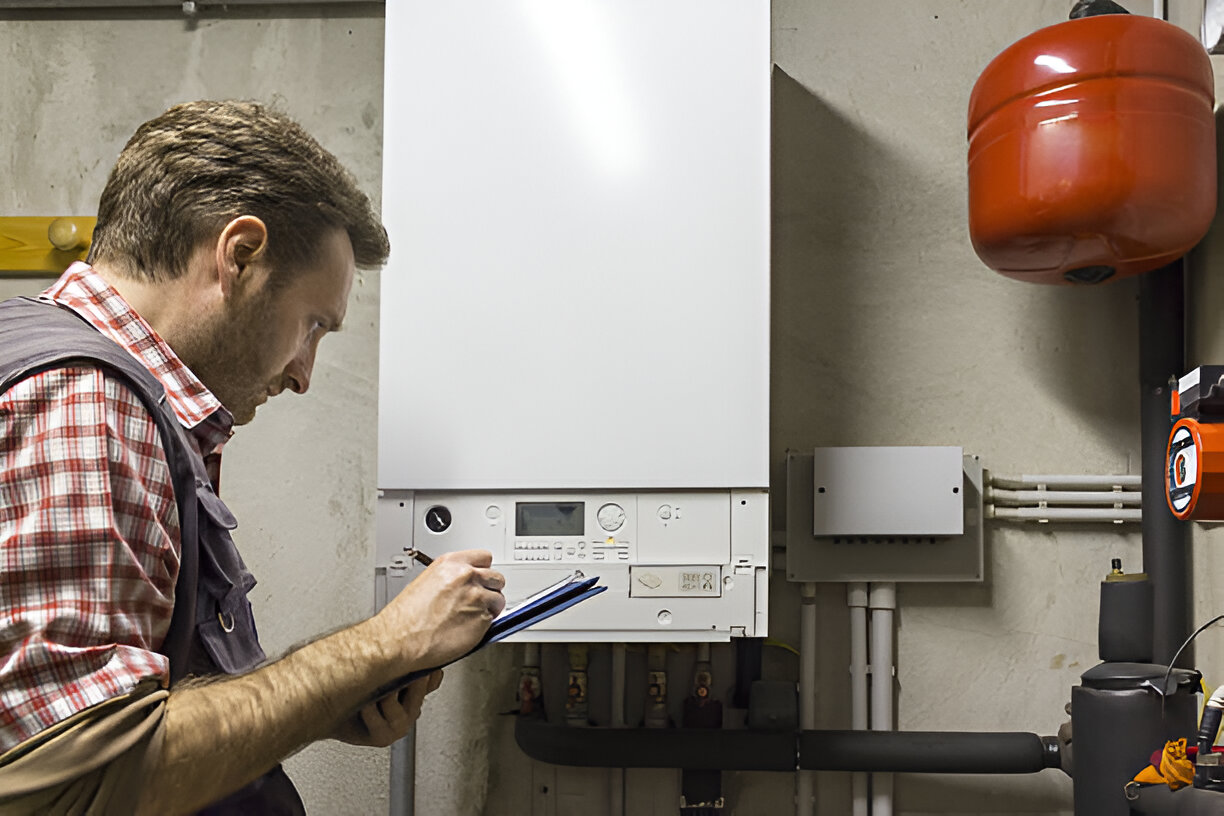
Heating Replacement in Rolling Hills Estates, CA
Replacing your home’s heating system is a major decision. In Rolling Hills Estates, CA, where coastal influence moderates temperatures but cold nights and energy costs still matter, a thoughtfully chosen replacement can improve comfort, lower bills, and add value. This page explains when to replace an older unit, how replacement compares to repair, expected energy savings, removal and disposal steps, recommended upgrades, rebates and financing options, and the typical timeline and warranties for heating replacement in Rolling Hills Estates.
Why replace a heating system in Rolling Hills Estates homes
Homes on the Palos Verdes Peninsula often face unique factors: mild winters with occasional cold spells, moisture and salt air that can accelerate corrosion of outdoor equipment, and many mid-century or older homes with aging furnaces or ductwork. Upgrading to a modern high-efficiency system or a heat pump can deliver more consistent indoor comfort, quieter operation, and meaningful reductions in energy use—especially if your current unit is 10-15 years old.
Common signs it’s time to replace your heating system
- The unit is more than 15 years old and requires frequent repairs.
- Heating bills are steadily increasing despite regular maintenance.
- The furnace or heat pump cycles on and off quickly (short-cycling) or does not maintain even temperatures.
- Uneven heating between rooms, suggesting duct losses or capacity mismatch.
- Strange odors, visible rust, or leaking fluids around the equipment.
- Reduced efficiency: older gas furnaces often have AFUE ratings below 80%, while modern models reach 95% or higher.
If you’re experiencing one or more of these issues, replacement is often more cost-effective than ongoing repairs.
Replacement vs repair: how to decide
- Repair is sensible when a single isolated component fails on a relatively new system, or when the remaining service life is several years.
- Replace when repair costs approach 50% or more of the estimated replacement cost, when efficiency is low, or when the system’s age suggests future failures are likely.
- Consider replacement sooner if you plan home renovations, want to reduce energy bills, or aim to switch to cleaner electric heating such as a heat pump.
A professional diagnostic will assess age, efficiency (AFUE or HSPF/SEER for heat pumps), duct condition, and your long-term goals to recommend repair or replacement.
Energy savings and efficiency comparisons
- Older gas furnaces: often below 80% AFUE, meaning a significant share of fuel is lost.
- Modern high-efficiency gas furnaces: 90%–98% AFUE, lowering fuel use and operating costs.
- Heat pumps (air-source, ducted or mini-split): provide efficient heating and cooling with high HSPF/SEER ratings; especially effective in Rolling Hills Estates’ mild climate. Heat pumps can reduce greenhouse gas emissions when paired with cleaner electricity.
- Whole-system efficiency also depends on duct sealing, insulation, ventilation, and thermostat controls. Upgrading to a higher-efficiency system typically pays back over time through lower bills and increased home comfort.
Cost and ROI considerations
When evaluating replacement, consider:
- Upfront equipment and installation costs, including any necessary ductwork or electrical upgrades.
- Operational savings from higher efficiency—calculate annual energy savings versus current bills.
- Longevity and maintenance costs. New equipment typically includes warranties that reduce early-life repair expenses.
- Home value increases and greater market appeal from newer, efficient systems.
- Potential local incentives and tax credits that improve ROI.
A lifecycle cost perspective—looking at purchase price plus operating costs over expected service life—gives the clearest picture of return on investment.
Recommended system upgrades for Rolling Hills Estates
- Smart or programmable thermostats for zoning and load management; many homeowners see immediate efficiency gains.
- Zoning controls to direct heat where needed, reducing wasted energy in unused rooms.
- Duct sealing and insulation, especially in attics or crawl spaces, to recover lost heat and improve system performance.
- Upgrading to a heat pump or hybrid system to gain both heating and cooling with higher seasonal efficiency.
- Improved ventilation and insulation to reduce heating demand and make new equipment right-sized rather than overspecified.
These upgrades often produce greater savings than swapping equipment alone.
Removal, disposal, and environmental responsibility
Proper removal and disposal are part of professional replacement. Technicians will:
- Recover refrigerant from air-conditioning or heat pump systems according to federal and state regulations.
- Drain and dispose of fuel lines, combustion components, and hazardous wastes per local codes.
- Recycle metals and other materials when possible.
- Provide documentation for permits and inspections.
Because Rolling Hills Estates is near coastal environments, technicians also check for corrosion and take steps to protect new outdoor units from salt air damage.
Rebates, incentives, and financing options
Homeowners replacing older systems may qualify for federal tax credits, state incentives, and local utility rebates aimed at high-efficiency furnaces, heat pumps, and insulation upgrades. Many installers and lenders offer financing plans or energy-efficient financing products to spread costs over time. Check current eligibility for incentives and combine available programs to maximize savings. Documentation of equipment specifications and contractor invoices is typically required for applications.
Replacement process and typical timeline
- Initial assessment and quote: evaluation of load, ductwork, and desired system features.
- Equipment selection and permit acquisition: local building permits are usually required in Rolling Hills Estates.
- Installation day(s): removal of old equipment, necessary modifications (ductwork/electrical), and installation of new system. Typical residential replacements take 1–3 days depending on complexity.
- Inspection and commissioning: testing airflow, refrigerant/electrical connections, thermostat programming, and local code inspection.
- Follow-up: many projects include a brief follow-up to verify performance and hand over warranty documents.
Warranties and what to expect
Standard protections include manufacturer parts warranties, sometimes extended to labor by the installer, and limited workmanship guarantees. Warranties vary by equipment type and manufacturer; registering new equipment often extends coverage. Keep installation and maintenance records to preserve warranty rights and streamline future service.
Maintenance and tips for long-term performance
- Schedule annual maintenance, ideally before the heating season.
- Change or clean filters regularly to maintain airflow and efficiency.
- Seal and insulate ducts and attic penetrations to reduce losses.
- Protect outdoor units from debris and corrosive salt spray.
- Keep thermostat schedules aligned with occupancy to reduce runtime.
Routine maintenance preserves efficiency and extends equipment life, improving ROI on your replacement.
Replacing a heating system in Rolling Hills Estates, CA is a strategic investment in comfort, energy efficiency, and long-term savings. By assessing system age, efficiency, and your home’s specific needs—especially local climate and construction factors—you can choose a replacement that fits your household and budget while taking advantage of upgrades and incentives that enhance performance and value.
Customer
Testimonials
Our customers consistently praise the exceptional service and professionalism of our team. They appreciate the honest advice, meticulous work, and the care taken to ensure their satisfaction.

.webp)
Service Areas
