

Heating Service in Costa Mesa, CA

When it comes to heating service in Costa Mesa, CA, Plum HVAC clearly explains the systems we service, our typical diagnostics, routine maintenance, installation and replacement considerations, energy-efficiency upgrades, and our commitment to safety and code compliance. We cover common heating systems such as furnaces, heat pumps, ducted and ductless systems, and discuss coastal climate considerations, our detailed diagnostic steps, and the many benefits of seasonal maintenance. Our guidance also extends to installation sizing, ductwork, and corrosion-resistant materials, plus energy upgrades, safety inspections, and practical tips for reliable, cost-effective heating year-round. We aim to help homeowners make truly informed decisions.
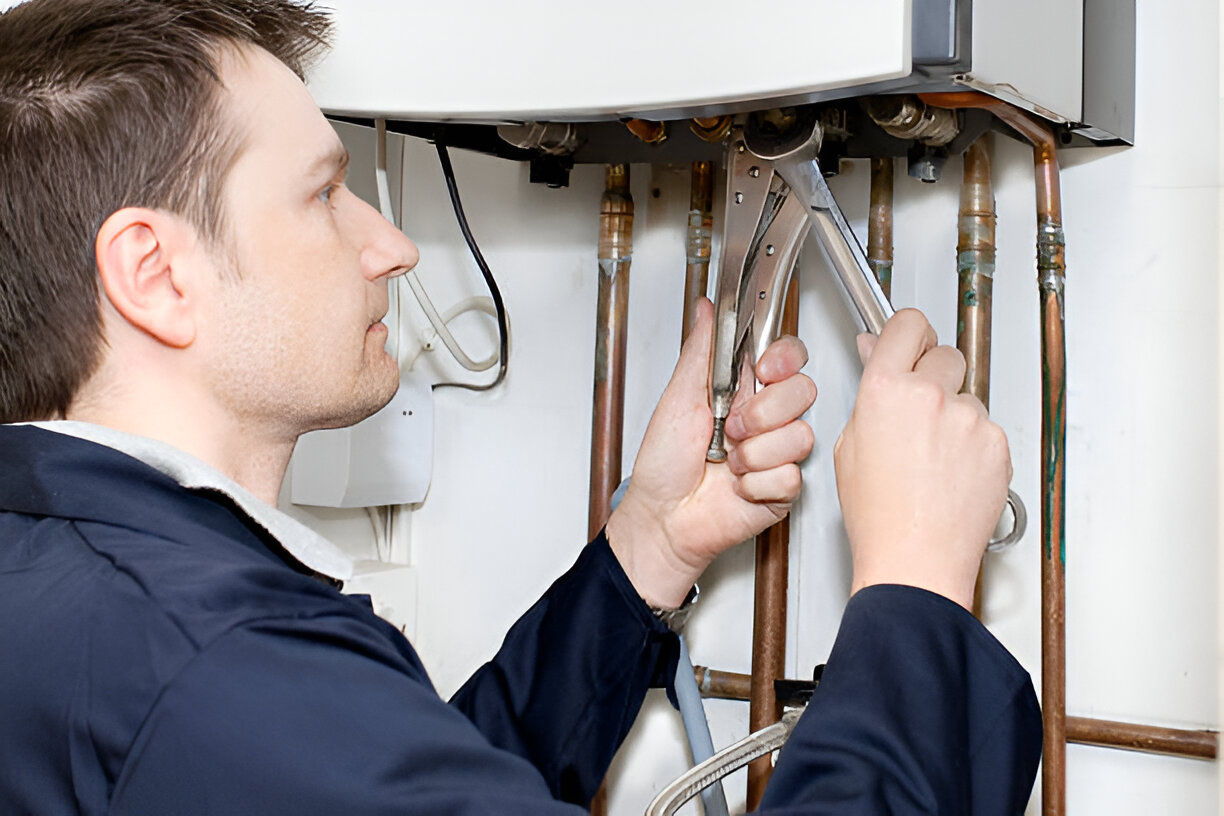
Heating Service in Costa Mesa, CA
Heating might not be top of mind in a coastal Southern California city, but reliable, efficient heating is essential for comfortable nights, inland cold snaps, and older homes with aging systems. Our overview of Heating Service in Costa Mesa, CA explains the systems we service, common diagnostics, routine maintenance, installation and replacement considerations, energy-efficiency upgrades, and safety and code compliance—so you can make informed decisions about keeping your home warm, safe, and cost effective.
What types of heating systems we service
We work with the heating systems most commonly found in Costa Mesa homes and multiunit buildings:
- Furnaces (natural gas and electric) – forced-air systems used in many older single-family homes and some condos.
- Heat pumps (air-source and ducted/ductless mini-splits) – increasingly common in mild coastal climates because they provide both heating and cooling efficiently.
- Ducted forced-air systems – including rooftop and packaged units for multifamily buildings.
- Ductless mini-split systems – ideal for room additions, apartments, and zoned comfort without ductwork.
- Hybrid systems and zoning – combinations of heat pump and furnace or multi-zone setups to optimize comfort and efficiency.
Costa Mesa’s mild but variable climate favors heat pumps for year-round efficiency, while older homes may still rely on gas furnaces. Coastal conditions also mean outdoor equipment can be exposed to salt air, which influences maintenance and material choices.
Common heating issues in Costa Mesa and how we diagnose them
Homeowners in Costa Mesa typically call for heating service for a handful of recurring problems:
- No heat or intermittent heating — could be thermostat failures, ignition or pilot problems, failed compressors in heat pumps, or blocked airflow.
- Short cycling — often caused by improper system sizing, thermostat placement, or clogged filters.
- Uneven heating or cold spots — duct leaks, poor insulation, or balancing issues are common causes.
- High energy bills despite low use — usually indicates efficiency loss from dirty coils, low refrigerant, failing motors, or aging equipment.
- Strange noises — loose components, failing bearings, or airflow obstructions.
- Heat pump defrosting or refrigerant issues — particularly relevant for heat pumps during variable coastal temperatures.
- Safety concerns — carbon monoxide alarms, strong gas odors, or visible rust/corrosion on combustion equipment.
Diagnostic process (what to expect during a professional inspection):
- Visual inspection of the indoor and outdoor units for corrosion, wear, and airflow restrictions.
- Thermostat calibration and control checks.
- Airflow measurement at registers and verification of filter condition.
- Fuel and ignition system checks for furnaces; refrigerant level and compressor performance for heat pumps.
- Electrical system tests including capacitors, relays, and safety controls.
- Combustion analysis and carbon monoxide testing where applicable.
Routine maintenance offerings and benefits
Regular maintenance keeps systems running safely and efficiently—especially important near the coast where salt and humidity accelerate wear.
Typical maintenance tasks:
- Replace or clean air filters and inspect filter housings.
- Clean condenser and evaporator coils to restore heat transfer.
- Clear condensate drains and pans to prevent backups.
- Inspect and test burners, heat exchangers, and ignition systems.
- Lubricate blower motors and inspect belts.
- Verify thermostat operation and sensor calibration.
- Check refrigerant charge and defrost controls on heat pumps.
- Inspect ductwork for leaks and insulation gaps.
Benefits of seasonal tune-ups:
- Improved energy efficiency and lower operating costs.
- Fewer emergency breakdowns and extended equipment life.
- Safer operation with reduced risk of combustion or CO issues.
- Maintains manufacturer warranties and improves indoor air quality.
For Costa Mesa homes, scheduling maintenance before the cooler months and after peak summer use is a good practice to ensure reliable performance.
Installation and replacement guidance
When replacement is the best option, proper sizing and installation matter more than ever. Installations should be based on a complete assessment that includes load calculations, duct evaluation, and distribution planning.
Key considerations:
- Right sizing using industry-standard calculations to avoid short cycling or insufficient capacity.
- System type selection — heat pumps for year-round efficiency in mild climates; high-efficiency furnaces where natural gas heating remains preferred.
- Ductwork condition — sealing and insulating ducts can yield large efficiency gains in coastal homes with older systems.
- Corrosion-resistant materials for outdoor units exposed to salt air.
- Noise and placement considerations for HOA and neighborhood rules in Costa Mesa.
- Permits and inspections — replacements typically require local permits and must meet California energy and safety codes.
Proper installation reduces operating costs, improves comfort, and ensures compliance with local building requirements.
Energy-efficiency upgrades that deliver value
Upgrades can lower bills and improve comfort without full system replacement:
- Programmable and smart thermostats for better control and scheduling.
- High-efficiency heat pumps and variable-speed compressors.
- Duct sealing and added insulation in attics and crawl spaces.
- Zoned controls and dampers to match comfort needs room by room.
- Upgraded filtration and whole-house ventilation for healthier indoor air.
In California, incentives and rebates for energy-efficient equipment are sometimes available. Energy upgrades also reduce emissions and can increase property value.
Safety inspections and code compliance
Safety inspections are a critical component of professional heating service:
- Carbon monoxide testing and combustion safety checks for gas appliances.
- Verification of proper venting and flue integrity.
- Gas line leak detection and shutoff valve inspection.
- Electrical safety and breaker sizing checks for heat pump and furnace circuits.
- Ensuring installations meet California energy codes and Costa Mesa permitting requirements.
Following code and safety best practices protects occupants, avoids permit issues, and ensures systems perform as intended.
Final notes and seasonal tips for Costa Mesa homeowners
- Check filters monthly during active use and replace as needed.
- Protect outdoor units from landscaping debris and salt spray; rinse gently if corrosion buildup appears.
- Consider a heat pump or hybrid system if you want efficient year-round comfort in Costa Mesa’s mild climate.
- Schedule preventive maintenance in early fall so your system is ready for cooler nights and occasional cold snaps.
Well-maintained heating systems provide reliable comfort, lower operating costs, and better indoor air quality. Understanding the common issues, proper diagnostics, and the right upgrades helps Costa Mesa homeowners get the most from their heating investment.
Customer
Testimonials
Our customers consistently praise the exceptional service and professionalism of our team. They appreciate the honest advice, meticulous work, and the care taken to ensure their satisfaction.

.webp)
Service Areas
