

Heating Maintenance in Costa Mesa, CA

Heating maintenance in Costa Mesa, CA is essential for reliability, efficiency, and comfort year-round. The program prevents unexpected breakdowns, lowers energy costs, and extends equipment life for homes and small businesses, taking into account coastal conditions, mild winters, and local equipment such as heat pumps, mini splits, and older furnaces. A comprehensive plan includes annual and seasonal inspections, filter replacement, performance reporting, energy tune-ups, priority service, and documented maintenance history that supports warranty and resale value.
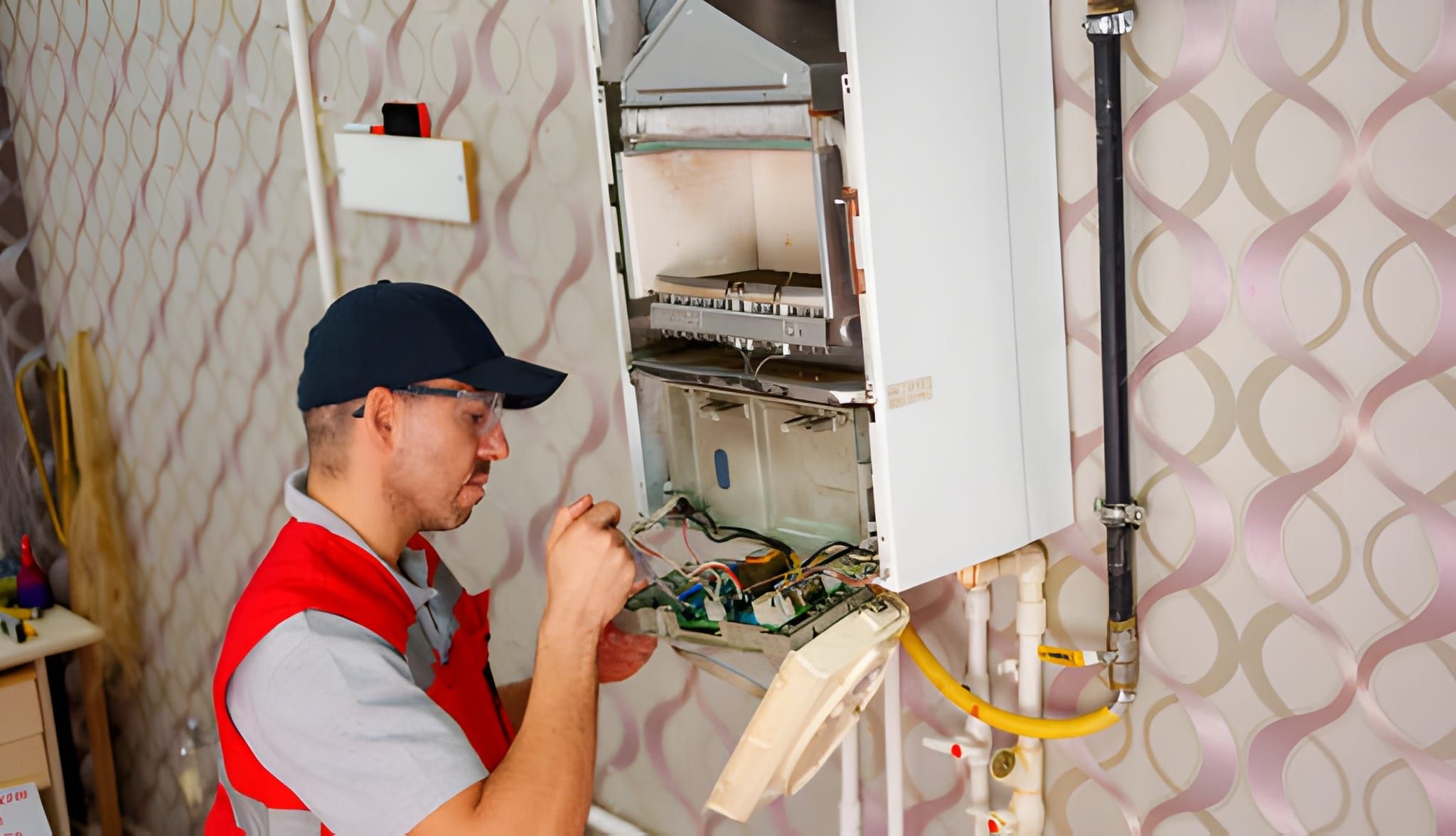
Why heating maintenance matters in Costa Mesa, CA
Costa Mesa experiences mild winters, but that does not eliminate the need for routine care. Many homes use heat pumps, mini split systems, or older furnaces that run intermittently through fall and winter and may also provide dehumidification or supplemental cooling. Salt-laden coastal air, occasional Santa Ana wind events, and local dust and pollen increase wear on outdoor units, corrode metal parts, and clog filters faster than inland areas. Regular maintenance addresses those local stresses while ensuring consistent indoor comfort.
Common heating maintenance issues in Costa Mesa homes
- Clogged or dirty filters leading to reduced airflow, higher energy use, and poor indoor air quality. Coastal dust and pollen can accelerate clogging.
- Outdoor unit corrosion and buildup from salt air and ocean spray, which reduces heat transfer and shortens equipment life.
- Refrigerant or charge problems in heat pumps that cause loss of heating capacity and increased run times.
- Electrical connection wear and failing capacitors from frequent cycling, causing intermittent operation or no-start conditions.
- Thermostat calibration and control issues that make systems run too long or not long enough.
- Duct leaks and insulation gaps that reduce delivered heat and raise operating costs.
- Condensate drain clogs and trapped moisture that can lead to indoor humidity problems or water damage.
Recognizing these issues early through scheduled inspections prevents small problems from turning into emergency repairs.
What a comprehensive preventive maintenance program includes
A well-structured heating maintenance plan for Costa Mesa typically covers:
- Scheduled inspections: At minimum annual checks for gas furnaces and semi-annual inspections for heat pumps or systems used seasonally. Inspections are timed to prepare equipment before the heating season and after high-use periods.
- Filter and component replacement schedules: Filters checked and replaced every 1 to 3 months depending on filter type, pets, or air quality. Wear items such as belts, filters, and basic consumables reviewed with recommended replacement intervals.
- Prioritized service response: Members receive priority scheduling for service calls and faster response windows during peak demand, reducing downtime when the system is needed most.
- Record-keeping and performance reports: Each visit generates a clear service report documenting measurements, safety checks, recommended repairs, and efficiency indicators to track system performance over time.
- Energy-saving tune-ups: Cleaning coils, adjusting blower speeds, checking refrigerant charge, calibrating thermostats, and optimizing controls to reduce energy consumption and improve comfort.
- Member benefits for plan subscribers: Predictable maintenance scheduling, reminders for seasonal service, documented maintenance history for resale or warranty compliance, and streamlined repair coordination.
Typical maintenance visit: what gets checked and why
A standard preventive maintenance visit focuses on safety, reliability, and efficiency. Technicians commonly perform:
- Visual inspection of indoor and outdoor units for corrosion, damage, and animal intrusion.
- Filter check and replacement to restore airflow and protect components.
- Electrical safety check including connections, contactors, and capacitors to prevent failures.
- Blower and motor inspection to clean, lubricate, and test airflow performance.
- Refrigerant and heat-exchange assessment for heat pumps, including leak checks and proper charge verification.
- Combustion and venting check for gas-fired systems to confirm safe operation and proper venting.
- Thermostat calibration and controls test to ensure accurate temperature control and smart scheduling.
- Condensate drain and pan cleaning to prevent clogs and moisture-related damage.
- Duct inspection for visible leaks, disconnections, or insulation issues that reduce system efficiency.
- Performance testing to compare current output and efficiency against expected baselines and to document any degradation.
Each step is explained in plain language on the service report so homeowners understand the condition and any recommended next steps.
How regular maintenance reduces breakdowns and extends system life
Regular heating maintenance reduces stress on components and helps catch early signs of wear. Benefits include:
- Lower risk of mid-season failures because loose connections, worn parts, and refrigerant issues are found before they cause breakdowns.
- Improved energy efficiency as a clean, properly tuned system uses less electricity or gas to maintain comfort.
- Longer equipment life since routine cleaning, lubrication, and part adjustments prevent accelerated wear.
- Better indoor air quality from timely filter changes and clean components.
- Documented maintenance history which helps preserve warranty coverage and adds value for future buyers or property managers.
For Costa Mesa homes, protecting the outdoor unit from salt corrosion and scheduling maintenance before seasonal wind or rain events can be particularly effective at preventing premature failures.
Energy-saving tune-ups and measurable results
Energy-saving tune-ups focus on restoring factory-level performance. Typical outcomes include:
- Reduced run times through improved heat transfer and correct refrigerant charge.
- More consistent indoor temperatures by correcting airflow and thermostat settings.
- Lower utility bills from optimized controls and cleaner components.
- Clear performance data provided in the maintenance report to show improvements and justify future upgrades.
A tune-up paired with simple changes like using higher efficiency filters, sealing ducts, and programing the thermostat for smarter scheduling often yields noticeable savings.
Practical tips for Costa Mesa homeowners between maintenance visits
- Replace or check filters monthly during high-pollen or windy periods.
- Keep 2 to 3 feet of clear space around outdoor units and rinse salt buildup periodically with fresh water if exposed to ocean spray.
- Use thermostat setbacks smartly to minimize runtime without sacrificing comfort.
- Inspect visible ducts in attics and crawlspaces for disconnections or obvious leaks.
- Note and report intermittent noises, short-cycling, or uneven heating early to avoid larger repairs.
Regular maintenance designed for the local climate and system type is the most reliable way to protect comfort, control costs, and extend the life of heating equipment in Costa Mesa, CA.
Customer
Testimonials
Our customers consistently praise the exceptional service and professionalism of our team. They appreciate the honest advice, meticulous work, and the care taken to ensure their satisfaction.

.webp)
Service Areas
