

Heating Tune-up in Costa Mesa, CA

Plum HVAC offers a seasonal heating tune-up in Costa Mesa, CA, specifically designed to protect your comfort, safety, and energy efficiency. We understand common coastal issues like salt air corrosion, clogged ducts, thermostat drift, and even refrigerant loss. That's why our service includes a thorough multi-point inspection, detailed burner and heat exchanger checks, meticulous coil cleaning, duct assessment, thermostat calibration, essential safety tests, and precise performance testing. We also cover typical repairs, offer helpful maintenance plans, and provide scheduling guidance to maximize reliability, extend equipment life, and reduce mid-season failures.
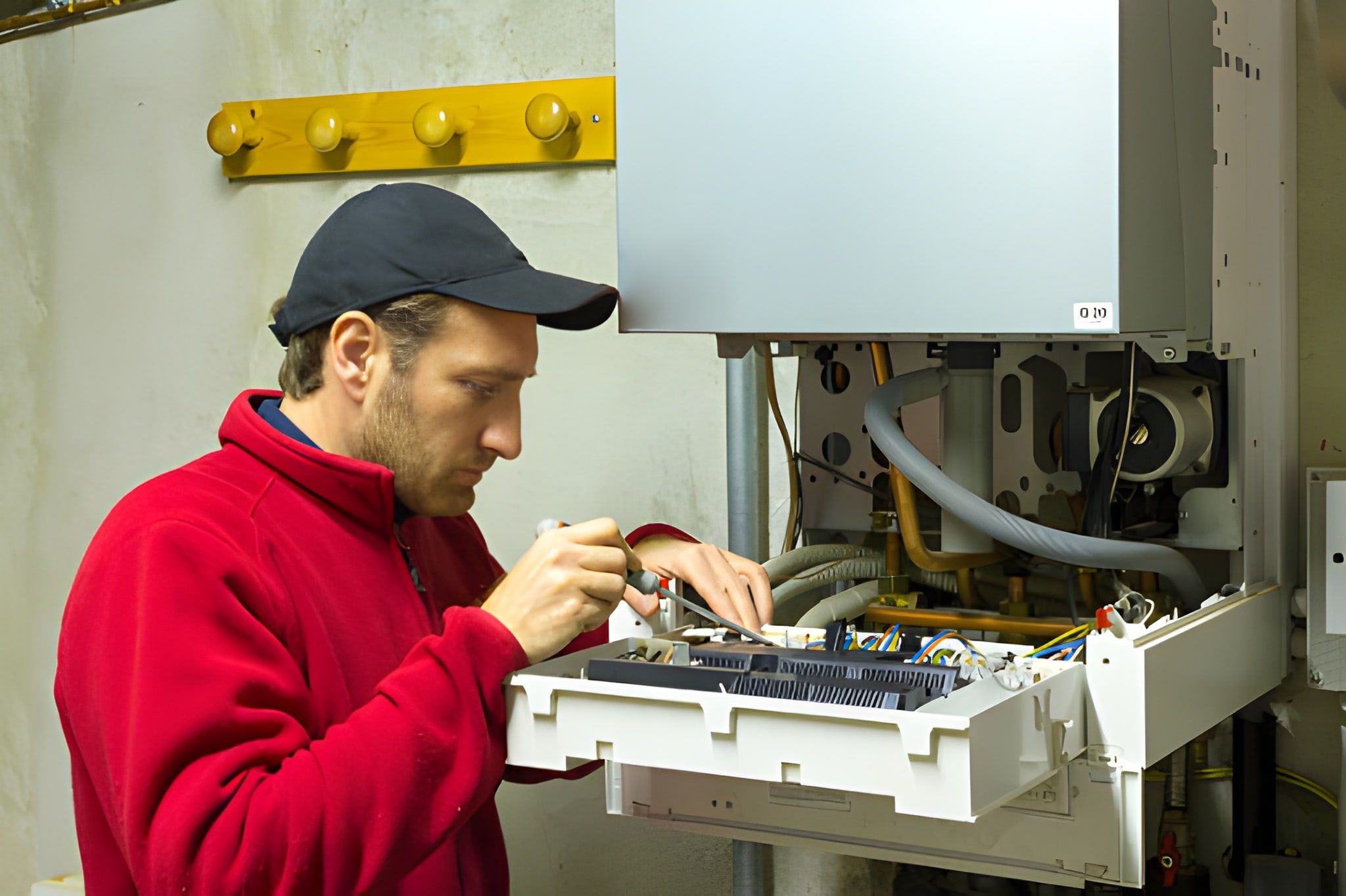
Heating Tune-up in Costa Mesa, CA
A seasonal heating tune-up in Costa Mesa, CA is the most effective way to protect comfort, safety, and energy dollars during the cooler months. Even though Costa Mesa winters are mild compared with inland Southern California, coastal homes rely on reliable heating during chilly mornings, marine layer evenings, and the occasional cold snap. Regular tune-ups catch small problems before they become costly failures, restore system efficiency, and extend the life of furnaces, heat pumps, and hybrid systems commonly found in the area.
Common heating problems in Costa Mesa homes
- Salt air corrosion on outdoor heat pump components and connections, accelerating wear.
- Reduced airflow from clogged filters and ducts collecting coastal dust, pollen, and debris.
- Thermostat drift and calibration issues that cause short-cycling or uneven comfort.
- Combustion inefficiency or cracked heat exchangers on older gas furnaces.
- Refrigerant loss or low charge on heat pumps after long summer use.
- Electrical wear on motors and capacitors due to frequent on-off cycles in transitional seasons.
- Condensate clogs in high-efficiency systems after periods of low use.
Understanding these local tendencies helps focus a tune-up on the high-risk items that matter most in Costa Mesa.
What a Heating Tune-up Includes
A professional seasonal heating tune-up in Costa Mesa typically covers a comprehensive, multi-point inspection and performance service that may include:
- Multi-point system inspection: Visual and operational checks of major components, safety controls, and ductwork condition.
- Burner, heat exchanger, and combustion inspection: Clean burners, verify combustion efficiency, and inspect for signs of heat exchanger damage or leaks.
- Coil and filter cleaning: Clean indoor coils and replace or deep-clean filters to restore airflow and indoor air quality.
- Airflow and duct assessment: Test for adequate airflow, inspect ducts for restricted returns or damage, and recommend corrective steps.
- Thermostat calibration: Verify thermostat accuracy and operation; recalibrate or test programmable settings for optimal comfort and efficiency.
- Safety checks: Test gas valves, pressure switches, limit controls, and carbon monoxide levels where applicable.
- Refrigerant and leak verification: For heat pumps, check refrigerant charge and look for leaks; confirm metering devices and reversing valves operate correctly.
- Electrical and mechanical maintenance: Tighten electrical connections, lubricate moving parts, test capacitors and motors, and check belts where applicable.
- Performance testing: Measure temperature rise, static pressure, system cycling, and overall operating efficiency under load.
- Recommended repairs and documentation: Provide a prioritized list of repairs and parts with explanations so you can make informed decisions.
- Maintenance agreement options: Offer scheduled seasonal tune-ups, priority service, and preventive maintenance plans tailored to Costa Mesa homes.
Diagnostic process – what technicians check and why
Technicians follow a methodical diagnostic sequence so findings are consistent and actionable:
- Start with a visual inspection of exterior and interior components to spot corrosion, rodent damage, or obvious leaks.
- Replace or clean filters and hand-clean accessible coils to immediately improve airflow for tests.
- Run the system through a full heat cycle while measuring temperature rise, combustion efficiency (for gas units), and refrigerant pressures (for heat pumps).
- Test safety devices and carbon monoxide output to ensure occupant safety.
- Measure electrical loads to identify weak capacitors or motors that draw excess current and may fail soon.
- Verify thermostat communication and setpoint accuracy to correct short cycling or comfort complaints.
Each step yields data used to prioritize repairs and validate that the system meets safe and efficient operation standards.
Typical repairs and upgrades recommended after a tune-up
Common corrective actions found during Costa Mesa heating tune-ups include:
- Replacing clogged filters and cleaning/repairing ductwork to restore airflow.
- Sealing or replacing corroded outdoor electrical connections and terminals.
- Recharging refrigerant and repairing leaks on heat pumps to regain efficiency.
- Replacing faulty ignition assemblies, gas valves, or worn blower motors.
- Repairing or replacing thermostats and upgrading to programmable or smart thermostats for better control.
- Addressing minor corrosion on outdoor units before it worsens, especially in coastal locations.
- Installing surge protection or recommending electrical upgrades when voltage irregularities are detected.
Technicians will explain why each repair is recommended and how it affects safety, efficiency, and long-term costs.
Maintenance agreements and ongoing benefits
Maintenance agreements provide a structured approach to seasonal care and deliver concrete advantages for Costa Mesa homeowners:
- Scheduled tune-ups timed for late summer or early fall, ensuring systems are ready for winter use.
- Priority scheduling for after-hours or emergency service events.
- Consistent documentation of maintenance history, which helps maintain equipment warranties and maximizes resale value.
- Predictable preventive maintenance that reduces unexpected breakdowns and spreads repair planning over time.
A plan protects investment in heating equipment and reduces the likelihood of mid-winter failures.
Benefits of regular heating tune-ups in Costa Mesa
- Improved efficiency: Clean burners, proper refrigerant charge, and correct airflow lower energy consumption and reduce operating costs.
- Longer equipment life: Regular attention to moving parts and electrical systems prevents premature failures and extends service life.
- Greater reliability: Seasonal checks reduce the chance of surprise breakdowns during colder periods.
- Safety assurance: Combustion analysis and carbon monoxide testing protect occupants from hazardous conditions.
- Consistent comfort: Proper calibration and airflow balance deliver fewer hot/cold spots and smoother cycling.
- Local resiliency: Addressing coastal corrosion and duct contamination common in Costa Mesa preserves system performance in the local climate.
When to schedule your tune-up
For Costa Mesa homes, plan a heating tune-up in late summer or early fall before temperatures drop. This timing ensures heat pumps and furnaces are inspected after heavy summer cooling use, and any necessary repairs are completed ahead of cooler weather and potential system demand spikes. Consider an additional spring check for combined heat and air systems to prepare for the cooling season and address issues caused by coastal humidity or salt exposure.
Customer
Testimonials
Our customers consistently praise the exceptional service and professionalism of our team. They appreciate the honest advice, meticulous work, and the care taken to ensure their satisfaction.

.webp)
Service Areas
