

Heating Repair in City of Industry, CA

Heating repair services in City of Industry, CA, from Plum HVAC provide rapid diagnostics and lasting fixes for gas furnaces, heat pumps, ductless systems, and commercial boilers. We outline common failures, local factors that often increase repair needs, and our structured diagnostic process, from initial survey to airflow checks and component testing. We also cover typical repairs and parts, on-site timing, emergency response, troubleshooting tips for homeowners, and warranty considerations. Our emphasis is on timely service, safety, and preventative maintenance to minimize downtime and protect your indoor comfort.
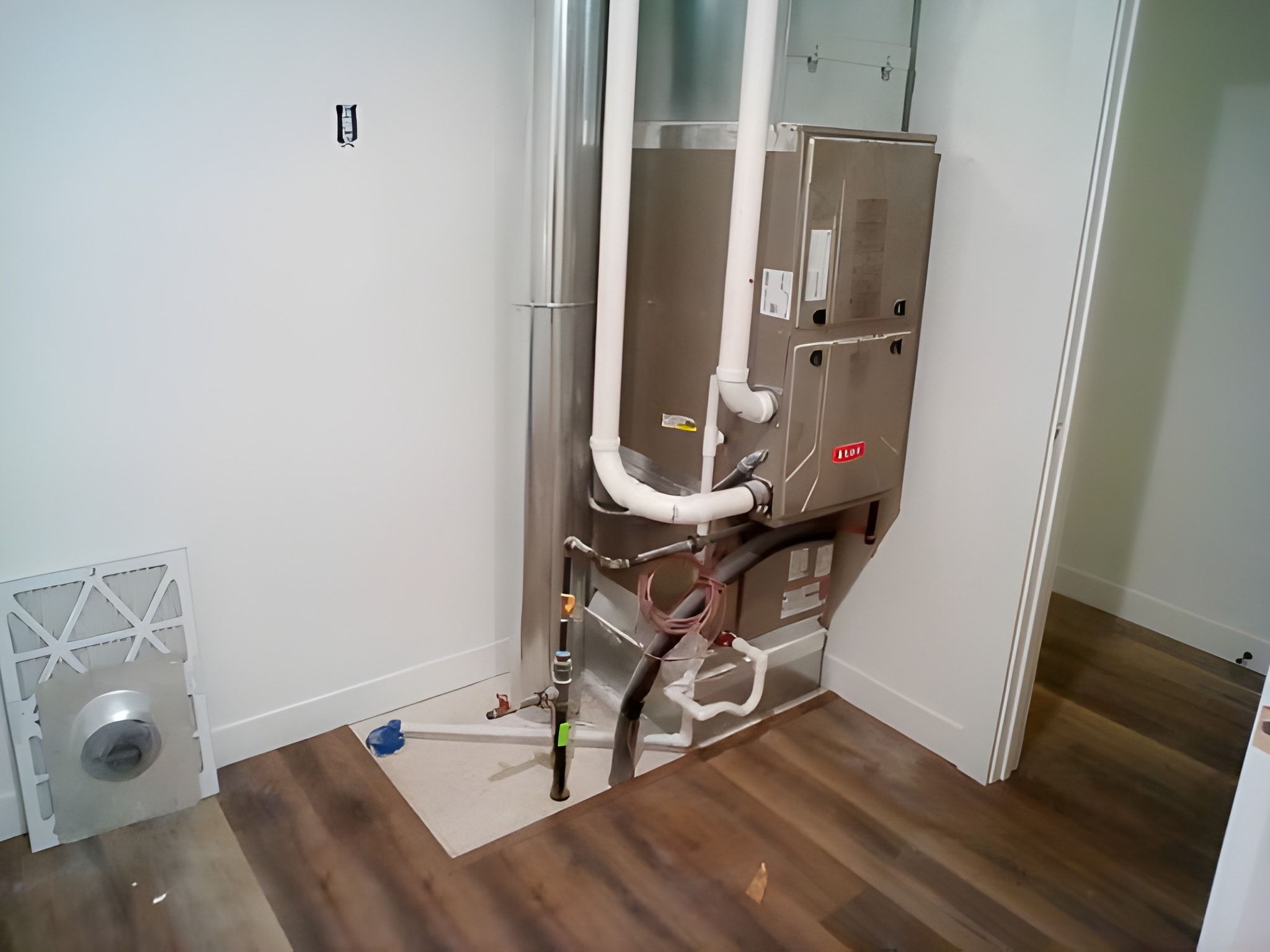
Heating Repair in City of Industry, CA
When your heating system fails, the disruption is immediate: chilly nights, interrupted routines, and potential safety concerns. Heating Repair in City of Industry, CA focuses on restoring reliable warmth quickly while diagnosing root causes so the same breakdown does not repeat. Whether you have a gas furnace, heat pump, ductless mini-split, or commercial boiler, local technicians account for regional conditions—like fine industrial dust and large daytime-to-nighttime temperature swings—to deliver repairs that last.
Common heating system failures in City of Industry homes and businesses
- No heat or intermittent heat - Often due to thermostat faults, ignition problems, or failed control boards.
- Pilot won’t stay lit or furnace won’t ignite - Caused by dirty pilot assemblies, faulty flame sensors, or blocked gas valves.
- Short cycling or frequent on/off cycles - Usually due to airflow restrictions, clogged filters, incorrect thermostat settings, or failing safety switches.
- Weak airflow or uneven heating - Result of blower motor issues, duct leaks, closed registers, or dirty return vents.
- Unusual noises or odors - Rattling, banging, or burning smells can indicate failing motors, loose components, or electrical problems.
- Heat pump specific issues - Low refrigerant, compressor failure, reversing valve faults, or defrost control malfunctions are common for older heat pumps.
- Commercial boiler problems - Pressure loss, pump failure, scale build-up, or control system errors that impact consistent steam or hot water delivery.
Local factors in City of Industry that increase repair frequency include a higher level of airborne particulate from nearby industrial areas and seasonal Santa Ana wind events that blow dust into systems. These factors accelerate filter clogging and burner fouling, making proactive servicing important.
Diagnostic procedures and what to expect
Professional diagnostics follow a structured approach to identify the underlying cause rather than simply treating symptoms:
- Initial system survey - Confirm system type, age, installation quirks, and recent service history.
- Safety and electrical checks - Verify power supply, breakers, fuses, and safety interlocks before working on controls or gas lines.
- Thermostat verification - Confirm correct settings, calibration, wiring, and that the thermostat is communicating with the system.
- Fuel and combustion inspection - For gas systems, inspect burners, gas pressure, and combustion efficiency; check for soot, corrosion, or heat exchanger cracks.
- Airflow and ductwork assessment - Measure airflow, inspect filters and vents, and look for duct leaks or obstructions that cause uneven heating.
- Mechanical and electrical component testing - Test ignitors, capacitors, motors, control boards, relays, and sensors with meters and amps readings.
- Refrigerant and heat pump tests - Check refrigerant pressures, compressor operation, and defrost cycle performance for heat pump systems.
- Diagnostic report - Clear explanation of findings, prioritized repair recommendations, and expected parts or labor requirements.
These diagnostic steps reduce guesswork and provide a clear path to repair or replacement if needed.
Typical repairs and parts information
Common parts that require repair or replacement include:
- Ignitors and flame sensors
- Blower motors and belts
- Capacitors and control relays
- Gas valves and pressure regulators
- Heat exchangers and combustion chambers
- Compressors, reversing valves, and refrigerant lines for heat pumps
- Thermostats, filters, and duct sealing materials
Labor for heating repair varies by system complexity and accessibility. A straightforward component swap (for example an ignitor or capacitor) is typically completed in a single visit, while heat exchanger replacement, major blower motor work, or commercial boiler repairs may require more time and coordination. Parts availability in the local market can affect timelines, but many common components are stocked locally in the greater Los Angeles area.
Emergency response and on-site service timing
For safety-related failures (no heat during a cold snap, gas smells, or electrical hazards), emergency response is prioritized. Typical local expectations:
- Emergency repairs - rapid response windows commonly fall within 2 to 6 hours for urgent safety issues.
- Same-day service - many urgent but non-life-safety repairs can be scheduled for same-day resolution.
- Standard appointments - non-urgent diagnostics and repairs are often completed within 24 to 48 hours based on parts and technician availability.
Fast on-site service is usually facilitated by providing the technician with key information up front: system make and model, age, observable symptoms, whether the system is gas or electric, and any safety concerns. Clear access to equipment and an unobstructed work area speeds diagnosis and repair.
Troubleshooting tips you can perform safely
- Check the thermostat - Ensure it is set to heat, on the correct temperature scale, and has fresh batteries if applicable.
- Replace or inspect the air filter - A clogged filter can cause short cycling and poor airflow.
- Check breakers and switches - Verify the HVAC breaker is on and any service switches near the unit are set to on.
- Inspect vents and registers - Make sure supply and return vents are open and free of furniture or debris.
- Listen for abnormal sounds - Note any new rattles, screeches, or banging and record when they occur to assist the technician.
- Smell check - A persistent rotten egg or strong gas odor requires immediate evacuation and professional attention; do not operate the system if a gas leak is suspected.
These checks help narrow potential causes and protect the system while awaiting professional repair.
Repair warranties and guarantees
Repair warranties commonly include:
- Parts warranty - Many replacement parts carry manufacturer warranties that range from 30 days to multiple years depending on the component.
- Labor warranty - Labor guarantees on repair work typically range from 30 to 180 days depending on the scope of work.
- Workmanship assurance - Written documentation of the diagnosis, parts used, and warranty coverage provides clarity on what is covered if a problem recurs.
Understanding warranty scope is important: manufacturer warranties cover part failure under normal use, while labor warranties cover the quality of the installation work. For older systems, some repairs may be short-term fixes; in those cases, diagnostics will identify whether continued repairs or system replacement is more cost effective over time.
Long-term benefits of timely heating repair and maintenance
Timely heating repair in City of Industry protects comfort, safety, and equipment lifespan. Regular diagnostics and prompt component replacement reduce energy waste, prevent emergency failures during cold nights, and keep indoor air quality healthier by minimizing dust and combustion byproducts. Given local dust and industrial particulate exposure, an emphasis on filter maintenance and duct cleaning can produce outsized benefits in both efficiency and indoor comfort.
Consistent attention to heating systems helps avoid sudden downtime, keeps energy bills more predictable, and ensures systems run safely within local building and safety conditions common to City of Industry properties.
Customer
Testimonials
Our customers consistently praise the exceptional service and professionalism of our team. They appreciate the honest advice, meticulous work, and the care taken to ensure their satisfaction.

.webp)
Service Areas
