

Heating Maintenance in City of Industry, CA

This page outlines comprehensive heating maintenance programs and service agreements in City of Industry, CA, detailing scheduled inspections, preventative tasks, emergency benefits, and post-visit documentation. It explains common maintenance issues, recommended tasks, and how priority scheduling, reporting, and lifecycle notes help keep homes and light commercial properties comfortable and efficient. Readers will learn how regular tune-ups improve efficiency, extend equipment life, reduce repairs, lower costs, and enhance safety through proactive filtration, combustion testing, and attentive system monitoring.
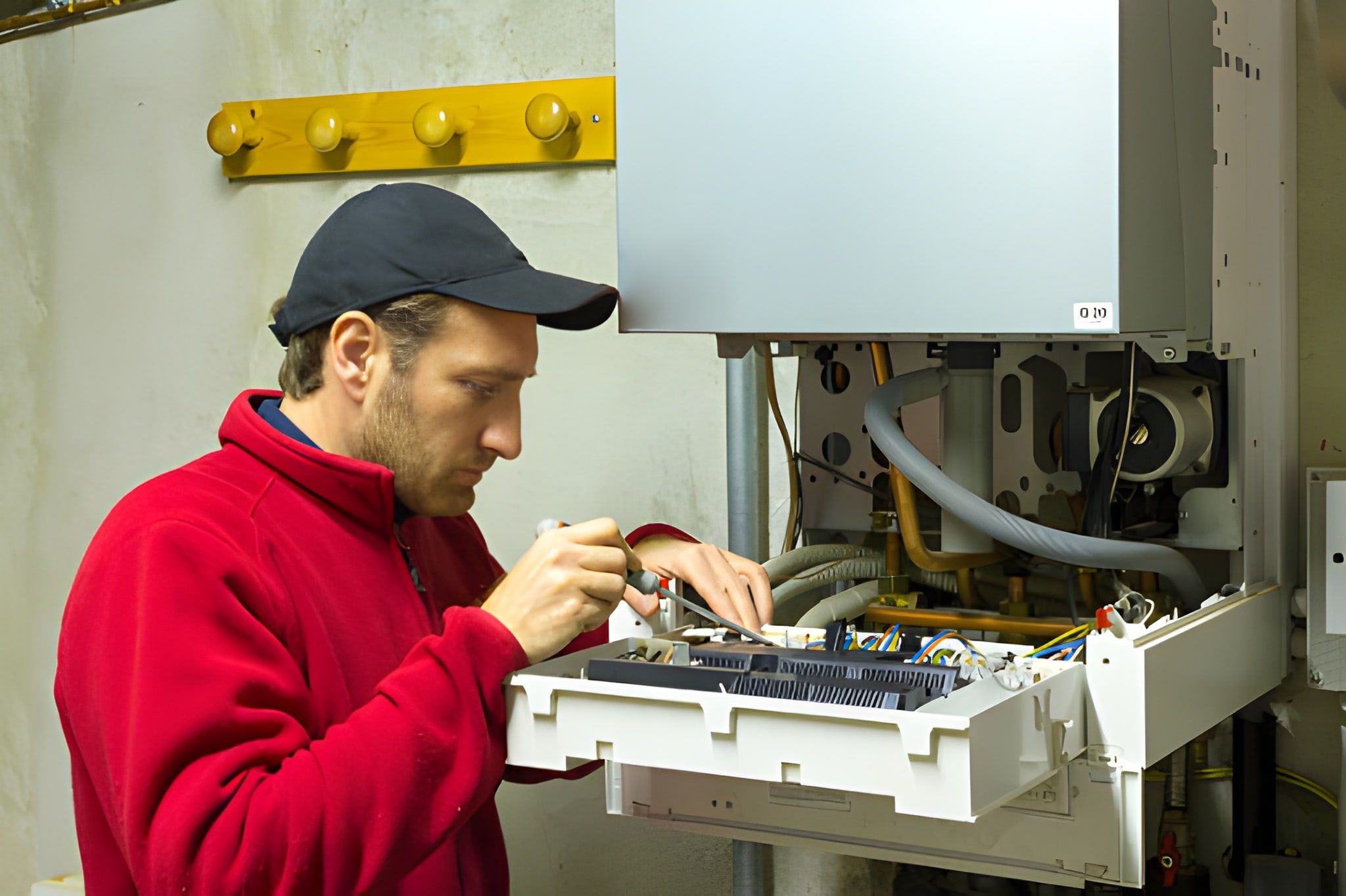
Why regular heating maintenance matters in City of Industry, CA
City of Industry sees a mix of residential neighborhoods and light industrial activity. That environment brings higher dust levels and occasional airborne particulates that clog filters and reduce heat transfer. Winters are generally mild but can require reliable morning and evening heating. Neglecting maintenance leads to reduced comfort, higher energy bills, safety risks such as carbon monoxide leaks, and earlier system replacement.
Common consequences of poor maintenance in this area
- Restricted airflow from clogged filters and ducts, causing short cycling and uneven heat.
- Corrosion and soot buildup in burners and heat exchangers due to industrial particulates.
- Increased wear on fans, motors, and ignition systems from repeated start-stop cycles.
- Safety risks from faulty safety controls or undetected combustion issues.
- Higher energy use and premature equipment failure.
Common heating maintenance issues in City of Industry, CA
Homeowners and property managers here frequently need attention for:
- Dirty or clogged air filters and ductwork
- Faulty thermostats or poor thermostat placement
- Soot or debris in burners and heat exchangers
- Worn blower motors and belts
- Ignition system failures or pilot issues
- Blocked condensate drains and flue obstructions
- Gas pressure and combustion inefficiencies
- Carbon monoxide detection and safety control verification
What a professional heating maintenance program includes
Heating maintenance programs and service agreements in City of Industry, CA typically bundle scheduled inspections, preventative tasks, emergency benefits, and maintenance documentation. A comprehensive program should include:
Scheduled inspections and preventative tasks
- Visual and operational inspection of the furnace or heat pump, including burners, heat exchanger, and flue.
- Filter inspection and replacement or recommendations for high-efficiency filter upgrades.
- Cleaning of burners, pilot assembly, and combustion chamber to maintain safe combustion.
- Blower and motor inspection, lubrication where applicable, and belt tension checks.
- Thermostat calibration and verification of proper control operation.
- Combustion analysis and carbon monoxide safety testing for gas-fired systems.
- Electrical connection checks and tightening to reduce risk of failure.
- Airflow measurements and duct inspection for obstructions or leaks.
- Condensate trap and drain cleaning for high-efficiency systems.
- Efficiency tuning and recommended adjustments to optimize performance for local conditions.
Priority scheduling and emergency response for members
- Members receive priority scheduling during peak cold periods when call volumes rise.
- Emergency benefits often include faster dispatch windows, after-hours availability for urgent failures, and allocation of senior technicians for critical jobs.
- For properties with multiple units or commercial needs, agreements may include on-site standby support and planned response times to minimize downtime.
Documentation and reporting after each visit
- Detailed service reports that list tasks performed, readings taken, test results, and any safety concerns.
- Photographic documentation of issues when relevant to explain repairs or recommended replacements.
- A maintenance checklist retained in your service history for warranty or insurance requirements.
- Efficiency and lifecycle notes estimating immediate benefits and longer term expectations based on current system condition.
Typical service agreement options and enrollment overview
Service agreements are structured to align with equipment type and owner needs. Typical plan features include:
- Annual or biannual inspection schedules for furnaces or heat pumps.
- Tiered plans that add benefits like filter delivery, discounts on repairs, and waived fees for emergency diagnostics.
- Flexible enrollment to match residential, multi-family, or light commercial properties.
- Transparent reporting and recommended maintenance intervals tailored to system age and local air quality factors.
Enrollment usually begins with an initial diagnostic and baseline tune-up to document system condition. From there, technicians schedule regular visits, log each inspection, and provide an ongoing maintenance plan. Pricing is structured by plan level and property size, with options for multi-year agreements. Plans are designed to reduce long-term operating costs and avoid expensive emergency replacements by catching problems early.
Expected lifecycle and efficiency improvements from regular maintenance
Regularly maintained heating systems in City of Industry, CA see measurable benefits:
- Efficiency improvements: Routine cleaning, calibration, and airflow optimization commonly improve system efficiency by 5 to 15 percent depending on baseline condition.
- Extended equipment life: Preventative maintenance can add 2 to 5 years to the typical service life of furnaces and heat pumps by reducing strain and wear.
- Reduced repair frequency: Proactive part replacement and early detection cut the likelihood of costly emergency repairs.
- Lower operating costs: Improved efficiency and fewer breakdowns translate to consistent energy savings across heating seasons.
- Improved safety and indoor air quality: Combustion testing and filter management reduce the risk of carbon monoxide events and remove particulates that aggravate allergies and respiratory issues.
Practical maintenance tips for City of Industry homeowners and managers
- Replace or clean filters on schedule and consider higher MERV ratings if local dust is a recurring problem.
- Keep mechanical rooms and intake areas free from stored materials and debris to ensure proper airflow.
- Monitor thermostat settings and upgrade to programmable controls to reduce runtime during unoccupied periods.
- Schedule inspections before the heating season and again mid-season after weeks of heavy use.
- Track service reports and test results so you can plan equipment replacement well before catastrophic failure.
Regular heating maintenance in City of Industry, CA protects comfort, reduces running costs, and minimizes disruption from emergency failures. A structured maintenance program and service agreement align scheduled care with local climate and environmental factors, giving property owners predictability and documented proof of upkeep for warranties and compliance.
Customer
Testimonials
Our customers consistently praise the exceptional service and professionalism of our team. They appreciate the honest advice, meticulous work, and the care taken to ensure their satisfaction.

.webp)
Service Areas
