

Heating Replacement in City of Industry, CA

At Precise Air Systems (FERGUSON), we offer comprehensive heating replacement services for City of Industry, CA, guiding homeowners through when replacement is needed, how we evaluate existing equipment, and what you can expect from the installation process. We cover energy-efficiency upgrades such as high-efficiency furnaces, heat pumps, hybrid systems, zoning, and duct sealing, along with cost comparisons and potential payback. Our team also explains the removal and disposal of old units, available rebates and financing options, installation timelines, and post-install maintenance to preserve both comfort and indoor air quality.
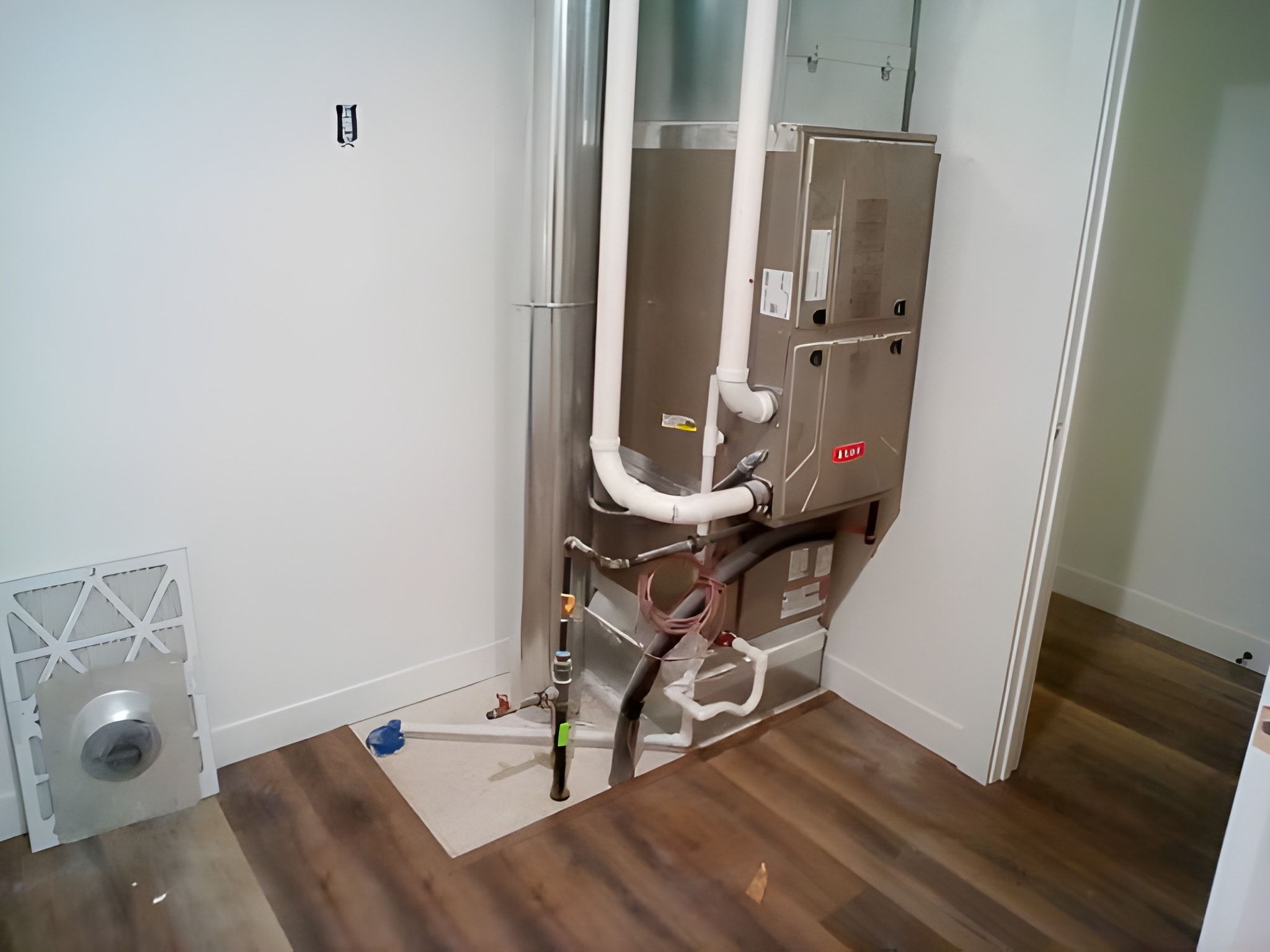
Heating Replacement in City of Industry, CA
Replacing a heating system is a major decision for any homeowner. In City of Industry, CA, where winters are mild but temperature swings and cool evenings are common, choosing the right heating replacement affects comfort, indoor air quality, and long-term energy costs. This page explains heating system replacement services, the signs that show replacement is needed, how an assessment is conducted, energy-efficiency upgrade options, cost versus long-term savings, proper removal and disposal of old units, potential rebates or incentives available locally, typical installation timelines, and financing choices tailored to City of Industry homes.
Why replace your heating system now
Even though City of Industry rarely faces extreme cold, an aging or inefficient heating system can drive up energy bills, produce uneven comfort across rooms, and pose safety concerns such as combustion problems or carbon monoxide leaks. Replacing a failing system can restore reliable warmth, lower operating costs, improve indoor air quality, and make your home ready for modern controls like smart thermostats and zoning.
Common signs a heating replacement is needed
- Age of the unit: Most gas furnaces and heat pumps start losing efficiency after 15 to 20 years. Older equipment is more likely to need replacement.
- Frequent breakdowns or high repair costs: If repairs are becoming frequent or expensive relative to the value of the unit, replacement is usually the smarter long-term choice.
- Rising energy bills: A sudden or steady increase in heating costs often indicates degraded efficiency.
- Uneven heating or short cycling: Rooms that remain cold, or a system that cycles on and off rapidly, may signal failing components or improper sizing.
- Unusual noises or odors: Persistent banging, rattling, or the smell of exhaust can be a sign of mechanical or combustion problems.
- Safety concerns: Corrosion, cracked heat exchangers, or the detection of carbon monoxide require immediate attention and may necessitate replacement.
Evaluation of existing equipment
A thorough evaluation precedes any replacement recommendation. Typical steps include:
- On-site inspection: Visual inspection of the furnace/heat pump, ductwork, vents, and combustion safety components.
- System sizing and load calculation (Manual J): Determining the correct system size for your home to avoid oversizing or undersizing, both of which reduce comfort and efficiency.
- Ductwork assessment: Checking for leaks, insulation deficits, and poor airflow that impact performance even with a new heater.
- Fuel and electrical review: Verifying gas line capacity, electrical panel readiness, and compatibility with high-efficiency equipment.
- Safety tests: Combustion analysis and carbon monoxide checks for gas-fired systems.
This diagnostic process ensures replacements are tailored to your home’s layout, occupancy patterns, and comfort needs specific to City of Industry residences.
Energy-efficiency upgrade options
- High-efficiency gas furnaces (AFUE-rated): For homes that rely on natural gas, modern furnaces offer higher Annual Fuel Utilization Efficiency (AFUE) ratings, translating into lower fuel consumption.
- Heat pumps (air-source, ducted or ductless mini-splits): Heat pumps are highly efficient in mild climates like City of Industry, providing both heating and cooling with lower energy use than traditional electric resistance systems. Ductless mini-splits are an excellent option for room-by-room control or homes without existing ducts.
- Hybrid systems: Combining a heat pump with a gas furnace for backup heating provides flexibility and optimized efficiency across varying temperatures.
- Zoning and smart controls: Zoned systems and smart thermostats improve comfort while reducing wasted heating in unoccupied spaces.
- Duct sealing and insulation upgrades: Improving the thermal envelope and sealing ducts enhances any new system’s efficiency and comfort.
Cost versus long-term savings
Upfront costs vary by system type, capacity, and complexity of installation. High-efficiency equipment and heat pumps typically cost more to install than basic models but often deliver measurable savings through lower monthly energy bills. When evaluating replacement, consider:
- Estimated annual energy savings relative to the old system
- Expected equipment lifespan and maintenance needs
- Local energy prices and how they affect operating cost comparisons between gas and electric systems
- Payback timeline for higher-efficiency upgrades
In City of Industry, the mild climate often makes heat pumps especially cost-effective. Over several years, reduced energy use and maintenance can offset higher initial costs, while improving year-round comfort.
Removal and disposal of old units
Proper removal includes:
- Safe disconnection of power and fuel lines
- Recovery and recycling of refrigerants in accordance with environmental regulations
- Responsible disposal or recycling of metals and components
- Documentation for permit closeouts and any required local compliance
Proper disposal protects indoor air quality, meets local waste-handling rules, and can be necessary to qualify for certain incentives.
Rebates and incentives in City of Industry
Homeowners in City of Industry may qualify for rebates, incentives, or tax credits from state, federal, and utility programs when installing high-efficiency equipment or electrification upgrades. Typical offerings include:
- Utility rebates for qualifying heat pumps or high-efficiency furnaces from local providers
- State-level incentives promoting electrification and energy efficiency
- Federal tax credits for energy-efficient home improvements or clean energy equipment (when applicable)
Because programs change, review current incentives from local utilities and state programs to understand eligibility and application timing before replacing equipment.
Installation timeline and process
A typical heating replacement follows these stages:
- Initial evaluation and estimate: 1–3 days to schedule; on-site assessment takes 1–2 hours.
- Equipment selection and permit application: Permit approval may take 1–2 weeks depending on local permitting offices.
- Installation: Most residential heating replacements are completed in 1–3 days for like-for-like swaps. More complex conversions (e.g., installing a heat pump and new ductwork) may take several days to a week.
- Testing and commissioning: Post-install testing, airflow balancing, and thermostat programming typically add a half-day.
- Inspection and sign-off: Final inspections by local authorities or utility verification of incentives can add additional days.
Plan for short disruptions; installers will typically coordinate schedules for efficient completion.
Financing choices
Common financing options available for heating replacement include:
- Energy-efficient home improvement loans: Fixed-term loans designed for equipment upgrades.
- Utility or manufacturer financing plans: Programs that spread payments over time.
- Property Assessed Clean Energy (PACE): Financing tied to the property tax bill for qualifying energy upgrades in some jurisdictions.
- Home equity or personal loans: Traditional borrowing methods that may be used for system replacement.
Each option has trade-offs in interest, term length, and eligibility. Factor projected energy savings into affordability assessments and review current offers from local lenders and utilities.
Final considerations and maintenance
Choosing the right heating replacement in City of Industry, CA means aligning equipment with your home’s size, duct system, fuel availability, and comfort preferences. After installation, routine annual maintenance preserves efficiency and extends equipment life: clean filters, inspect burners or coils, and verify thermostat calibration. Prioritizing an efficient, properly sized replacement improves comfort through cool to mild winters while delivering predictable energy costs and cleaner indoor air for your home.
Customer
Testimonials
Our customers consistently praise the exceptional service and professionalism of our team. They appreciate the honest advice, meticulous work, and the care taken to ensure their satisfaction.

.webp)
Service Areas
