

Replacing an air conditioning system in Newport Beach involves evaluating aging units and selecting the best options for coastal homes. Key considerations include energy savings, removal and disposal, rebates and financing, and expected timelines for installation, warranty coverage, and long-term maintenance. Signals that indicate replacement over repair, proper load calculations, corrosion protection, and coastal climate factors all influence equipment choices and overall costs.

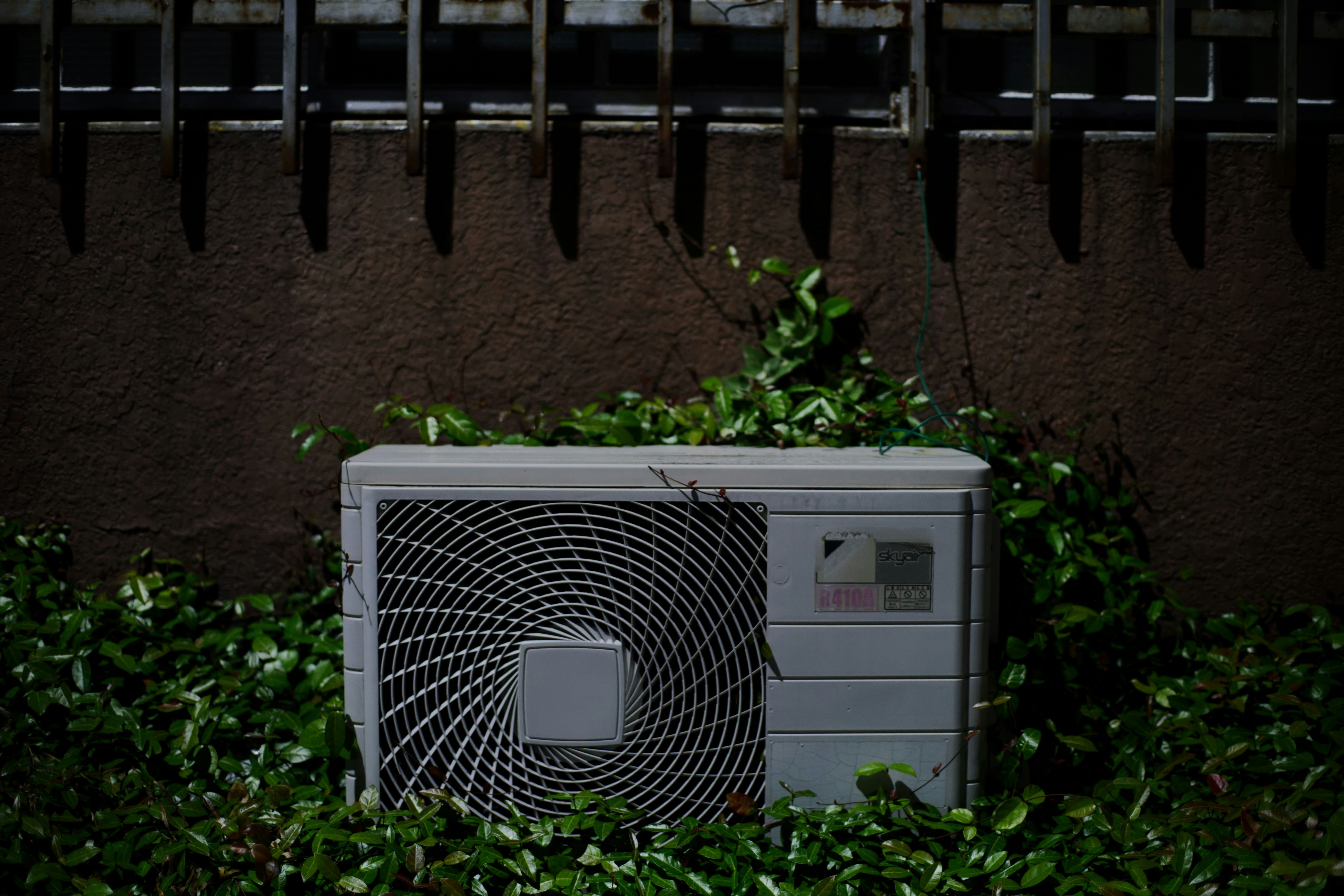
Air Conditioning Replacement in Newport Beach, CA
Replacing an air conditioning system is a big decision for Newport Beach homeowners. Coastal humidity, salty air, and mild year-round temperatures influence how long systems last and which replacement options deliver the best comfort and energy savings. This page explains when replacement is recommended versus repair, how systems are evaluated, the replacement options that work well in Newport Beach homes, expected energy savings, equipment removal and disposal, rebate and financing opportunities, and what to expect during installation and warranty coverage.
When to Replace vs. Repair
Deciding between repairing your AC and replacing it depends on several clear signals:
- Age of the system: Units older than 10–15 years typically have outdated efficiencies and components that are prone to failure. In coastal environments like Newport Beach, corrosion can shorten useful life.
- Efficiency and performance: If your system uses an older refrigerant or low SEER efficiency and your energy bills have been steadily rising, replacement often yields better long-term savings.
- Repair frequency and cost: Multiple repairs in a short period is a strong indicator that replacement will be more cost-effective over time.
- Comfort issues: Persistent uneven cooling, excessive humidity, or poor air quality that repairs do not fix may mean your system is undersized or the ducting and controls are outdated.
- Availability of parts and safety: Older systems using phased-out refrigerants may face higher repair costs or regulatory limits on repairs.
System Evaluation Criteria
Before recommending replacement, a thorough evaluation should include:
- Age and service history — frequency and type of past repairs.
- Efficiency rating — current SEER/HSPF and how it compares to modern units.
- Cooling capacity — measured against your home’s needs using a load calculation.
- Ductwork condition — leaks, insulation, and airflow problems that can reduce system effectiveness.
- Indoor air quality and humidity control needs — filtration, ventilation, and dehumidification requirements.
- Environmental exposure — coastal salt air and humidity that accelerate wear and influence material choices.
- Refrigerant type — systems using phased-out refrigerants may justify replacement for regulatory and cost reasons.
Replacement Options for Newport Beach Homes
Newport Beach’s mild climate allows for several effective replacement strategies that prioritize efficiency, comfort, and corrosion resistance:
- High-efficiency central air systems: Modern high-SEER units with variable-speed compressors deliver better temperature control and energy savings. Look for corrosion-resistant coatings for outdoor coils in coastal installations.
- Air-source heat pumps: Excellent for Newport Beach temperatures, heat pumps provide both efficient cooling and heating with high seasonal performance. They’re a strong option for reducing energy use and simplifying HVAC equipment.
- Ductless mini-split systems: Ideal for older homes with limited ductwork or for room-by-room zoning. Ductless systems provide high efficiency and flexible installation without major modifications.
- Zoned systems and smart controls: Adding zoning or a smart thermostat improves comfort and reduces wasted cooling by directing conditioned air only where it’s needed.
- Improved distribution components: ECM blowers, better filtration, UV or enhanced ventilation can improve indoor air quality and system responsiveness.
Energy Savings and Payback Considerations
While exact savings depend on home size, usage patterns, and the starting efficiency of your old system, modern equipment can significantly reduce energy use:
- Upgrading from an older, low-efficiency unit to a high-efficiency system commonly reduces cooling energy consumption by a substantial percentage, especially when paired with correctly sized equipment and efficient controls.
- Heat pumps and variable-speed systems often deliver the best seasonal efficiency in mild coastal climates, improving comfort and lowering operating costs.
- Savings projections should always be personalized: a load-calculation-based equipment recommendation and a review of historical energy use provide the most reliable estimate.
Removal, Disposal, and Environmental Compliance
Proper disposal of the old system is an important part of replacement:
- Refrigerant recovery: Technicians must recover and handle refrigerants per federal and state regulations to prevent environmental release.
- Recycling of materials: Metals, plastics, and components are typically recycled, and hazardous parts are disposed of according to local codes.
- Permit and code compliance: Replacement work in Newport Beach will often require permits and inspections to meet local building codes and energy standards. Coastal installation may require additional corrosion protection and mounting considerations.
Rebates, Incentives, and Financing
California and local utilities frequently offer incentives for high-efficiency equipment and electrification upgrades. Available programs may include:
- Utility rebates for qualifying high-efficiency central systems, heat pumps, and smart thermostats.
- State-level incentives or tax credits for energy-efficient and low-carbon equipment, sometimes linked to specific installation requirements.
- Financing options such as energy-efficiency loans or special financing programs that spread payments over time; eligibility and terms vary.
Eligibility and program details change regularly, and the right replacement plan often considers available incentives to maximize long-term savings.
Replacement Installation Process
A professional replacement typically follows these steps:
- Site assessment and load calculation: A Manual J load calculation determines the correct system size. Technicians inspect ductwork, insulation, and the outdoor unit location.
- Equipment selection: Based on the assessment, an appropriately sized high-efficiency unit or heat pump and compatible controls are chosen.
- Permits and scheduling: Required permits are obtained and a timeline is set to coordinate removal and installation.
- Removal and safe disposal: The old equipment is removed, refrigerant is recovered, and materials are recycled or disposed of per regulations.
- Installation and upgrades: New equipment is installed, ductwork repaired or sealed as needed, and electrical or mounting upgrades completed to meet local codes and coastal exposure needs.
- Testing and commissioning: The system is charged, balanced, and tested for airflow, temperature split, and correct operation. Smart thermostats and zoning controls are configured.
- Walkthrough and documentation: Homeowners receive operation guidance, warranty information, and maintenance recommendations.
Typical installation time varies with system complexity and any ductwork or electrical upgrades required.
Warranties and Long-Term Care
Manufacturer warranties vary by component; common protections include multi-year parts warranties that can often be extended with proper registration and scheduled maintenance. Labor warranties are provided by the installer and vary by company and scope of work. Coastal installations benefit from equipment with enhanced corrosion protection and attentive maintenance to extend lifespan. Regular seasonal tune-ups, filter changes, and duct inspections keep performance high and preserve warranty eligibility.
Final Considerations for Newport Beach Homeowners
Replacing an air conditioning system in Newport Beach requires balancing efficiency, durability against coastal exposure, and comfort needs. A replacement that includes modern controls, proper sizing, and attention to ductwork and corrosion protection delivers the best long-term value—lower energy use, fewer repairs, improved indoor air quality, and consistent comfort. Assessments based on equipment age, efficiency, repair history, and a home-specific load calculation lead to the most reliable replacement recommendations and savings projections.
Customer
Testimonials
Our customers consistently praise the exceptional service and professionalism of our team. They appreciate the honest advice, meticulous work, and the care taken to ensure their satisfaction.

.webp)
Service Areas
