

An air conditioning tune-up in Newport Beach, CA delivers proactive maintenance to protect comfort and reduce seasonal energy costs. The service follows a thorough, safety-focused checklist - filter replacement, coil cleaning, refrigerant checks, electrical inspection, thermostat calibration, airflow assessment, and drain maintenance - tailored to coastal conditions such as salt exposure and humidity. Homeowners learn what technicians inspect, what issues to expect, and how regular tune-ups extend equipment life while enhancing efficiency, indoor air quality, and reliable cooling during peak months.

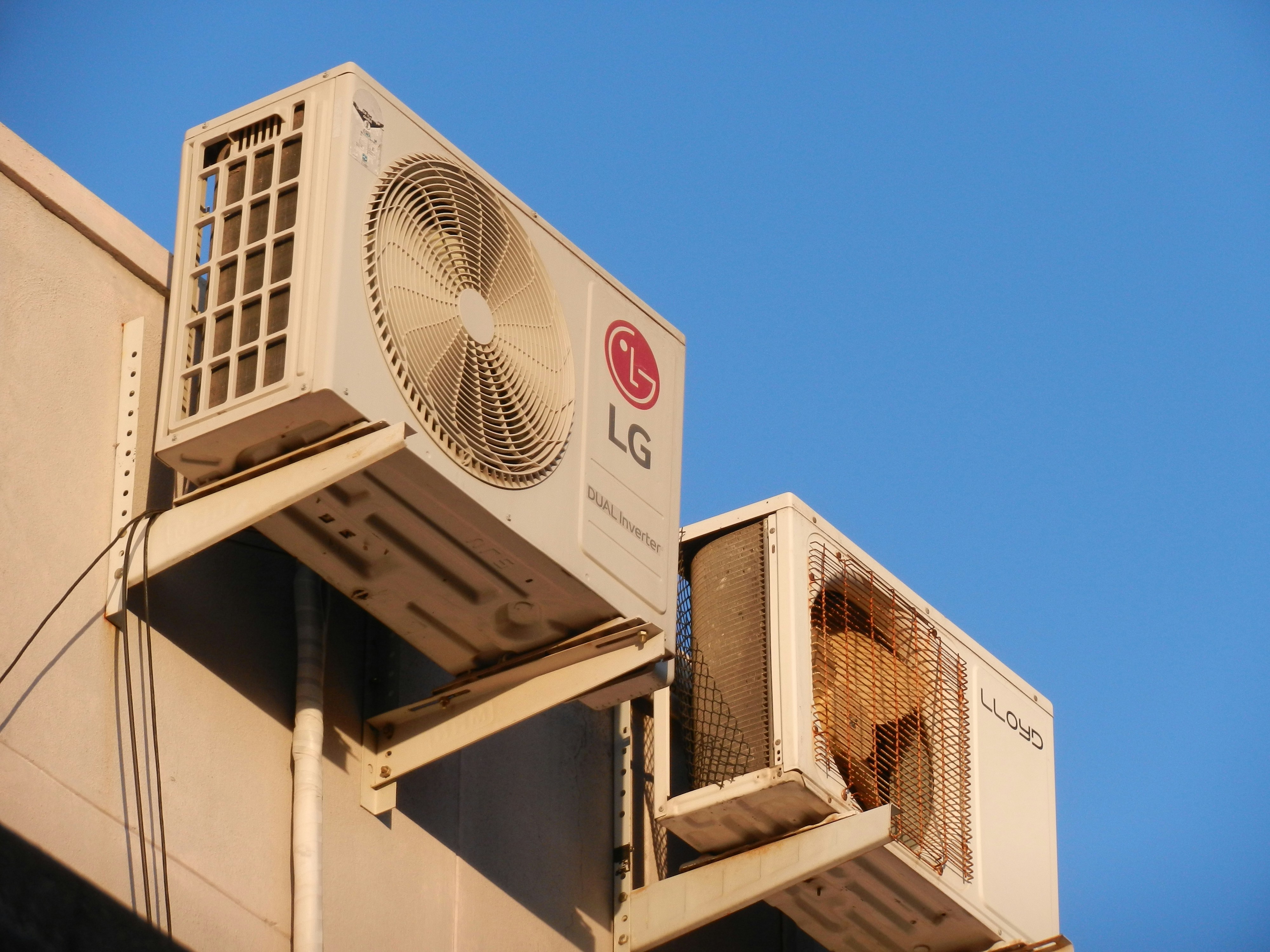
Air Conditioning Tune-up in Newport Beach, CA
A seasonal air conditioning tune-up in Newport Beach, CA protects comfort and reduces costs by preparing your system for the region’s warm, humid summers and salt-laden coastal environment. A professional tune-up addresses common wear points, optimizes efficiency, and reduces the chance of mid-season breakdowns—important for Newport Beach homes that rely on consistent cooling during peak beach months and inland heat spells.
Typical tune-up checklist for Newport Beach homes
A thorough AC tune-up follows a consistent checklist. Each item below is explained in plain terms so you know what technicians inspect and why it matters.
- Filter inspection and replacement
Clean filters mean better airflow and indoor air quality. For coastal homes with fine dust and pet dander, filters should be checked and often replaced during every tune-up. - Coil cleaning (evaporator and condenser)
Salt, pollen, and debris build up on coils and reduce heat transfer. Cleaning both coils restores efficient cooling and prevents freeze-ups on the evaporator coil. - Refrigerant level check
Proper refrigerant charge is critical. Low refrigerant reduces capacity and stresses the compressor. Technicians identify leaks and advise on appropriate repair or recharge. - Safety control checks
Safety switches, float switches, and high-pressure/low-pressure cutouts are verified to prevent water damage and equipment failure. - Lubrication of moving parts
Bearings and motors that receive proper lubrication run smoother, use less energy, and last longer. - Thermostat calibration and settings review
Technicians check thermostat accuracy and configuration to ensure the system cycles correctly and supports any zoning or smart controls. - Airflow inspection (ductwork and blower)
Reduced airflow is a common cause of poor performance. Inspecting blower wheel, fan motor, and accessible ductwork helps spot restrictions, leaks, or dirty components. - Electrical inspection and tightening
Loose connections, worn capacitors, and weak contactors are common failure points. A visual and electrical test prevents unexpected shutdowns. - Drain line and condensate pan inspection
Clogs and corrosion cause overflow and mold. Clearing drains and treating pans helps prevent water damage and indoor air quality problems.
What to expect during a professional AC tune-up
A typical tune-up follows a consistent, safety-focused sequence:
- System startup and operational check to observe baseline performance.
- Filter and visible component inspection; replace filters if needed.
- Electrical checks with system off: tighten terminals, test capacitors and contactors.
- Clean condenser and evaporator coils, clear debris around outdoor unit.
- Check refrigerant pressures and temperatures to confirm proper charge.
- Lubricate motors and moving parts where applicable.
- Inspect drain lines and pans; flush or clear blockages.
- Calibrate thermostat and test full cooling cycle for temperature differential and airflow.
- Provide a concise service report noting observations, immediate repairs, and recommended follow-up.
Technicians adapt this process to local conditions. For Newport Beach properties, extra attention is paid to corrosion on outdoor units and salt-related buildup.
Benefits of regular tune-ups
Regular seasonal tune-ups deliver measurable advantages for homeowners in Newport Beach:
- Improved efficiency and lower energy bills
Clean coils, correct refrigerant charge, and proper airflow reduce run-time and electrical demand. - Fewer breakdowns during high-use periods
Catching worn capacitors, frayed wiring, or weak motors before summer prevents emergency calls. - Extended equipment life
Routine lubrication and tightening reduce wear, helping compressors and motors reach their expected lifespan. - Better indoor air quality
Replacing filters and clearing drain lines minimizes dust, allergens, and mold growth common in humid coastal climates. - More reliable cooling performance
Calibrated thermostats and verified refrigerant levels deliver consistent comfort without temperature swings.
Recommended frequency and timing in Newport Beach, CA
- Annual basic tune-up is the minimum: schedule once per year, ideally in spring before the heavier cooling months.
- Semi-annual service is recommended for coastal properties or households with heavy use (seniors, allergy sufferers, or long cooling seasons). A spring and early fall visit keeps systems balanced and ready.
- After severe weather or salt-spray exposure, inspect the outdoor unit for accelerated corrosion and clean as needed.
Timing the main tune-up in late March to May ensures reliable operation when temperatures rise. A second visit in September or October helps prepare the system for milder months and detects any issues after sustained summer operation.
How tune-ups fit into a preventative maintenance plan
A tune-up is a core element of a broader maintenance strategy that protects investment and home comfort. Key components of a maintenance plan include:
- Scheduled inspections (annual or semi-annual) with documented service history.
- Priority repairs identified during tune-ups to avoid cascading failures (for example, replacing a failing capacitor before it burns out the compressor).
- Filter replacement schedule tailored to your home’s occupancy, pets, and local allergens.
- Corrosion management for coastal units, including protective coatings and more frequent coil cleanings.
- Performance tracking of energy usage and runtime to spot gradual declines indicating a need for deeper service or replacement.
Keeping service records helps with warranty claims and makes replacement decisions clearer when systems near end of life.
Common AC tune-up issues specific to Newport Beach
- Salt corrosion on outdoor units: Accelerates wear on fins, coils, and electrical connections. Regular cleaning and inspection are important.
- Mildew and clogged drain lines: High humidity encourages biological growth in drain pans and ducts, increasing maintenance needs.
- Refrigerant leaks in older systems: Older refrigerant types (R-22) may require special handling and are prone to leaks; tune-ups identify declining performance early.
- Duct leakage and insulation gaps: Older coastal homes may have ductwork that loses cooled air, reducing efficiency.
- Thermostat or zoning misconfigurations: Homes with multiple zones need precise calibration to avoid short-cycling or uneven cooling.
An air conditioning tune-up in Newport Beach, CA is a proactive, cost-effective step to protect comfort, reduce energy costs, and extend the life of your system. Regular seasonal service—tailored to coastal conditions like salt exposure and humidity—keeps equipment running reliably during peak use and makes long-term maintenance and replacement planning straightforward.
Customer
Testimonials
Our customers consistently praise the exceptional service and professionalism of our team. They appreciate the honest advice, meticulous work, and the care taken to ensure their satisfaction.

.webp)
Service Areas
