

Air conditioning installation in Newport Beach, CA follows a comprehensive process, from on-site assessment and Manual J load calculations to equipment selection, energy-efficiency options, ductwork and refrigerant considerations, and permitting. The process includes a step-by-step installation timeline, pre- and post-installation testing, warranty handoff, and guidance on financing or rebates. Emphasis is placed on corrosion resistance for coastal environments, proper sizing for humidity, and long-term savings through high-efficiency systems, helping homeowners plan, budget, and achieve reliable comfort.

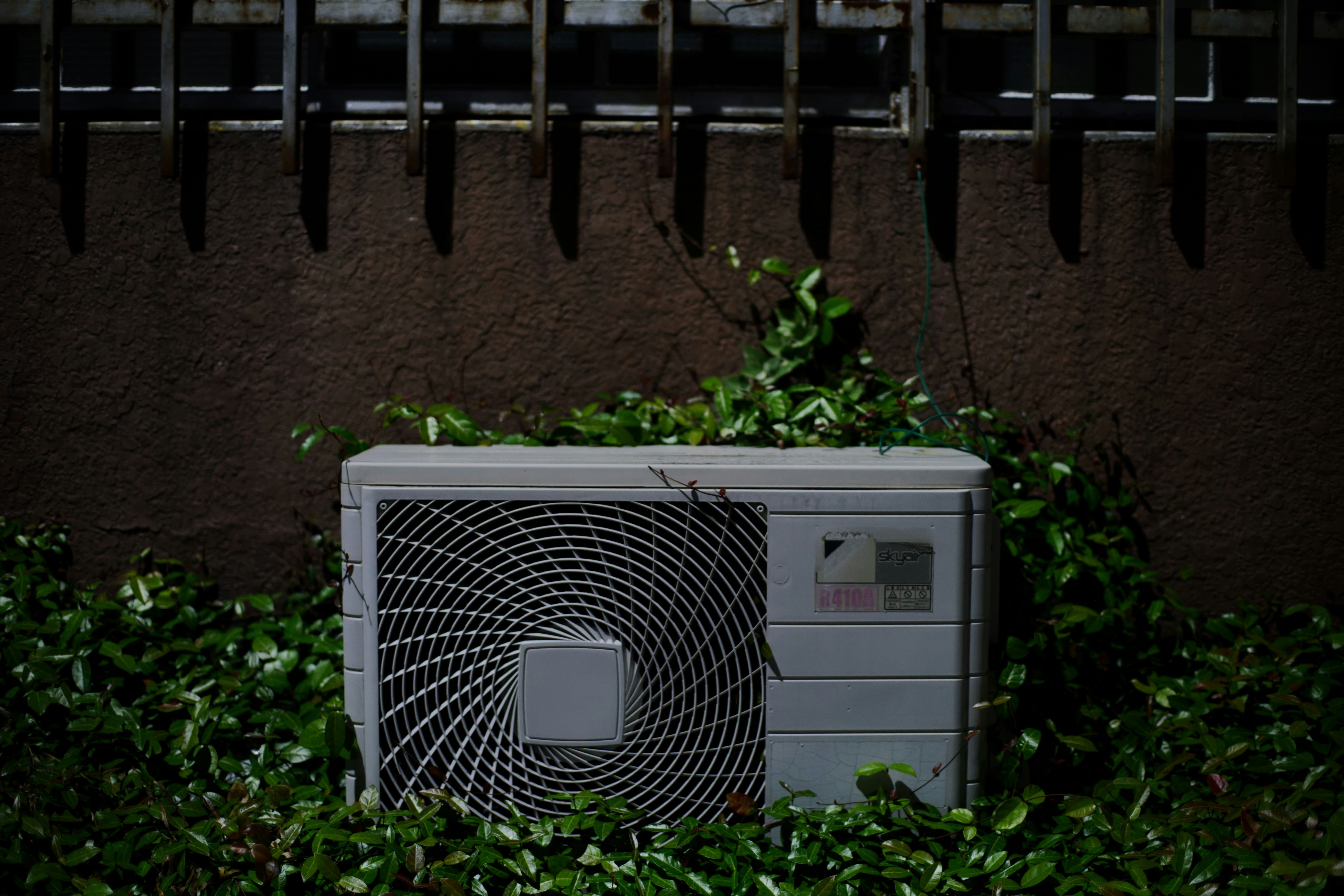
Air Conditioning Installation in Newport Beach, CA
Replacing or installing an air conditioning system is one of the most important home investments for comfort, energy savings, and indoor air quality in Newport Beach, CA. Coastal temperatures combined with inland heat waves, humidity swings, and salty ocean air create unique demands on equipment and installation practices. This page explains the complete AC installation process—on-site assessment and load calculations, equipment selection and energy-efficiency options, ductwork and refrigerant line considerations, permitting and code compliance, a step-by-step installation timeline, pre- and post-installation testing, warranty and maintenance handoff, plus financing and rebate guidance—so you can make an informed decision for your Newport Beach home.
Why the right installation matters in Newport Beach
- Coastal salt air accelerates corrosion on outdoor units unless corrosion-resistant components and coatings are used.
- Temperate winters and hot summer afternoons require systems sized for both sensible and latent loads to manage temperature and coastal humidity.
- Energy codes in California (including Title 24 requirements) emphasize efficiency and correct installation to meet compliance and qualify for incentives.Choosing the right system and a thorough installation reduces breakdowns, improves comfort, and lowers utility bills.
Common AC installation types and what suits Newport Beach homes
- Central split systems: Standard for homes with existing ductwork; efficient when properly sized and ductwork is optimized.
- Heat pumps: Provide efficient cooling and heating; increasingly popular in mild coastal climates for year-round comfort.
- Ductless mini-splits: Ideal for additions, retrofits, or rooms without ductwork; offer zone control and high efficiency.
- Packaged units: Used where indoor space is limited; suitable for certain single-story designs.Each option has trade-offs in upfront cost, efficiency, and suitability for homes near the coast. Load calculations and a site visit determine the best fit.
On-site assessment and accurate load calculations
- Home inspection: A technician evaluates insulation, window orientation, roof type, existing ductwork, and attic conditions that influence cooling load.
- Manual J load calculation: The industry-standard process that determines the exact cooling and dehumidification needs of each room. Avoid installers who rely solely on equipment tonnage rules of thumb.
- Duct assessment: Check for size, leakage, insulation levels, and return pathways. Too-small or leaky ducts undermine any new system’s performance.Accurate sizing prevents short cycling, inadequate dehumidification, and excessive energy use.
Equipment selection and energy-efficiency options
- SEER and HSPF ratings: Higher SEER (Seasonal Energy Efficiency Ratio) and HSPF (for heat pumps) mean lower operating costs. California standards are high; choose a unit that exceeds minimum requirements when possible.
- Variable-speed compressors and fans: Provide quieter operation, more consistent temperatures, and better humidity control—valuable in Newport Beach’s variable climate.
- Corrosion-resistant materials: Specify coated coils, stainless-steel fasteners, and non-corrosive cabinet finishes to protect outdoor equipment from salt air.
- Smart thermostats and zoning: Improve comfort and efficiency, especially in multi-zone houses or rooms with different sun exposures.Discuss long-term operating costs and local climate impacts when comparing models.
Ductwork and refrigerant line considerations
- Duct sealing and insulation: Sealing leaks and insulating ducts in attics or crawl spaces improves efficiency and comfort. Use materials rated for local climate exposure.
- Proper refrigerant lines: Line size, insulation, and routing affect performance. Minimize line length and bends where possible.
- Refrigerant types: Modern systems use lower-GWP refrigerants. Confirm the refrigerant charge is measured and verified during start-up to meet efficiency and environmental standards.
- Return air and ventilation: Ensure adequate return pathways and consider ventilation options to maintain indoor air quality without overburdening the AC.
Permitting and code compliance in Newport Beach
- Local permits: Newport Beach requires mechanical and building permits for new installations or major replacements. Proper permitting ensures inspections and code compliance.
- California Title 24: Installations must meet state energy codes for efficiency, duct sealing, and duct insulation. Documentation during installation helps with compliance verification.
- Coastal zone considerations: Corrosion protection and appropriate equipment placement may be influenced by local coastal regulations. Expect inspectors to verify materials and setbacks when required.Always plan for permit lead times as part of the project schedule.
Step-by-step installation timeline
- Initial consultation and estimate: Includes on-site assessment, load calculations, and equipment recommendations.
- Permit submission: Typically filed after scope is agreed; permit approval time varies by jurisdiction.
- Preparation work: Duct repairs, electrical upgrades, or minor carpentry are completed before outdoor/indoor unit installation.
- Main installation: Removal of old equipment, setting outdoor unit, mounting indoor coil or air handler, installing refrigerant lines, and connecting electrical systems. Typical full-day to multi-day timeline depending on scope.
- Start-up and commissioning: Technicians evacuate lines, charge refrigerant, test electrical connections, and run the system through performance checks.Expect a professional install to include coordination of trades and clear milestones from start to finish.
Pre- and post-installation testing and verification
- Airflow and static pressure testing: Confirms ducts and fans deliver required airflow to each room.
- Refrigerant charge verification: Ensures correct refrigerant levels for peak efficiency and longevity.
- Leak tests and electrical checks: Validate system safety and integrity.
- Thermostat calibration and system education: Verify thermostat settings, zoning controls, and show the homeowner how to operate the system efficiently.Documented test results are essential for warranties and code compliance.
Warranty, maintenance handoff, and what to expect after installation
- Manufacturer and installer warranties: Receive written documentation that outlines coverage periods and maintenance requirements.
- Maintenance schedule: Regular filter changes, annual tune-ups, coil cleaning, and refrigerant checks preserve efficiency and warranty eligibility.
- Seasonal considerations: In Newport Beach, pay attention to salt buildup on outdoor coils and consider annual corrosion inspections.Proper handoff includes manuals, warranty cards, and a clear maintenance checklist.
Financing and rebate guidance for Newport Beach homeowners
- Utility and state incentives: Energy-efficiency rebates and incentives may be available for high-efficiency systems or heat pumps; eligibility often depends on equipment ratings and proper installation documentation.
- Federal incentives: Some heat pump installations may qualify for federal clean energy tax credits; check documentation requirements and qualifying criteria.
- Financing options: Many homeowners use financing to spread the upfront cost; confirm terms and compare payback through energy savings.Collecting permit, equipment specification, and installation verification documents helps when applying for rebates or tax credits.
Final considerationsA properly designed and professionally installed air conditioning system tailored to Newport Beach conditions delivers reliable comfort, better humidity control, and lower operating costs. Insist on accurate load calculations, corrosion-resistant components, thorough duct evaluation, and documented testing to protect your investment and ensure compliance with local codes. With the right planning—permits, efficient equipment choices, and routine maintenance—your new AC will perform efficiently and last longer in the coastal environment.
Customer
Testimonials
Our customers consistently praise the exceptional service and professionalism of our team. They appreciate the honest advice, meticulous work, and the care taken to ensure their satisfaction.

.webp)
Service Areas
