

Air conditioning preventative maintenance in San Dimas, CA outlines a proactive program to protect comfort, indoor air quality, and system efficiency. It covers inspections of indoor/outdoor units, filters, coils, condensate drains, electrical safety, blower, refrigerant checks, thermostat calibration, and a post-visit performance report. Visit recommendations include biannual, annual, or quarterly intervals based on usage and conditions. The guide also describes diagnostic steps, common issues (clogged filters, leaks, failing capacitors), member benefits, enrollment steps, and practical tips to keep systems running smoothly between visits.

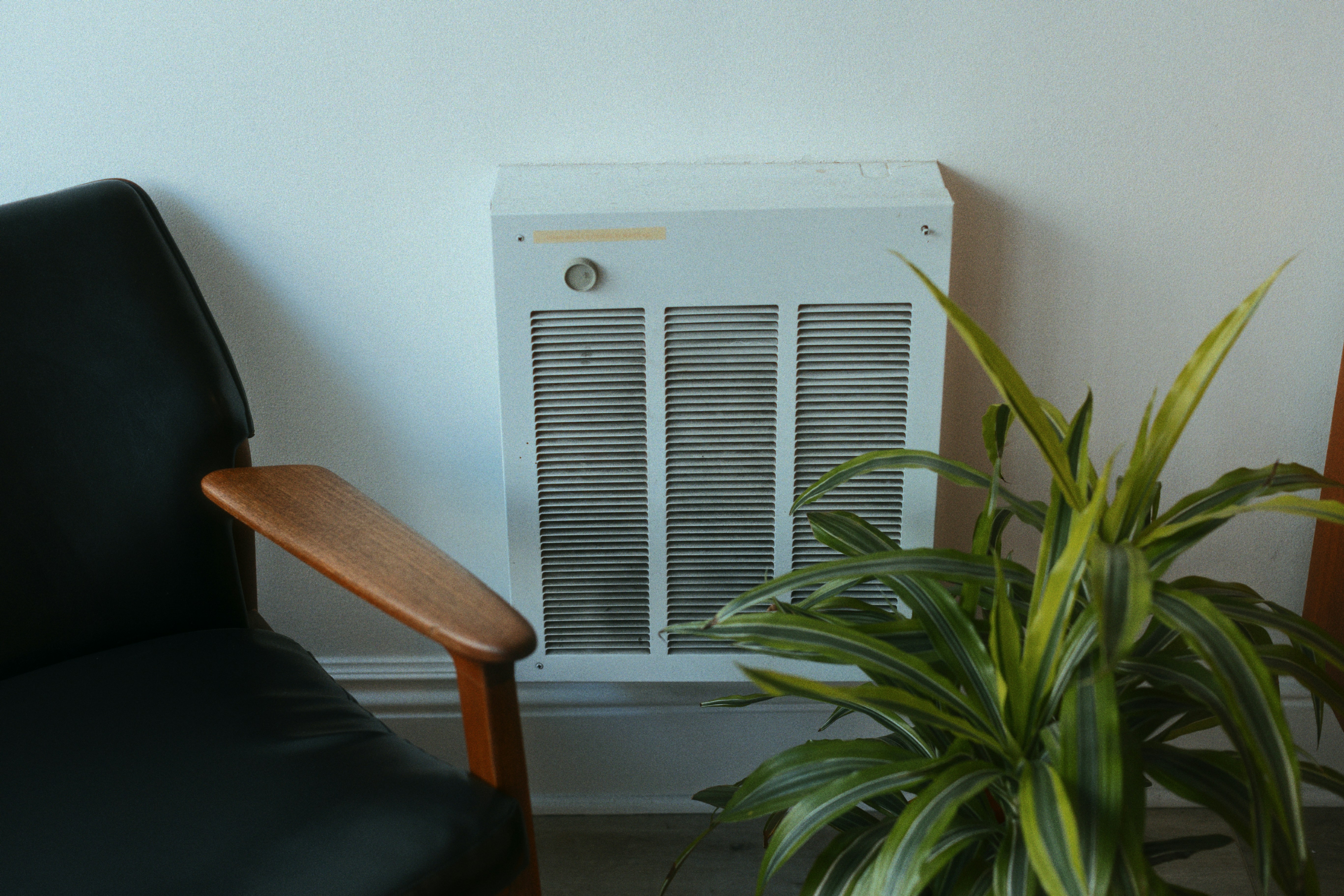
Air Conditioning Maintenance in San Dimas, CA
Keeping your air conditioning running reliably through hot San Dimas summers protects comfort, indoor air quality, and your energy bills. Preventative air conditioning maintenance in San Dimas, CA focuses on stopping common failures before they happen — especially important here where prolonged heat, seasonal dust, pollen, and occasional wildfire smoke accelerate filter clogging and system stress. This page explains what a preventative maintenance program includes, the inspection and service process, member benefits like priority scheduling and discounts, and what to expect when enrolling.
Why preventative AC maintenance matters in San Dimas
San Dimas homes face specific challenges for cooling systems:
- Hot, dry summer days and strong sun increase runtime and component stress.
- Dust, pollen, and regional ash can clog filters and coils faster than in cooler, wetter climates.
- Temperature swings and Santa Ana winds can introduce debris into outdoor units.Regular maintenance reduces the risk of mid-summer breakdowns, keeps systems operating efficiently, and helps extend equipment life in this climate.
Typical services included in a preventative maintenance agreement
Maintenance programs are built to cover key tasks that preserve performance and safety. Typical inclusions:
- Comprehensive inspection of indoor and outdoor units, controls, and visible ductwork.
- Filter replacement or inspection with recommendations for appropriate MERV rating based on family health needs and local air quality.
- Indoor coil and outdoor coil cleaning to restore heat transfer efficiency.
- Condensate drain check and cleaning to prevent backups and microbial growth.
- Electrical and safety checks, including testing capacitors, contactors, wiring connections, and safety switches.
- Blower assembly inspection and adjustment for proper airflow.
- Refrigerant level check and system pressure reading; identification of possible leaks (noninvasive leak detection is typically included; repairs vary).
- Thermostat calibration and controls check to ensure accurate operation.
- System performance report after each visit documenting findings and recommended actions.
Recommended visit intervals for San Dimas homes
Maintenance frequency depends on system type, usage, and local conditions:
- Standard biannual plan: Two visits per year (spring pre-cooling check and fall inspection) is recommended for homes with combined heating and cooling or heavy seasonal use.
- Annual pre-summer check: For AC-only systems in mild-use homes, a full inspection and tune-up before peak heat is essential.
- Quarterly checks: For homes with high dust exposure, wildfire smoke seasons, or medically vulnerable occupants, more frequent filter changes and quarterly inspections can be beneficial.
Each visit is designed to be proactive: small adjustments and cleanings now reduce the likelihood of larger, costlier failures later.
What a diagnostic visit looks like
A maintenance visit follows a systematic diagnostic checklist presented in plain terms:
- Visual inspection of outdoor unit for debris, level, and condenser fins condition.
- Inspection and replacement or cleaning of air filters; measurement of static pressure when needed.
- Cleaning of evaporator and condenser coils as required.
- Testing electrical components under load to identify weak capacitors or loose connections.
- Measuring refrigerant pressures to assess system charge; noting any signs of leakage.
- Verifying proper thermostat operation and airflow measurements.
- Checking condensate drain and pan for clogs or microbial buildup.
- Documenting recommended repairs and estimated urgency so homeowners can prioritize.
Technicians explain findings in non-technical language and provide an itemized service report so you know what was inspected and why certain repairs are recommended.
Common problems discovered during maintenance and solutions
During maintenance, technicians frequently find these issues:
- Clogged filters and dirty coils: Reduced airflow, higher energy use, and increased wear. Solution: filter changes and coil cleaning restore efficiency.
- Low refrigerant or slow leaks: System runs longer, struggles to cool. Solution: refrigerant recharge if appropriate and leak diagnosis for repair.
- Failing capacitors or motors: Intermittent starts or noisy operation. Solution: component replacement to avoid total failure.
- Clogged condensate drain: Water overflow or microbial odors. Solution: drain clearing and application of drain treatment to prevent recurrence.
- Loose electrical connections: Risk of overheating and failure. Solution: tightening and replacing compromised hardware.
Addressing these issues early typically prevents emergency repairs and preserves unit lifespan.
Member benefits: priority scheduling and savings over time
Membership-based maintenance programs are structured to reward consistent care:
- Priority scheduling for members during peak heat periods ensures faster response when system checks or repairs are needed.
- Member pricing or discounts on standard service items and labor for covered items in many plans.
- Service history and reminders are often maintained so each visit builds a documented maintenance record, helpful for warranty compliance and resale value.
- Long-term benefits include lower energy consumption, fewer emergency repairs, stabilized indoor comfort, and extended equipment life — especially valuable in San Dimas where AC use is high during summer months.
Enrollment process and what you should prepare
Typical enrollment steps are straightforward and focused on setting up a recurring, managed program:
- Provide basic home information such as address, system make and model, installation year, and any existing warranties.
- Select the maintenance interval that fits your home and usage (annual, biannual, quarterly).
- Review program terms such as included services, member benefits like priority scheduling, and how service records will be maintained.
- Expect automated reminders or a maintenance calendar to be established so visits occur before peak seasons.
Preparing for enrollment by locating system model numbers and noting known issues or recent repairs helps technicians tailor the initial visit.
Proactive tips for San Dimas homeowners between service visits
Small homeowner actions make maintenance more effective:
- Replace or clean disposable filters every 1 to 3 months during high-use periods; higher MERV filters improve air quality but may need more frequent changes to avoid restricting airflow.
- Keep the outdoor unit clear of debris, plants, and shade-blocking objects while maintaining adequate airflow around it.
- Use shading or landscaping wisely to reduce direct sun on the condenser without obstructing airflow.
- Monitor indoor humidity and ventilation; clogged drains or poor airflow can indicate a developing problem.
- Note unusual noises, odors, or reduced cooling and record when they occur to help with diagnostics during the next maintenance visit.
Bottom line
Preventative air conditioning maintenance in San Dimas, CA is a practical, cost-effective strategy to protect comfort and control long-term operating costs. A structured maintenance program that includes inspections, filter management, coil cleaning, safety checks, and documented service visits addresses the region-specific stresses on HVAC systems and reduces the chance of disruptive breakdowns during the hottest months. Enrollment typically involves sharing system details, choosing a visit cadence, and establishing a maintenance record that supports consistent care and member benefits like priority scheduling and member pricing. Regular maintenance keeps systems running efficiently, improves indoor air quality, and helps maximize equipment life under San Dimas conditions.
Customer
Testimonials
Our customers consistently praise the exceptional service and professionalism of our team. They appreciate the honest advice, meticulous work, and the care taken to ensure their satisfaction.

.webp)
Service Areas
