

An annual or seasonal air conditioning tune-up in San Dimas, CA helps homes stay cool, beat peak demand, and extend equipment life. It addresses common issues such as reduced cooling, short cycling, dirty coils, and high energy use, outlining a comprehensive seasonal checklist that includes filter care, coil cleaning, refrigerant checks, electrical safety, and performance testing. The guide also provides maintenance tips, recommended service frequency, appointment expectations, and scheduling guidance to maximize comfort and efficiency.

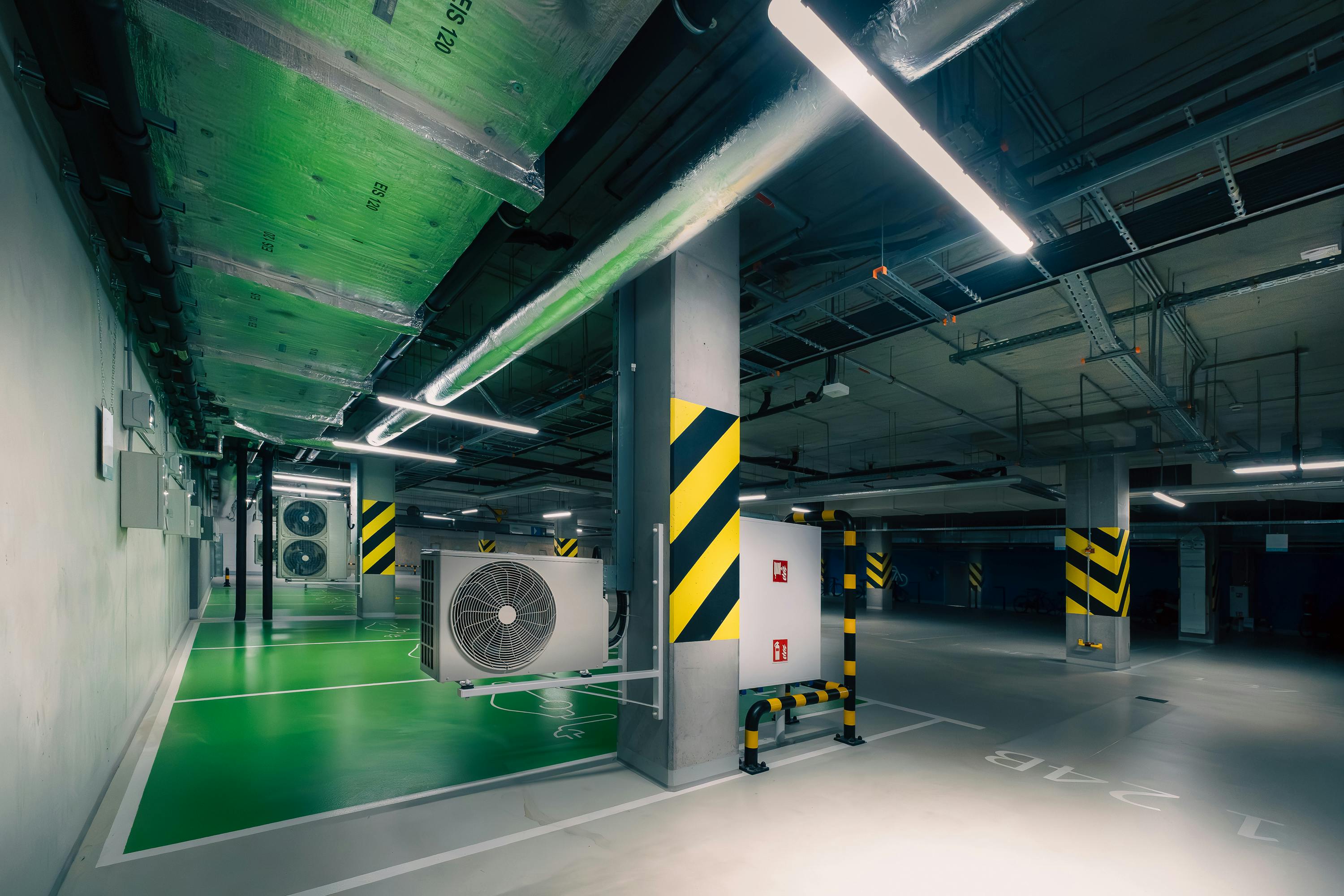
Air Conditioning Tune-up in San Dimas, CA
An annual or seasonal air conditioning tune-up in San Dimas, CA keeps your home comfortable through hot summer months and protects your system from avoidable failures. With hot, dry inland summers and occasional heat waves, San Dimas homes put heavy demand on AC equipment. A professional tune-up addresses the wear and tear caused by high run-times, dust, and temperature extremes so your system runs efficiently, reliably, and lasts longer.
Why a seasonal tune-up matters in San Dimas
San Dimas experiences long cooling seasons and frequent peak-load days that drive energy use and strain equipment. Dust from local landscapes, pollen, and neighborhood construction can clog filters and coils faster than in cooler coastal areas. A tune-up done before the hottest weeks reduces the risk of mid-summer breakdowns, lowers energy bills on hot days, and helps maintain consistent indoor comfort during Santa Ana wind events and heat spikes.
Common AC problems in San Dimas homes
- Reduced cooling capacity during heat waves
- Short cycling or frequent on/off cycles
- High energy use and rising monthly bills
- Freezing evaporator coils caused by restricted airflow
- Strange noises from the outdoor unit after a dusty season
- Thermostat inaccuracy and uneven room temperatures
Tuning up the system identifies these issues early and corrects small problems before they become costly failures.
Seasonal Tune-up Checklist
A thorough Air Conditioning Tune-up in San Dimas, CA typically includes the following tasks:
- Filter inspection and replacement or cleaning: Verify filter condition and change or clean to restore airflow and indoor air quality.
- Evaporator and condenser coil cleaning: Remove dust, pollen, and grime that reduce heat transfer and efficiency.
- Refrigerant level check: Inspect refrigerant charge to ensure the system has the correct levels for peak performance and to detect leaks.
- Electrical inspection and safety checks: Test capacitors, relays, contactors, wiring, and connections for wear or corrosion to prevent failures and fire hazards.
- Thermostat calibration and controls check: Confirm thermostat accuracy and operation for reliable temperature control and efficient cycling.
- Blower motor and fan inspection: Clean and inspect blower components and the outdoor fan for proper operation and balanced airflow.
- Drain line and condensate pan cleaning: Clear blockages to prevent water damage and microbial growth.
- Performance testing: Measure temperatures, airflow, and return/supply differentials to verify the system is delivering rated cooling capacity.
- System safety tests: Check safety switches and emergency controls to ensure reliable operation under fault conditions.
- Visual inspection of ductwork and access points (when reachable): Look for obvious leaks, disconnected joints, or insulation issues that reduce efficiency.
What technicians look for and why it matters
During a tune-up, technicians are checking for restricted airflow, improper refrigerant levels, electrical stress, and wear that increase operating costs and shorten equipment life. For example, a dirty condenser coil can make the compressor run longer to reach set temperatures, accelerating wear and raising energy use—important in San Dimas where extended high-temperature runs are common. Identifying minor electrical issues early prevents sudden failures when you need cooling most.
Benefits of regular tune-ups
- Improved efficiency: Clean coils, correct refrigerant levels, and calibrated controls reduce energy consumption, especially critical during San Dimas heat spells.
- Greater reliability: Preventative checks catch failing components before they cause breakdowns on the hottest days.
- Longer equipment life: Proper maintenance reduces stress on the compressor and motors, extending the life of the system.
- Better indoor comfort: Accurate thermostats and balanced airflow reduce hot spots and maintain steady temperatures.
- Lower long-term costs: Minimizing emergency repairs and maximizing efficiency reduces lifetime ownership expense.
Recommended frequency
- Standard recommendation: At least once per year, ideally in the spring before cooling season begins.
- For older systems, units with known issues, homes with pets or heavy dust, or for properties with heavy summer use: twice per year (spring and late summer) is advisable.
- If your system is under warranty, follow the manufacturer’s maintenance interval requirements to preserve coverage.
What to expect during an appointment and how scheduling typically works
A typical tune-up appointment lasts 60 to 90 minutes for a single-family home depending on system condition and accessibility. The technician will:
- Confirm system make, model, and runtime history if available.
- Perform the checklist items above, documenting measured values such as refrigerant pressures, temperature splits, and amp draws.
- Explain observed issues or recommendations in plain language and provide a prioritized list of suggested repairs or further diagnostics.
Scheduling for San Dimas homeowners is usually available through online booking systems, phone scheduling, or email requests with appointment windows. Peak demand occurs in late spring and during heat waves, so many homeowners schedule tune-ups several weeks before anticipated hot periods to secure convenient times. When arranging an appointment, typical provider requests include the property address, HVAC make/model (if known), and preferred appointment windows.
Maintenance tips between tune-ups
- Replace or clean disposable filters every 1–3 months during heavy use seasons.
- Keep the outdoor condenser unit clear of debris, low branches, and landscaping growth for 2–3 feet of clearance.
- Shade the outdoor unit if possible without restricting airflow to reduce heat load.
- Use programmable or smart thermostat schedules to limit unnecessary runtime during off-peak hours.
- Monitor energy bills and indoor comfort—unexplained spikes or uneven cooling are signs a tune-up may be needed sooner.
Final notes
An Air Conditioning Tune-up in San Dimas, CA is a practical investment for homes facing long cooling seasons and high-demand summer days. Regular seasonal maintenance improves efficiency, reduces the likelihood of emergency repairs during heat waves, and helps your system reach its expected service life. Scheduling maintenance before the cooling season and following simple between-service care keeps your home comfortable and systems dependable throughout San Dimas summers.
Customer
Testimonials
Our customers consistently praise the exceptional service and professionalism of our team. They appreciate the honest advice, meticulous work, and the care taken to ensure their satisfaction.

.webp)
Service Areas
