

Air conditioning replacement in San Dimas, CA helps homeowners determine when upgrading is more cost-effective than repairing. It outlines key signs such as system age, rising energy bills, and declining performance, and provides a clear framework for comparing repair versus replacement options. The guide explains removal, refrigerant recovery, and disposal processes, along with project timelines, available incentives, financing options, and maintenance practices that enhance long-term efficiency and comfort. This overview empowers San Dimas homeowners to make informed, value-driven decisions.

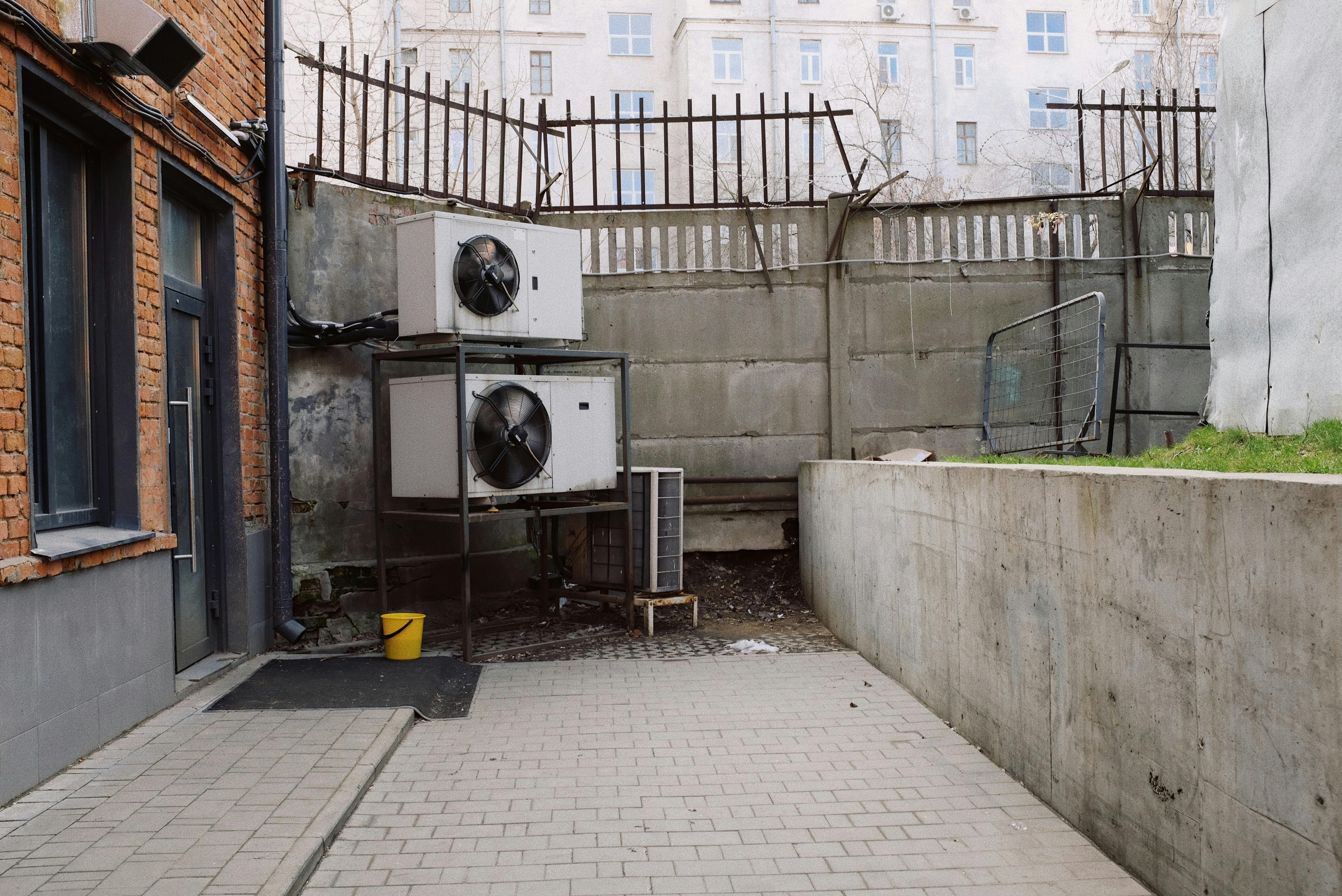
Air Conditioning Replacement in San Dimas, CA
Replacing an aging or inefficient air conditioner is one of the most effective ways to improve comfort, lower long-term energy costs, and avoid unexpected breakdowns—especially in San Dimas where hot, dry summers and occasional heat waves put a premium on reliable cooling. This page explains the signs you need an AC replacement, how to weigh repair versus replacement, high-efficiency upgrade options suited to local conditions, removal and disposal requirements, realistic timelines, energy savings projections, and incentive/financing avenues commonly available to San Dimas homeowners.
Signs you need an AC replacement in San Dimas
If your system shows any of these signs, replacement may be the more cost-effective, long-term solution than repeated repairs:
- Age over 10–15 years: Older systems lose efficiency, use phased-out refrigerants, and fail more often.
- Frequent or costly repairs: Multiple visits in a short period generally indicate the system is near end of life.
- Rising utility bills despite normal use: Declining efficiency often shows up as higher cooling costs during San Dimas summers.
- Poor comfort or inconsistent cooling: Weak airflow, trouble maintaining set temperature, or hot/cold rooms can mean oversized/undersized or failing equipment.
- Use of R-22 refrigerant: R-22 is being phased out and recharging an old system can be expensive and unsustainable.
- Excessive noise or visible corrosion: Outdoor unit rust, leaking, or loud compressor sounds point to major wear.
AC replacement vs repair: decision framework
When deciding between repair and replacement, consider these practical factors:
- Repair is reasonable when:
- The unit is relatively new and under warranty.
- The problem is isolated, inexpensive, and not likely to recur.
- Efficiency is still good and comfort needs are being met.
- Replacement is better when:
- The system is old (10+ years), uses obsolete refrigerant, or has had repeated failures.
- Repairs would be a large fraction of a new-system investment.
- You want lower operating costs, better humidity control, quieter operation, or home electrification (switching to heat pumps).
- In San Dimas, where cooling demand is seasonal but sometimes intense, a more efficient system can pay back faster through lower electricity use and improved comfort during heat events.
Recommended high-efficiency upgrade options
Upgrading offers more than lower bills. Common high-efficiency choices for San Dimas homes include:
- High-SEER central AC or heat pump systems: Modern units deliver substantially better efficiency; heat pumps also provide efficient heating for shoulder seasons.
- Variable-speed or two-stage compressors: Improve temperature consistency, humidity control, and reduce runtime cycles.
- Properly matched indoor coil and air handler: Ensures peak system performance and longevity.
- Duct sealing and airflow optimization: Leaky ducts are a major source of lost cooling in many houses; sealing and balancing improves comfort and lowers energy use.
- Smart thermostats and zoning: Allow precise control and reduce wasted cooling in unused areas.
- Advanced filtration and humidity control: Enhances indoor air quality and comfort during warmer months.
Removal, refrigerant recovery, and disposal
Replacement projects in California, including San Dimas, must follow environmental and safety standards:
- Refrigerant recovery: Technicians are required to capture and recycle refrigerant; releasing refrigerant is prohibited.
- Proper disposal and recycling: Old units contain metal, electronics, and refrigerant oil that must be processed through approved recycling streams.
- Permits and code compliance: Equipment changeouts may require a permit and must meet California energy codes (Title 24) and local municipal requirements.
- Documentation: Records of refrigerant recovery and permitted work are commonly provided for code compliance and future resale disclosure.
Typical project timeline
While each home is different, a standard replacement process in San Dimas generally follows these steps:
- On-site evaluation and load calculation: Confirms correct equipment size and any duct needs.
- Permit acquisition and equipment ordering: Permits and special-order models may add lead time.
- Removal and installation: Most straightforward replacements take one to two days on site; complex installs with ductwork upgrades can extend to several days.
- Testing, balancing, and final inspection: Ensures proper operation and code compliance.Overall, expect the full process from decision to completion to often range from a few days to a few weeks depending on permits and equipment availability.
Energy savings projections and incentives in San Dimas
Upgrading from an older, low-efficiency system to a modern high-SEER air conditioner or heat pump typically yields meaningful energy reductions. Typical outcomes:
- Efficiency gains: Replacing a very old unit with a modern high-efficiency system commonly reduces cooling energy use by a substantial percentage; integrated measures like variable-speed compressors, duct sealing, and intelligent controls increase savings and improve comfort.
- Comfort and peak demand benefits: High-efficiency equipment runs more effectively during peak San Dimas heat, reducing runtime and delivering steadier indoor temperatures.
Incentives and financing options often apply to high-efficiency HVAC upgrades:
- State and federal incentives: California programs and federal tax incentives periodically provide rebates or credits for qualifying heat pumps and high-efficiency HVAC equipment.
- Local utility rebates: Many homes in and around San Dimas are served by regional utilities that run rebate programs for efficient systems, duct upgrades, and smart thermostats.
- Financing options: Energy-efficient upgrades are frequently eligible for financing or on-bill/loan programs designed to spread cost over time and capture energy savings from day one.
Long-term benefits and maintenance advice
A proper replacement delivers more than immediate comfort:
- Lower operating costs and smoother performance over the life of the system.
- Improved indoor air quality and humidity control, important in Southern California’s varied seasonal humidity.
- Reduced risk of mid-summer failure and costly emergency repairs.To preserve performance:
- Schedule annual maintenance, timely filter changes, and periodic duct inspections.
- Use smart thermostats and efficient settings to maximize savings without sacrificing comfort.
Choosing the right replacement for an Air Conditioning Replacement in San Dimas, CA means matching system size, efficiency, and features to local climate needs and your household usage. Consider equipment efficiency, ductwork condition, and available local incentives when making a final decision to ensure the best long-term value and comfort for your San Dimas home.
Customer
Testimonials
Our customers consistently praise the exceptional service and professionalism of our team. They appreciate the honest advice, meticulous work, and the care taken to ensure their satisfaction.

.webp)
Service Areas
