

Air conditioning maintenance in La Habra Heights, CA provides recurring service agreements for homes and businesses to ensure reliable performance. Regular inspections address local climate challenges, and scheduled visits include thorough checks with documented performance to support warranty compliance. Customizable plans, easy enrollment, and practical tips for timing visits help improve indoor air quality, maximize energy efficiency, and protect long-term equipment value.

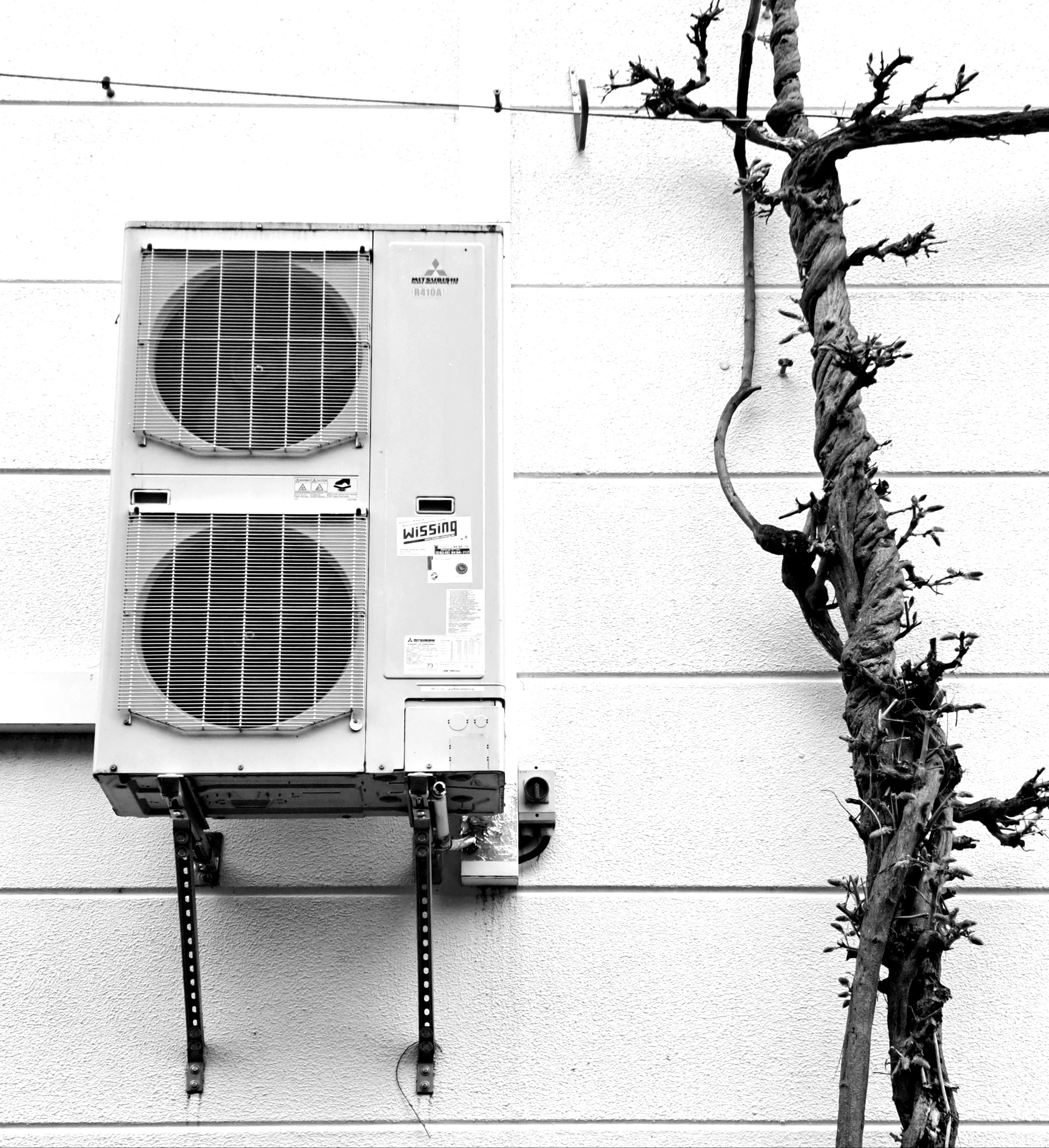
Air Conditioning Maintenance in La Habra Heights, CA
Keeping your air conditioning running efficiently and reliably is essential in La Habra Heights, where hot, dry summers, dusty Santa Ana winds, and occasional wildfire smoke place extra strain on HVAC systems. Regular, professional air conditioning maintenance in La Habra Heights, CA reduces energy costs, extends equipment life, and helps maintain manufacturer warranty compliance. Below is a clear, expert guide to recurring maintenance programs and service agreements tailored for both residential and commercial properties in this community.
Why recurring AC maintenance matters in La Habra Heights
- Local climate and topography increase airborne dust and debris that clog filters and coils faster than in coastal areas.
- Temperature swings between daytime heat and cooler nights add cycling stress to compressors and motors.
- Wildfire smoke and ash create indoor air quality concerns that benefit from professional inspection and filter management.
Routine maintenance addresses these local challenges before they cause failures or higher energy bills.
Common air conditioning maintenance issues in La Habra Heights
- Dirty condenser and evaporator coils reducing heat transfer and efficiency
- Clogged air filters and restricted airflow from dust and pollen accumulation
- Refrigerant leaks or low charge causing reduced cooling capacity and higher run times
- Worn electrical components (contactors, capacitors) leading to intermittent operation or hard starts
- Clogged condensate drains causing water damage or secondary system shutdowns
- Thermostat calibration drift or communication issues with modern smart thermostats
What a scheduled maintenance visit includes
Each scheduled visit in a recurring program follows a consistent inspection checklist and service routine so your system is documented and optimized every time.
Typical maintenance checklist and tasks:
- Visual inspection of indoor and outdoor equipment for physical damage, animal nests, and debris
- Replace or clean air filters; recommend MERV-rated filters when IAQ concerns require higher filtration
- Clean condenser and evaporator coils to restore heat-transfer efficiency
- Clear and flush condensate drain line; inspect drain pan for standing water and microbial growth
- Inspect and clean blower wheel and motor; measure airflow if needed
- Test electrical components: capacitors, contactors, relays, and connection tightness
- Measure motor amperage and line voltages to detect atypical draws that indicate wear
- Check refrigerant pressures and temperature split to detect leaks or charge imbalance
- Check thermostat accuracy and control operation; verify programming and communication with zoning or smart devices
- Inspect ductwork for obvious leaks, disconnected joints, or insulation issues (commercial: measure static pressure)
- Run system through a full cooling cycle and record performance metrics: supply/return temperatures, suction/discharge pressures, and run times
- Provide written service report with findings, measurements, recommended repairs, and parts status
Component testing and documentation
A quality service agreement includes more than visual checks. Testing during each visit provides baseline data to detect gradual decline:
- Electrical testing: voltage, amperage, and contactor function
- Mechanical checks: fan/shaft play, bearing condition, belt tension (if applicable)
- Refrigeration diagnostics: suction/discharge pressure and superheat/subcooling where applicable
- Safety device verification: high-pressure cutouts, float switches, and emergency shutoffs
All readings are recorded and compared visit-to-visit to identify trends and intervene before failures.
Cleaning scope included
Regular cleaning is a core element of maintenance:
- Coil cleaning (evaporator and condenser) to recover lost efficiency
- Blower and motor cleaning to maintain airflow and reduce noise
- Drain line and trap cleaning to prevent stoppages and mold growth
- Filter servicing or replacement based on plan frequency and IAQ needs
Benefits of routine maintenance
- Improved energy efficiency and lower utility costs through restored component performance
- Increased system reliability and fewer unexpected breakdowns during peak heat
- Extended equipment lifespan by preventing premature motor and compressor failures
- Warranty compliance: many manufacturers require documented annual maintenance from licensed technicians to maintain warranty coverage
- Better indoor air quality by managing filtration and removing contaminants from coils and drains
- Predictable budgeting with fewer emergency repair events and documented service history
Customizable plans for residential and commercial customers
Maintenance programs should match how equipment is used and local conditions. Typical plan variations include:
- Residential Basic Tune-Up: annual or biannual inspection focusing on filters, coils, and basic safety checks—good for lightly used systems in well-sealed homes
- Residential Comprehensive: biannual tune-ups with expanded diagnostics, priority scheduling windows, and IAQ add-ons (UV, advanced filtration) for homes affected by dust or smoke
- Commercial Preventive Maintenance: quarterly or semiannual visits designed for systems with high run-time, rooftop units, packaged systems, and ducted rooftop HVAC arrays; includes static pressure measurements and roof-top safety procedures
- Fleet/Fleet-Level Plans: for multi-property or multi-unit commercial clients, centralized reporting, scheduled block visits, and consistent parts management
Optional add-ons commonly offered: priority service windows, discounted repair labor, seasonal system start/stop, refrigerant leak monitoring, and indoor air quality assessments.
Typical enrollment and ongoing scheduling process
Enrollment in a recurring program is straightforward and designed to provide continuity of care:
- Select the plan type that matches your property type and usage (residential vs commercial) and desired frequency (annual, biannual, quarterly).
- Initial system assessment visit to baseline performance and identify immediate needs or deferred maintenance items. This visit documents current condition and sets benchmarks.
- Sign a service agreement outlining visit frequency, included tasks, recordkeeping, and any additional plan benefits such as priority windows or labor discounts.
- Schedule recurring visits on a seasonal calendar (common windows: preseason spring and post-summer fall), with appointment confirmations and reminders aligned to local peak periods.
- Each visit results in a written service report that tracks historical readings and recommendations, forming a maintenance history that supports warranty compliance and long-term asset management.
Practical tips for La Habra Heights homeowners and building managers
- Replace or clean filters more frequently during summer and after wildfire events. Higher-efficiency filters help with smoke but may require fan adjustments to maintain airflow.
- Keep at least two feet of clearance around outdoor condensers and remove leaves, grass clippings, and prickly pear debris common in hilly landscaping.
- Schedule at least one thorough preseason inspection before the hottest months to avoid mid-summer failures. Consider a second visit in fall for winter preparations.
- Document every maintenance visit to meet warranty requirements and to help prioritize deferred repairs based on trending measurements.
- Consider IAQ upgrades (UV lights, higher MERV filters, ERV/HRV systems) if smoke or allergens are frequent concerns in your area.
Regular, professional air conditioning maintenance in La Habra Heights, CA reduces energy use, prevents costly emergencies, and keeps systems compliant with warranty terms. A thoughtful, location-aware maintenance agreement tailored to your equipment and the local environment will protect comfort, indoor air quality, and long-term asset value.
Customer
Testimonials
Our customers consistently praise the exceptional service and professionalism of our team. They appreciate the honest advice, meticulous work, and the care taken to ensure their satisfaction.

.webp)
Service Areas
