

Air conditioning installation in La Habra Heights, CA provides tailored solutions for hillside homes, canyon winds, and wildfire-prone areas. Technicians install central systems, ductless mini-splits, or heat pumps, handling system selection, permitting, load calculations, duct sealing, refrigerant charging, and smart thermostat setup, with optional indoor air quality upgrades. Services include project timelines, post-installation checks, warranties, and maintenance guidance. By prioritizing Title 24 compliance and energy efficiency, installations deliver reliable comfort and long-term energy savings.

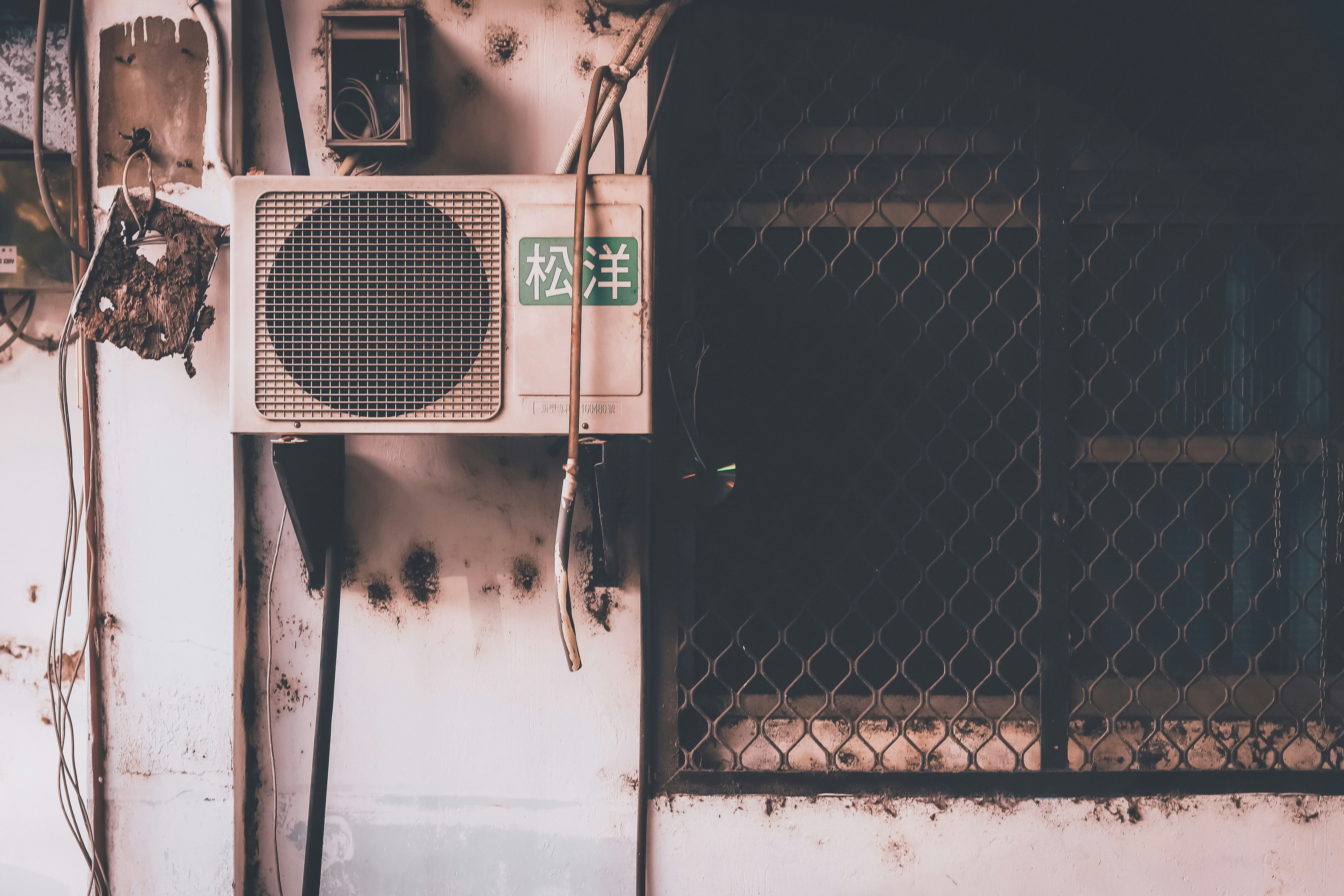
Air Conditioning Installation in La Habra Heights, CA
A proper air conditioning installation in La Habra Heights, CA ensures reliable comfort during hot, dry summers while addressing unique local conditions like hillside access, canyon winds, and seasonal wildfire smoke. Whether you are replacing an aging central system, adding ductless cooling to a legacy home, or installing a heat pump for year-round efficiency, a thorough, code-compliant installation protects comfort, indoor air quality, and long-term energy costs.
Why a tailored AC installation matters in La Habra Heights
- Local climate and elevation create larger temperature swings between night and day, increasing runtime and the importance of accurate sizing.
- Many homes are older or built on hillsides with limited outdoor access, making system selection and placement more complex.
- Seasonal wildfire smoke increases demand for high-quality filtration and sealed ductwork to maintain indoor air quality.
- California energy codes require compliance with Title 24 and influence equipment choices, efficiency ratings, and installation practices.
Common air conditioning installation types for La Habra Heights homes
- Central forced-air systems: Best for homes with existing ductwork. Modern variable-speed heat pumps offer high efficiency and quieter operation.
- Ductless mini-splits: Ideal for additions, historic homes without ducts, or rooms with access constraints. Provide zoned control and high efficiency.
- Packaged systems: Used for homes with limited mechanical space; can be heat pump or gas/electric combinations.
- Hybrid systems and heat pumps: Efficient for mild California winters and hot summers, reducing fossil fuel reliance.
Typical problems solved by a full installation
- Undersized or oversized systems causing short-cycling, poor humidity control, and premature wear.
- Leaky, poorly insulated ductwork reducing efficiency and bringing in outdoor smoke and dust.
- Outdated refrigerant types or failing compressors requiring modern replacements.
- Electrical service limitations that prevent safe operation of modern high-efficiency units.
- Poorly located outdoor units exposed to debris, restricted airflow, or noise concerns on tight hillside lots.
The installation process, step by step
- Initial site assessment and load calculation
- A technician evaluates home orientation, insulation levels, windows, occupancy, and unique factors like canyon breezes and solar exposure.
- A Manual J load calculation determines the correct cooling capacity. This prevents common issues from improper sizing and ensures comfort and humidity control.
- Equipment selection
- Equipment is chosen based on calculated load, ductwork condition, efficiency goals, and space constraints.
- Options discussed typically include SEER and HSPF ratings, inverter-driven compressors, variable-speed blowers, and whether a ductless mini-split is more appropriate for specific rooms.
- Indoor air quality enhancements such as MERV 13+ filters, higher-efficiency media filters, and UV germicidal options can be integrated to reduce smoke and allergens.
- Permitting and code compliance
- Installations must meet local building codes and state regulations, including California Title 24 energy compliance where applicable.
- Required permits are pulled and inspections scheduled before and after installation to verify safety and code adherence.
- Professional installation steps
- Preparation of the equipment pad or platform, mindful of slope and drainage for hillside properties.
- Electrical service upgrades if needed, including disconnects and appropriate breaker sizing.
- Ductwork repair, sealing, and insulation to stop leaks and improve pressure balance.
- Refrigerant line installation, evacuation, and proper charge using manufacturer specifications.
- Thermostat wiring and installation; options include smart thermostats and zoning controls for better efficiency.
- Final system start-up, safety checks, and commissioning.
- Expected timeline
- Simple replacement of a like-for-like central unit: typically 1 to 2 days.
- New central system with ductwork repairs or insulation: 2 to 5 days depending on scope.
- Ductless mini-split installation for one or two zones: often completed in 1 day; whole-house multi-zone systems may take 2 to 3 days.
- Permit processing and final inspection timelines vary by jurisdiction and can add days to a couple of weeks to the overall schedule.
Post-installation testing and cleanup
- Performance testing verifies correct refrigerant charge, airflow, static pressure, and compressor operation. Thermostat calibration and cycle checks confirm comfort targets.
- Safety checks include verifying electrical connections, proper condensate drainage, and pressure relief components.
- Indoor air quality verification ensures filters are installed correctly and duct sealing is effective, reducing infiltration of smoke and dust.
- Thorough cleanup of work areas and removal of old equipment is performed, taking care to leave the home in move-in condition.
Warranties and documentation
- New equipment typically carries a manufacturer warranty for parts and a compressor warranty. Labor warranties for installation work are separate and should be documented.
- System registration with the manufacturer may be required to activate extended warranties.
- A complete installation file should be provided, detailing the Manual J calculation, equipment specifications, permit documents, and maintenance recommendations.
Long-term benefits and maintenance advice
- Correctly sized, code-compliant systems deliver better humidity control, lower energy bills, and longer equipment life.
- High-efficiency systems and properly sealed ductwork improve comfort on hot La Habra Heights afternoons and during smoky events by filtering and reducing outdoor air leakage.
- Regular maintenance extends service life: seasonal filter changes, annual tune-ups, inspection of condensate lines, and periodic duct inspections.
- Consider upgrades such as programmable or smart thermostats, zoning for unevenly heated homes, and high-efficiency filtration when replacing an old system.
Common installation considerations unique to La Habra Heights
- Accessibility and terrain may require special equipment placement or routing, longer refrigerant lines, or additional support for outdoor units.
- Noise and neighbor visibility concerns often influence condenser placement and sound-reduction options.
- Wildfire season elevates the importance of sealed systems and high-quality filtration to protect indoor air quality.
A well-executed air conditioning installation in La Habra Heights, CA addresses local climate and site challenges while meeting code requirements and performance expectations. With careful assessment, the right equipment selection, and professional execution, your home gains dependable cooling, improved indoor air quality, and long-term energy savings.
Customer
Testimonials
Our customers consistently praise the exceptional service and professionalism of our team. They appreciate the honest advice, meticulous work, and the care taken to ensure their satisfaction.

.webp)
Service Areas
