

Air conditioning maintenance programs in Irvine, CA provide regular service to protect systems in a climate with long hot seasons, dust, and coastal exposure. Technicians address common issues such as restricted airflow, refrigerant problems, condensate clogs, and sensor miscalibration through thorough inspections, cleaning, testing, and documented reporting. Programs include service agreements, performance tracking, and recommended visit schedules, helping Irvine homeowners and property managers maintain reliable, efficient cooling and extend equipment life.

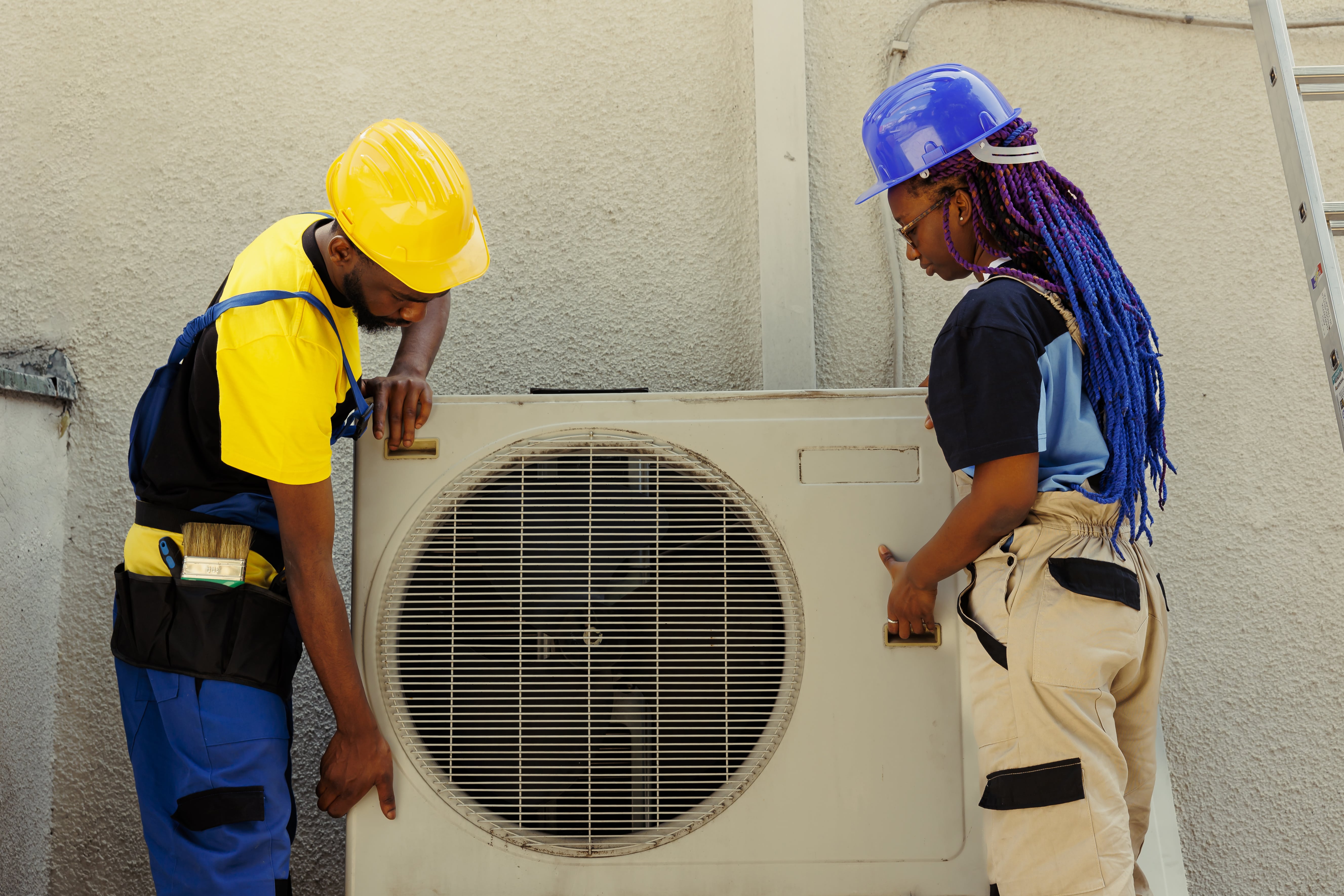
Air Conditioning Maintenance in Irvine, CA
Keeping your air conditioning running reliably and efficiently matters in Irvine. With warm Mediterranean summers, periods of elevated heat, and occasional dry, dusty Santa Ana winds, homes and businesses here place high demand on HVAC systems. Regular, professional air conditioning maintenance in Irvine, CA protects comfort, reduces energy use, and extends equipment life. This page explains what a preventative maintenance program looks like, common local issues, what technicians inspect and test, how service agreements work, and the measurable benefits you can expect.
Why scheduled air conditioning maintenance is essential in Irvine, CA
Irvine’s climate puts air conditioners to work for long stretches each year. Systems that go unmaintained suffer reduced airflow, lower efficiency, and accelerated component wear. Maintenance helps by:
- Restoring peak performance before high-use seasons.
- Preventing dust and debris buildup after windy, dry periods.
- Identifying small failures early to avoid costly emergency repairs.
- Maintaining manufacturer warranty requirements that often require documented maintenance.
- Reducing monthly cooling costs by improving efficiency, which matters given SoCal energy rates.
Common air conditioning issues in Irvine homes
Understanding typical failures helps explain what maintenance resolves:
- Reduced airflow from clogged filters and dirty coils, common after dusty Santa Ana wind events.
- Refrigerant loss or improper charge, causing long run times and poor cooling.
- Condensate drain clogs leading to water damage or microbial growth.
- Thermostat miscalibration causing temperature swings and overcooling.
- Worn belts, bearings, and electrical connections from long, continuous operation.
- Corrosion or buildup on outdoor coils in coastal-adjacent neighborhoods that can reduce heat transfer.
What a preventative maintenance plan includes
A comprehensive maintenance program focuses on inspections, cleaning, tuning, and documentation. Typical included services:
- Regular inspections of indoor and outdoor units, ductwork accessibility, and system controls.
- Air filter assessment and replacement on a defined schedule or as-needed; recommendations based on filter type and indoor air quality needs.
- Condenser and evaporator coil cleaning to restore heat transfer efficiency.
- Refrigerant level check and leak inspection; reporting of any charge variance.
- Blower motor and wheel inspection, lubrication where applicable, and airflow testing.
- Electrical connection tightening, safety control checks, and contactor inspection.
- Thermostat calibration and setback schedule verification for optimal performance.
- Condensate drain cleaning and treatment to prevent clogs and biological growth.
- System performance testing including amperage, pressures, and temperature split to verify efficiency.
- Duct inspection for visible leaks and recommendations for sealing or balancing.
- Seasonal tune-ups timed before peak cooling months for Irvine.
- Detailed service reporting and system health tracking after each visit.
How technicians diagnose and document system health
Professional maintenance teams follow a consistent diagnostic process so you get reliable, actionable information:
- Visual walkthrough of system components and surrounding areas for debris or airflow obstructions.
- Filter and coil inspection with cleaning or replacement as needed.
- Instrumented performance testing: measuring airflow, temperature differentials, refrigerant pressure, and electrical draw.
- Safety checks on controls, condensate handling, and system cutouts.
- Recording baseline data and any anomalies in a service report.
- Prioritizing immediate repairs versus recommended future upgrades and estimating expected impact on efficiency and runtime.
Service reports typically show the current condition, parts replaced, recommended next steps, and an estimated timeline for major component replacement based on observed wear and typical lifespan.
Service agreement terms and what they mean
A maintenance agreement formalizes preventative care and priority benefits. Key elements you can expect:
- Frequency: Most Irvine-focused plans include at least one pre-summer tune-up; many opt for biannual visits (spring and fall) for year-round reliability.
- Scope: A clear list of included tasks such as inspections, filter replacements on a set schedule, coil cleanings, and performance testing.
- Priority scheduling: Agreement holders receive expedited service windows during peak season and preferential appointment times.
- Parts and labor terms: Agreements specify which repairs are covered or discounted and which are billable; routine maintenance tasks are included while part replacements are typically billed separately.
- Recordkeeping: Documented service history and performance logs to support warranty compliance and future service decisions.
- Enrollment and renewal: Agreements usually run for a set term with renewal options; terms outline notification intervals for renewal and how changes to coverage are handled.
Tracking and reporting of system health
Ongoing maintenance programs provide more than tune-ups. They create a longitudinal view of system performance:
- Service logs that show trends in efficiency, run times, and recurring issues.
- Recommendations for phased improvements, such as upgrading to a higher-efficiency condenser or replacing a failing compressor before catastrophic failure.
- Alerts when performance metrics exceed predefined thresholds indicating imminent failure.
- Documentation to support warranty claims and better resale value for the property.
Benefits you will see from regular maintenance
Investing in preventative AC care delivers measurable returns:
- Lower operating costs from improved efficiency and reduced runtime.
- Fewer emergency repairs and predictable maintenance expenses.
- Extended equipment lifespan, delaying major replacement costs.
- More consistent, comfortable indoor temperatures with faster recovery after peak load periods.
- Improved indoor air quality through consistent filter changes and coil cleanliness.
- Priority service and documented maintenance to maintain warranty and property value.
Recommended maintenance schedule for Irvine homes
- Filter checks: every 1 to 3 months depending on filter type, occupancy, and indoor air quality needs.
- Full system tune-up: annually at minimum, with spring prep prior to the hottest months. Biannual visits (spring and fall) provide the best protection and efficiency.
- Immediate inspection after extended dusty conditions or heavy-use periods to clear debris and prevent wear.
Final considerations
For Irvine residents and property managers, an organized air conditioning maintenance program provides predictable comfort, cost savings, and peace of mind. A high-quality preventative plan combines thorough inspections, performance testing, documented reporting, and priority service to keep systems running efficiently through Irvine summers and the region’s seasonal air quality challenges. Regular maintenance not only reduces monthly bills but also protects the long-term value of your HVAC investment and helps ensure reliable cooling when you need it most.
Customer
Testimonials
Our customers consistently praise the exceptional service and professionalism of our team. They appreciate the honest advice, meticulous work, and the care taken to ensure their satisfaction.

.webp)
Service Areas
