

Air conditioning installation in Irvine, CA provides a complete, professional process from on-site assessment to post-install commissioning. Services include load calculations, equipment selection, ductwork and zoning considerations, permitting, scheduling, and warranty documentation, with attention to California Title 24 compliance and local climate conditions. Proper sizing, energy-efficient systems, and thorough testing ensure reliable comfort, indoor air quality, and long-term performance for both new installations and system upgrades in coastal and inland Irvine homes

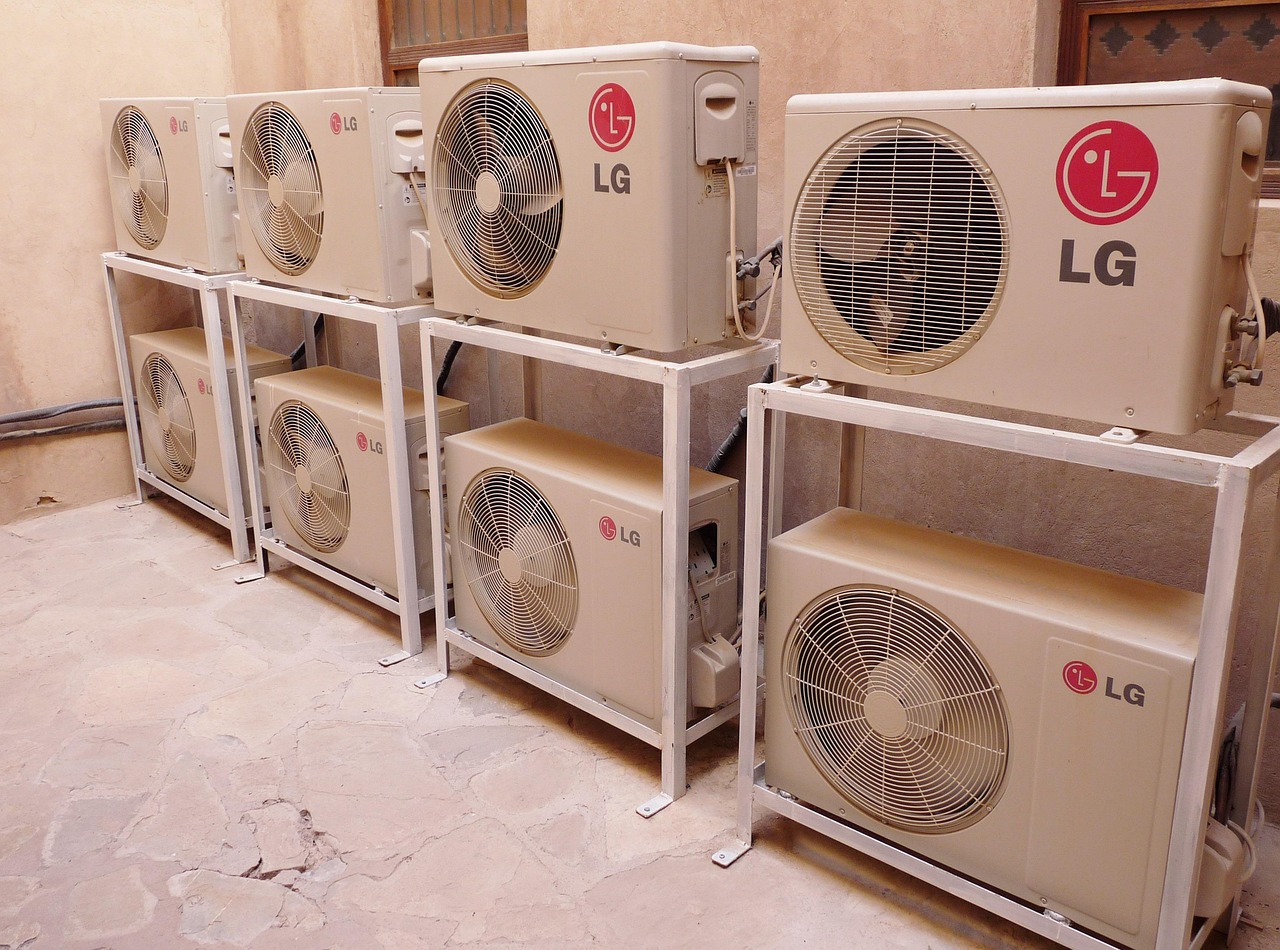
Air Conditioning Installation in Irvine, CA
Installing a new air conditioning system is a major decision for Irvine homeowners. With warm, sun-drenched summers, inland heat spikes, and coastal humidity changes, the right AC system improves comfort, indoor air quality, and energy costs. This page outlines the full air conditioning installation process in Irvine, CA, including on-site assessment and load calculations, equipment selection, ductwork and zoning considerations, permitting and compliance, installation timeline, post-install testing and commissioning, warranty coverage, and financing options tailored to local needs.
Why proper installation matters in Irvine homes
Improper sizing or installation reduces comfort, shortens equipment life, increases energy bills, and can create humidity problems common in Southern California. In Irvine, where energy efficiency standards are strict and cooling load patterns change between coastal and inland neighborhoods, a professionally engineered installation ensures reliable performance and compliance with California codes.
Common air conditioning installation issues in Irvine, CA
- Oversized or undersized systems that short cycle or struggle during heat waves
- Poorly sealed or undersized ductwork causing pressure imbalance and hot spots
- Inadequate refrigerant charge or improper airflow leading to inefficiency
- Neglected permitting and noncompliance with California Title 24 energy requirements
- Mismatched components (indoor and outdoor units) reducing warranty validityUnderstanding these common problems helps prioritize a methodical installation process.
On-site assessment and load calculations
Every quality installation begins with an on-site assessment. This includes:
- Evaluating the home layout, orientation, insulation levels, window types, and attic ventilation
- Inspecting existing ductwork, electrical capacity, and available condensate drainage
- Performing load calculations using industry-standard methods such as Manual J to determine accurate cooling and heating loads
Accurate load calculations are essential in Irvine because local microclimates can change the expected load. Proper assessment prevents oversizing in coastal zones and ensures adequate capacity in hotter inland pockets.
System and equipment selection: efficiency ratings and sizing
Choosing the right system balances comfort, efficiency, and long-term cost of ownership. Key considerations:
- Efficiency ratings: SEER and SEER2 ratings determine seasonal cooling efficiency. Higher ratings deliver lower operating costs, especially valuable in Irvine where cooling is used heavily in summer.
- Sizing: Match equipment capacity to calculated loads. Avoid the common mistake of selecting a larger unit solely on square footage.
- Technology options: Consider variable-speed compressors, two-stage systems, or heat pumps for improved humidity control and part-load efficiency.
- Indoor-outdoor compatibility: Ensure matched components for optimal performance and to preserve manufacturer warranties.
Selecting equipment that meets or exceeds California energy requirements, including Title 24 where applicable, helps reduce energy consumption and may affect permit approvals.
Ductwork and zoning considerations
Duct condition and zoning significantly affect comfort and efficiency.
- Duct evaluation: Check for leaks, insulation gaps, undersized runs, or poor return-air pathways. Sealing and properly insulating ducts can yield measurable energy savings.
- Duct replacement or modification: Older Irvine homes may require partial or full duct redesign to support modern systems and airflow requirements.
- Zoning: Multi-zone systems or motorized dampers provide personalized comfort for different areas, reducing wasted cooling in unused spaces. Zoning is especially useful in Irvine homes with multiple stories or rooms with varied sun exposure.
Permitting and code compliance in Irvine, CA
Permits and inspections are required for most AC installations in Irvine. Typical requirements include:
- Building and mechanical permits from the City of Irvine or local jurisdiction
- Compliance with California Title 24 energy efficiency standards
- Proper documentation of equipment efficiency ratings and installation details for inspectionFollowing local permit procedures avoids compliance issues during resale and ensures installations meet safety and efficiency standards.
Typical installation timeline
Installation timelines vary by project complexity, but a standard residential process often follows:
- Initial assessment and load calculation: 1 to 3 days
- Equipment selection and permitting: several days to 2 weeks depending on permit processing
- Installation day(s): 1 to 3 days for standard split-system installs; longer if ductwork or electrical upgrades are needed
- Post-install commissioning and final inspection: 1 to 2 days
Projects involving major duct modifications, structural work, or HOA approvals will extend timelines. Scheduling installations before peak summer demand helps avoid delays.
Post-install testing and commissioning
Thorough testing and commissioning validate performance and identify adjustments:
- Verify refrigerant charge, airflow, and electrical connections
- Test thermostat calibration, zoning controls, and safety devices
- Measure temperature differentials and system efficiency at operating conditions
- Confirm proper condensate drainage and clearancesA comprehensive commissioning report documents system settings and will be needed for warranty validation and future service.
Warranty coverage and documentation
New systems come with manufacturer warranties that typically cover compressors, coils, and parts for set periods. Important points:
- Understand conditional warranties that require professional installation and regular maintenance
- Retain invoices, commissioning reports, and permit documentation to support warranty claims
- Consider extended parts and labor coverage options from installers or third-party providers
Proper installation and documented maintenance help preserve warranty coverage and extend equipment life.
Financing options and cost considerations
Several financing paths can make equipment upgrades accessible without compromising quality:
- Traditional financing through lenders or credit programs for home improvements
- Energy efficiency financing or on-bill financing options that may be compatible with local programs
- Manufacturer or dealer financing plans for specific HVAC models
When evaluating options, compare interest rates, terms, and the total lifetime cost including projected energy savings from higher efficiency equipment.
Maintenance advice and long-term benefits
Regular maintenance maximizes system lifespan and efficiency. Recommended practices:
- Annual professional tune-ups including filter changes, coil cleaning, and refrigerant checks
- Seasonal filter replacement and keeping outdoor units clear of debris
- Monitoring energy use and indoor comfort for early detection of issues
A correctly sized and installed system improves comfort, reduces energy bills, controls humidity, and increases indoor air quality — benefits well suited to the Southern California climate and Irvine lifestyles.
Customer
Testimonials
Our customers consistently praise the exceptional service and professionalism of our team. They appreciate the honest advice, meticulous work, and the care taken to ensure their satisfaction.

.webp)
Service Areas
