

Ventilation in West Hollywood, CA

West Hollywood, California requires tailored, code aware ventilation for homes and commercial spaces. The page explains how tight, aged buildings trap pollutants and humidity and outlines three core approaches: exhaust, supply, and balanced ventilation, along with ERV and HRV options. A practical design process covers site assessment, load calculations, system selection, filtration, and ductwork. It highlights installation priorities, energy and health benefits, and ongoing maintenance to ensure Title 24 compliance and reliable indoor air quality, supporting long term performance too.
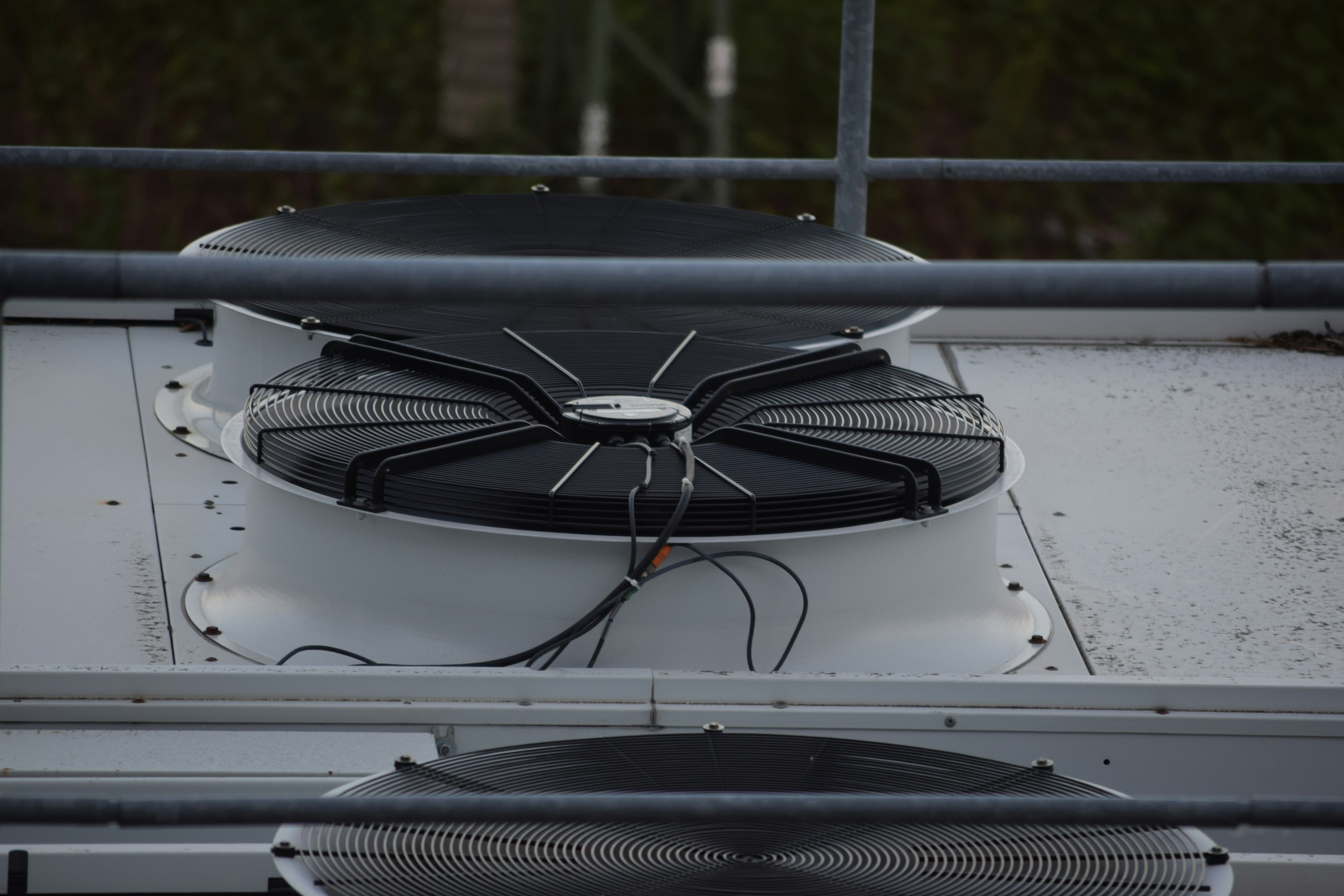
Ventilation in West Hollywood, CA
Proper ventilation is essential for healthy, comfortable homes and commercial buildings in West Hollywood, CA. With warm Mediterranean summers, mild winters, and periodic wildfire smoke and elevated ozone days, indoor air quality can quickly degrade without the right mechanical ventilation. Whether you manage a multiunit building, a restaurant, or a single-family home, tailored ventilation solutions control moisture, reduce pollutants, and ensure compliance with California energy and health codes.
Why ventilation matters in West Hollywood
West Hollywood's dense urban neighborhoods and mixed building stock mean many properties are tightly sealed or older buildings with outdated systems. Tight construction reduces natural air exchange, trapping indoor pollutants like VOCs, cooking smoke, excess humidity, and wildfire particulates. Proper mechanical ventilation:
- Lowers indoor pollutant concentrations to protect occupants and sensitive groups
- Controls humidity to prevent mold growth in bathrooms and kitchens
- Helps meet California Title 24 and local ventilation standards for new and altered spaces
- Improves thermal comfort while minimizing energy penalties when using the right system
Common ventilation issues in West Hollywood homes and businesses
Residents and building managers frequently encounter:
- Stale air and persistent odors in densely occupied apartments
- Excess moisture and intermittent mold in bathrooms and laundry areas
- Visible smoke infiltration during wildfire events
- Overworked HVAC systems trying to address ventilation needs
- Noncompliant or undersized ventilation that fails Title 24 or local code requirements
Types of mechanical ventilation and which to choose
Understanding the three basic mechanical ventilation approaches helps choose the right solution for your property:
- Exhaust ventilation: Removes indoor air and relies on passive makeup air. Effective for localized source control like bathrooms and kitchens. Best when paired with controlled supply for larger or tightly sealed buildings.
- Supply ventilation: Actively introduces filtered outdoor air under positive pressure. Useful when outdoor air quality is generally good and the goal is to pressurize a space to keep pollutants out.
- Balanced ventilation: Simultaneously supplies and exhausts equal volumes of air. The most versatile solution for better indoor air quality control in homes and commercial spaces.
For households and businesses in West Hollywood, balanced systems with heat or energy recovery often provide the best balance of indoor air quality and energy efficiency.
ERV and HRV: energy-smart options for West Hollywood
Energy Recovery Ventilators (ERV) and Heat Recovery Ventilators (HRV) transfer heat and, in ERVs, moisture between incoming and outgoing air streams to reduce the HVAC load:
- HRV transfers sensible heat to preserve thermal comfort in winter and reduce heating demand.
- ERV transfers both sensible heat and latent moisture, helping control humidity in coastal and Mediterranean climates like West Hollywood.
During warm months or wildfire smoke events, an ERV with high-efficiency filtration can bring in cleaner outdoor air with minimal energy penalty. For mixed-use buildings or tight homes, ERV/HRV systems improve indoor air quality while keeping energy consumption down.
Assessment and design process for ventilation upgrades
A practical, code-aware approach to ventilation in West Hollywood typically follows these steps:
- Site assessment: Inspect building envelope, existing HVAC, occupancy patterns, and local pollutant sources. Measure airflow, humidity, and—when needed—particulate and VOC levels.
- Load and ventilation calculations: Apply Title 24 ventilation rates and ASHRAE recommended rates to determine required outdoor airflow per space type.
- System selection: Choose exhaust, supply, balanced, ERV, or HRV based on building tightness, outdoor air quality concerns, and energy goals.
- Filtration and controls design: Specify MERV or HEPA filtration where smoke and allergens are concerns; design controls for demand-controlled ventilation and integration with existing HVAC.
- Ductwork and distribution planning: Map supply and exhaust routes, balancing dampers, and make-up air pathways to ensure even distribution and pressurization control.
This design process ensures systems meet regulatory requirements like Title 24 and are sized correctly for both performance and energy compliance.
Installation and ductwork considerations
Correct installation is as important as proper design. Key considerations for West Hollywood projects:
- Location of outdoor intakes: Avoid intakes near parking lots, exhaust stacks, or prevailing traffic and away from known local pollution sources.
- Duct sealing and insulation: Proper sealing prevents energy loss and cross-contamination; insulation reduces condensation risk in humid zones.
- Noise control: Use low-noise fans, vibration isolation, and duct silencers in apartments and office spaces to meet occupant comfort expectations.
- Access and space constraints: Many West Hollywood properties have tight mechanical spaces; modular ERV/HRV units or rooftop solutions are common where interior space is limited.
- Integration with existing HVAC: Ensure controls coordinate with heating and cooling systems to prevent simultaneous conflicting operations.
Energy and health benefits
Upgrading ventilation delivers measurable advantages:
- Better indoor air quality reduces respiratory triggers, allergies, and odor complaints.
- ERV/HRV and balanced systems minimize heating and cooling penalties compared with uncontrolled ventilation.
- Demand-controlled ventilation lowers energy use by adjusting outdoor air intake to occupancy or CO2 levels.
- Proper ventilation reduces mold risk and associated repair costs, which is particularly important in West Hollywood where moisture problems can develop in older buildings.
Maintenance and long-term compliance
Routine maintenance preserves system performance and helps maintain code compliance:
- Inspect and replace filters regularly; upgrade to higher MERV ratings during wildfire periods if outdoor intakes remain open.
- Clean ERV/HRV cores annually and check condensate drains and pans to prevent microbial growth.
- Test and balance ventilation airflow periodically, especially after renovations or changes in occupancy.
- Keep records of ventilation rates, maintenance, and control calibrations to demonstrate compliance with local and Title 24 requirements.
Regulatory and code considerations in West Hollywood
California Title 24 and local building codes dictate ventilation requirements for new construction and significant alterations. Key points for West Hollywood properties:
- Ventilation rates must meet prescribed values by space type and occupancy; consult updated Title 24 tables during design.
- Energy recovery is encouraged to offset ventilation energy penalties, and ERV/HRV selection can support compliance strategies.
- Mechanical ventilation installations often require permits and field verification; documentation during design and after installation is commonly required.
Choosing the correct ventilation approach for West Hollywood homes and commercial buildings reduces long-term operating costs and health risks while ensuring regulatory compliance. With tailored assessment, appropriate ERV/HRV or balanced ventilation, careful installation, and planned maintenance, properties can achieve reliable indoor air quality even during heat waves or smoke events common in the region.
Customer
Testimonials
Our customers consistently praise the exceptional service and professionalism of our team. They appreciate the honest advice, meticulous work, and the care taken to ensure their satisfaction.

.webp)
Service Areas
