

Thermostat Repair in West Hollywood, CA

Thermostat repair services in West Hollywood provide expert diagnostics and dependable solutions to restore comfort, accuracy, and energy efficiency in all types of properties—from vintage apartments to modern condos. Common problems include display malfunctions, incorrect temperature readings, short cycling, wiring issues, and connectivity failures. Professional technicians perform detailed evaluations involving power testing, wiring verification, sensor inspection, and smart device diagnostics to identify the source of the issue. Services include repair or recalibration, smart thermostat setup, transparent pricing, and warranty coverage. Homeowners also receive maintenance tips and guidance on whether repair or replacement offers the best long-term efficiency and reliability.
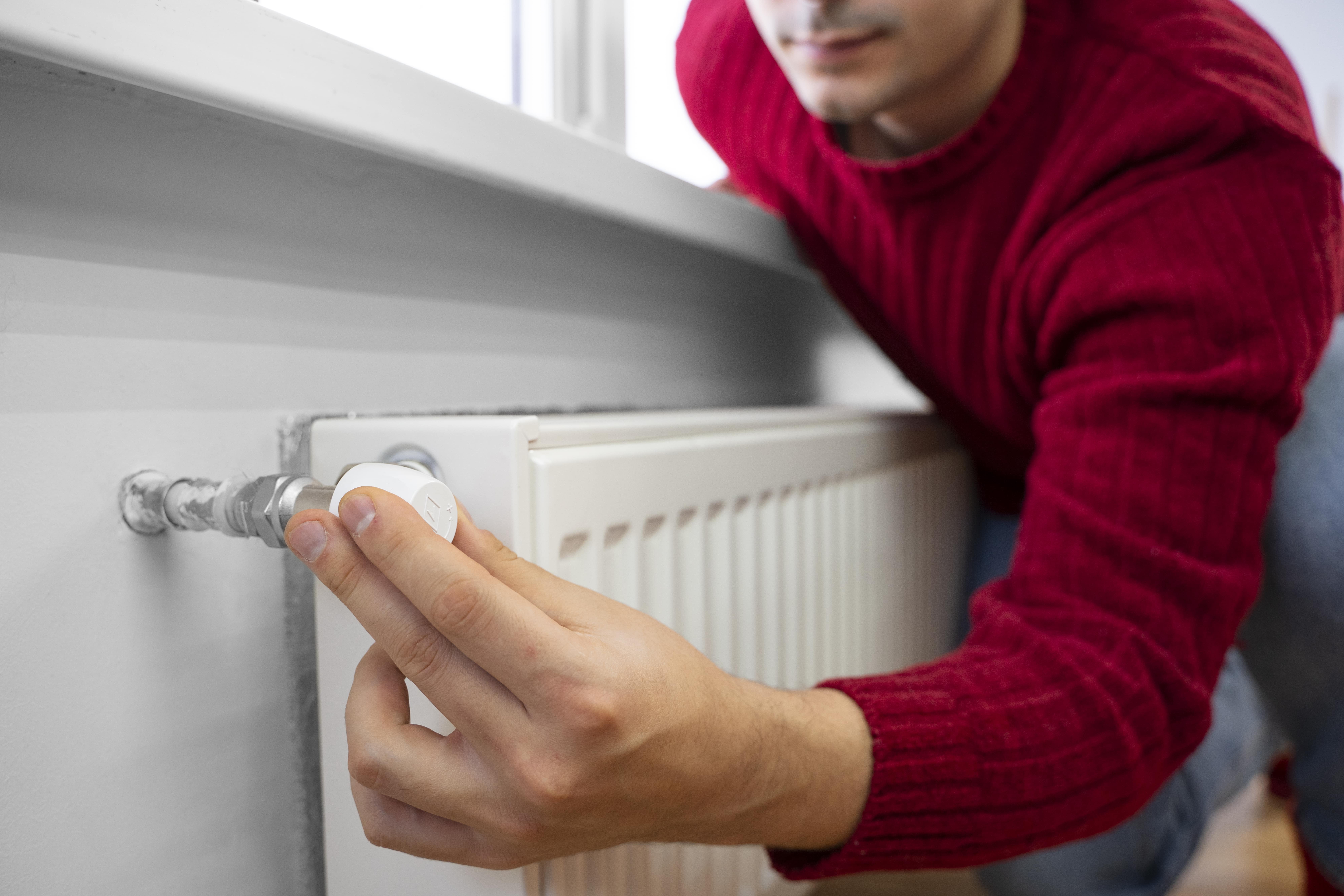
Thermostat Repair in West Hollywood, CA
Keeping your thermostat accurate and reliable is essential for comfort and energy savings in West Hollywood, CA. With warm summers, mild winters, and a mix of older apartments, multi-unit buildings, and modern condos, thermostat failures can cause uneven temperatures, higher bills, and unnecessary wear on HVAC systems. This page explains common thermostat problems in West Hollywood homes, how qualified technicians diagnose and repair them, what to expect during sensor replacement, calibration, and wiring repairs, and how to decide between repairing or replacing your thermostat.
Why thermostat performance matters in West Hollywood
West Hollywood’s Mediterranean climate means many homes run air conditioning for extended periods during the year. Buildings near the Hollywood Hills or Sunset Strip may experience microclimates and heat pockets that put extra demands on thermostats and HVAC systems. Older buildings often have legacy wiring or aging components that increase the risk of wiring faults and inaccurate temperature readings. Accurate thermostat operation improves comfort, reduces energy costs, and extends the life of heating and cooling equipment.
Common thermostat problems in West Hollywood homes
- Display errors or blank screen: The thermostat screen is unresponsive or shows garbled characters. Often caused by dead batteries, loose connections, or a failing display module.
- Inaccurate temperature reading: Room feels hotter or cooler than the thermostat indicates. Causes include dirty sensors, poor thermostat placement (sunlight or drafts), or calibration drift.
- HVAC cycles too frequently or not at all: Short cycling or system not turning on. May result from incorrect settings, faulty thermostat relays, or wiring issues.
- Wiring faults: Loose, corroded, or incorrectly labeled wires can prevent proper communication between the thermostat and HVAC system, particularly in older West Hollywood properties with legacy wiring.
- Connectivity and smart thermostat issues: Wi-Fi dropouts, firmware problems, or compatibility issues with older HVAC systems.
- Sensor failures: Internal sensors degrade over time, giving inconsistent temperature readings or erratic system behavior.
Diagnostic process: what a technician checks
Technicians follow a systematic diagnostic process to identify faults quickly and accurately:
- Visual and power inspection
- Check display, batteries, and power source (24V common wire or batteries).
- Inspect mounting, enclosure, and signs of water damage or overheating.
- System and wiring verification
- Confirm wire labels and continuity with a multimeter.
- Inspect the control board in the furnace or air handler for corrosion or damaged terminals.
- Test voltage and signal integrity to ensure proper communication.
- Sensor and environment assessment
- Verify thermostat location for sunlight, drafts, or nearby appliances that skew readings.
- Test internal temperature sensor against a calibrated thermometer.
- Software and connectivity checks (smart thermostats)
- Review firmware versions, reset network settings if needed, and check compatibility with HVAC equipment.
- Functional tests
- Command heating and cooling cycles, monitor relay responses, and observe system behavior under load.
Typical repair procedures
- Battery replacement and display fixes
- Replace batteries and clean contacts. If the display module is faulty, technicians may repair connections or recommend replacement components.
- Sensor replacement and calibration
- Replace internal or external sensors when readings are outside acceptable tolerance. Calibrate the thermostat to align reported temperature with actual room conditions.
- Wiring repairs and terminal tighten
- Re-secure, strip and re-terminate wires, replace corroded terminals, and label wires correctly. For multi-unit buildings, isolate and test shared wiring issues.
- Relay and circuit repairs
- Replace malfunctioning relays or repair control circuits that fail to send proper signals to the HVAC equipment.
- Smart thermostat setup and firmware updates
- Reconfigure Wi-Fi, install firmware updates, and ensure proper integration with HVAC systems and any home automation platforms.
Troubleshooting tips you can try before service
- Check and replace thermostat batteries if the display is dim or unresponsive.
- Verify thermostat mode (heat, cool, auto) and setpoint settings are correct.
- Ensure vents and returns are unblocked and that no heat-producing devices are near the thermostat.
- For smart thermostats, power-cycle the device and router to resolve temporary connectivity issues.
- If the thermostat shows an obvious wiring problem (loose wires or exposed copper), turn off power at the breaker before inspecting further.
Repair vs replacement: how to decide
Consider repair if:
- The problem is isolated (dead batteries, loose wiring, a faulty relay) and the thermostat is otherwise functional.
- The thermostat is relatively new, supports current HVAC functions, and can be recalibrated or repaired economically.
Consider replacement if:
- The thermostat is older and lacks features needed for efficient operation, such as a common wire for smart thermostats.
- Multiple failures occur or repair costs approach the value of a modern, more reliable unit.
- You want improved energy management, zoning controls, or integration with home automation.
Technicians often recommend a replacement when recurring faults are caused by obsolete electronics, frequent connectivity problems, or when calibration cannot correct persistent inaccuracies.
Service response times and pricing structure
Most West Hollywood service providers offer scheduled appointment windows to fit local schedules and building access rules. Typical response options include:
- Same-day diagnostic visits when availability permits.
- Next-business-day appointments for non-emergency diagnostics.
- Priority service for HVAC systems that affect safety or critical comfort needs.
Pricing is commonly structured with a diagnostic fee that covers inspection, testing, and a clear repair estimate. Repairs are billed as parts plus labor. For replacements, expect a combined cost for the new thermostat and installation labor. Estimates and clear explanations of work needed are provided before any major repairs or replacements proceed.
Service guarantees and workmanship expectations
Reliable thermostat repair services typically offer:
- A workmanship warranty covering labor for a defined period after repair.
- Manufacturer warranties for replacement parts or new thermostats.
- Clear documentation of repairs performed, parts used, and aftercare recommendations.
These guarantees protect against early failures and provide reassurance that repairs are done to industry standards.
Maintenance and prevention tips
- Replace batteries annually or when low-battery alerts appear.
- Keep thermostats clean and free of dust; avoid placing them near heat sources or in direct sunlight.
- Schedule periodic HVAC inspections to catch issues that can affect thermostat performance.
- Upgrade wiring in older homes when planning a smart thermostat installation to ensure stable power and connectivity.
Thermostat issues in West Hollywood range from simple battery changes to complex wiring and sensor failures. Proper diagnosis, timely repair, and informed decisions about repair versus replacement keep your home comfortable year-round and help control energy use in a climate where efficient cooling and heating matter.
Customer
Testimonials
Our customers consistently praise the exceptional service and professionalism of our team. They appreciate the honest advice, meticulous work, and the care taken to ensure their satisfaction.

.webp)
Service Areas
