

Ventilation in Simi Valley, CA

Comprehensive ventilation services in Simi Valley, CA improve indoor air quality, comfort, and energy efficiency while addressing local challenges like wildfire smoke, dry air, and moisture. Services include whole-home assessments, ERV/HRV and balanced systems, exhaust and fresh-air installations, and duct optimization. Technicians test, balance, and seal systems to prevent leaks and ensure proper airflow. Regular maintenance and performance checks help protect against pollutants, humidity issues, and long-term damage, keeping Simi Valley homes safe and comfortable year-round.
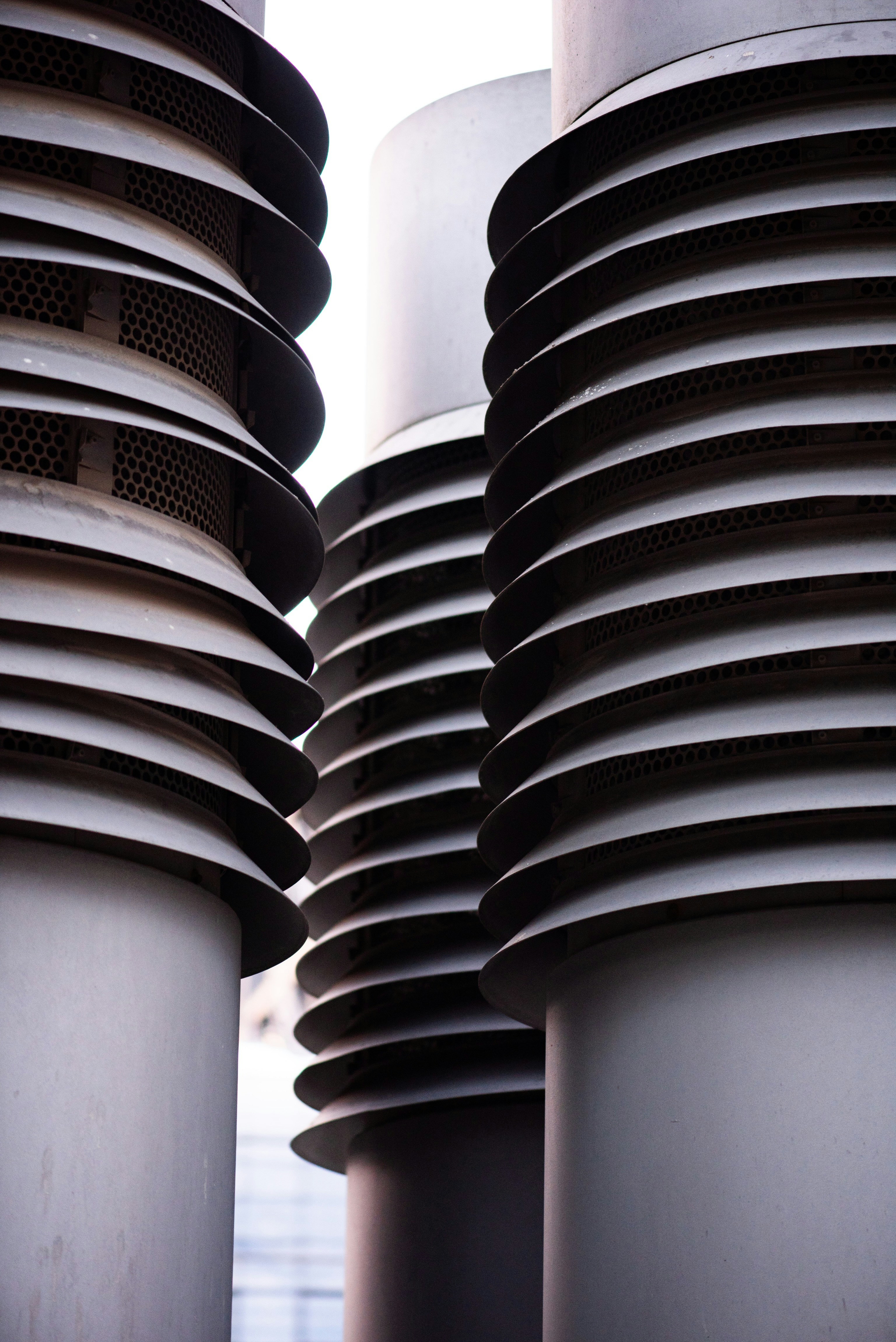
Ventilation in Simi Valley, CA
Proper ventilation in Simi Valley, CA is essential for comfortable, healthy homes. With hot, dry summers, occasional humid marine pushes, and increasing wildfire smoke events that drive residents to keep windows closed, homes here face unique indoor air quality challenges. Expert ventilation services for Simi Valley focus on whole-home assessments, mechanical ventilation solutions (ERV/HRV), exhaust and fresh-air system installations, ductwork upgrades, and ensuring energy-efficient performance while meeting local code and indoor air quality compliance.
Why ventilation matters in Simi Valley homes
- Wildfire smoke and seasonal particulate matter make relying on natural ventilation risky during parts of the year.
- Sealed, energy-efficient homes can trap pollutants, VOCs, and excess moisture if they lack balanced fresh-air exchange.
- Kitchens and bathrooms produce moisture and contaminants that, without proper exhaust, can lead to odors, mold, and structural damage.
- Proper ventilation improves comfort, reduces allergy triggers, and can lower HVAC runtime when done with energy recovery technologies.
Common ventilation issues in Simi Valley
- Inadequate fresh air intake because homeowners keep windows closed during smoke events.
- Undersized or poorly routed exhaust fans in kitchens and bathrooms, often vented into attics instead of outside.
- Leaky, uninsulated, or undersized ductwork causing uneven airflow and higher energy use.
- No mechanical ventilation strategy in homes that are otherwise tightly sealed.
- Filter decks and HVAC intakes that are not set up for high-efficiency filtration needed during high PM2.5 events.
- Ventilation systems installed without proper balancing, causing pressure differences that pull outdoor pollutants into the home.
Whole-home ventilation assessments: what we test and why
A thorough assessment determines the right solution for your Simi Valley home:
- Visual inspection of ductwork, attic penetrations, and exhaust terminations.
- Measurement of indoor pollutants: particulate matter (PM2.5), carbon dioxide (CO2), humidity, and basic VOC screening.
- Pressure diagnostics and airflow measurements at supply and return registers.
- Duct leakage testing (duct blaster) and static pressure checks on the HVAC system.
- Evaluation of existing exhaust fans, range hoods, and clothes dryer vents to confirm proper outside discharge.
The assessment produces a prioritized plan that balances IAQ goals, energy efficiency, and code compliance with local building requirements.
Mechanical ventilation options: ERV, HRV, and supply/exhaust systems
- Heat Recovery Ventilators (HRV): transfer sensible heat between incoming and outgoing air to precondition supply air. HRVs work well in drier conditions.
- Energy Recovery Ventilators (ERV): transfer both heat and moisture, helping maintain indoor humidity balance. ERVs are useful when seasonal humidity swings are a concern.
- Balanced systems (ERV/HRV) provide controlled fresh air while filtering particulates and reducing energy penalties.
- Supply-only ventilation introduces filtered outdoor air, useful in homes with central air distribution but must be managed to avoid pressurization.
- Exhaust-only ventilation uses targeted removal (bathrooms, kitchens) but can create negative pressure and backdrafting risks if not coordinated with makeup air.
In Simi Valley, the choice between ERV and HRV should account for seasonal humidity and wildfire smoke. When smoke events are frequent, integration with high-efficiency filtration and the ability to operate in recirculation mode become critical.
Exhaust and fresh-air system installations
- Kitchen range hoods: properly sized to the cooktop, externally vented, and rated to capture grease and smoke.
- Bathroom fans: sized to room volume and ducted to the exterior with insulated ducting where needed to prevent condensation.
- Central ERV/HRV units: installed with dedicated duct runs or connected to existing HVAC return/supply, with bypass and filtration strategies for smoke events.
- Whole-house fans: an option for evening ventilation when outdoor air is clean, but typically avoided during smoke episodes.
Installations focus on airtight exterior terminations, backdraft dampers, and noise control to ensure the system is both effective and acceptable for daily living.
Ductwork upgrades and optimization
- Sealing and insulating ducts reduces leakage and energy loss, crucial in Simi Valley where cooling loads can be significant.
- Re-sizing and re-routing rigid or flexible duct runs to reduce static pressure and improve airflow to remote rooms.
- Replacing compromised flexible ducts with properly supported and insulated ductwork to prevent sagging and debris accumulation.
- Balancing dampers and register adjustments to ensure even distribution of conditioned and fresh air.
Upgraded ductwork not only improves IAQ and comfort but also extends HVAC equipment life and can deliver noticeable energy savings.
Energy-efficiency and code compliance
- Modern ERV/HRV systems recover most of the energy used to condition incoming air, reducing HVAC runtime and energy bills.
- Demand-controlled ventilation (DCV) ties ventilation rates to occupancy (CO2 sensing), providing fresh air when needed and saving energy when spaces are empty.
- Integrated controls can switch systems to recirculation and high-efficiency filtration during wildfire smoke episodes.
- Installations must align with California building codes and local Ventura County requirements for ventilation and mechanical systems; proper documentation and commissioning ensure compliance and safer indoor environments.
Maintenance recommendations for lasting performance
- Replace HVAC filters according to use: at least every 3 months normally, more often during wildfire season or heavy dust. Use filters rated MERV 13 or higher when compatible with the system; HEPA is recommended for stand-alone purifiers.
- ERV/HRV cores should be cleaned annually and inspected for mold or insect intrusion.
- Check and clean kitchen and bathroom exhaust terminations yearly to prevent blockage.
- Inspect duct seals and insulation every 2 to 5 years, or after any attic work or roof repairs.
- Schedule a professional system check and re-balancing every 3 to 5 years, or sooner if occupants report odors, uneven airflow, or increased energy use.
Benefits you can expect
- Consistent fresh air and lower indoor pollutant levels, especially important during Simi Valley wildfire episodes.
- Reduced odors, lower humidity-related risks, and fewer allergy triggers.
- Improved HVAC efficiency and more even home comfort.
- Documented compliance with regional ventilation expectations and building standards.
- A more comfortable, healthier living environment that supports long-term home value.
Customer
Testimonials
Our customers consistently praise the exceptional service and professionalism of our team. They appreciate the honest advice, meticulous work, and the care taken to ensure their satisfaction.

.webp)
Service Areas
